Key Takeaways
Body contouring includes surgical and non-surgical approaches that reshape stubborn areas like the abdomen, flanks, thighs, arms, back and chin. These are areas that often resist diet and exercise.
These treatments refine your figure after weight loss, pregnancy or aging. They are not a way to achieve major weight loss.
A treatment plan should be matched to your goals, anatomy, health history and timeline.
Non-surgical options usually involve a short recovery. Surgical options create more noticeable change but need more healing time.
A consultation is the right place to learn which path suits your body.
If you’ve been working hard at the gym, watching your diet, and still have areas that won’t budge, you’re not alone. Many people in Queens, New York are frustrated by stubborn fat deposits around the abdomen, love handles, thighs or under the chin that don’t respond to healthy habits. Body contouring treatments offer a way to address these problem areas and achieve the contoured appearance you’ve been working toward.
Options range from non-surgical treatments with a short recovery to surgical procedures for more dramatic reshaping. Some people can only spare a lunch break. Others are ready for a more comprehensive change. Either way, it helps to understand how each approach works before you book a consultation.

What Is Body Contouring?
Body contouring, sometimes called body sculpting, is a group of medical and aesthetic treatments that reshape specific areas of the body. The goal isn’t weight loss in the traditional sense. These procedures reduce fat, tighten skin and improve your overall silhouette by targeting areas that don’t respond to diet and exercise alone.
Body contouring generally falls into three categories:
Treatment Type | How It Works | Suited For |
|---|---|---|
Fat Reduction | Reduces or removes fat cells using energy or surgical extraction | Stubborn fat pockets in the abdomen, flanks and thighs |
Skin Tightening | Stimulates collagen through energy, or removes excess skin surgically | Loose skin after weight loss or pregnancy |
Muscle Toning | Uses electromagnetic energy to trigger muscle contractions | A firmer, more toned appearance |
These treatments refine areas like the abdomen, love handles, thighs, upper arms, bra roll and under-chin region. They work alongside your healthy lifestyle, not as a replacement for it.
It matters to know the difference between fat reduction, skin tightening and muscle toning. A plan may combine several approaches. An in-person assessment is the way to find the safe and suitable options for your body type.
Why Consider Body Contouring in Queens, NY?
You eat well. You exercise. Yet the belly pouch from pregnancy, the “muffin top” around your waist or the inner thigh bulges won’t go away. Or you may have lost significant weight and now deal with sagging skin that makes you self-conscious despite your accomplishment.
These frustrations are very common, and they are exactly why body contouring treatments exist.
Body contouring can be timed around important events, such as summer at Rockaway Beach, a wedding, a reunion or post-baby milestones. Keep your expectations realistic. Visible changes usually emerge over weeks to months as your body heals and processes treated fat cells.
Improved Physical Comfort
Excess fat or loose skin around the abdomen, thighs and underarms isn’t only a cosmetic concern. Many people experience:
Chafing and rashes between the thighs during hot Queens summers
Difficulty finding comfortable waistbands and bras that fit properly
Pressure and irritation from skin folds during physical activity
Treatments that reduce volume and support firmer tissue can ease these daily discomforts. Some people say they feel lighter and move more easily after targeted fat reduction. Walking, commuting on the subway and exercising can feel more comfortable.
Skin Tightening and Smoother Contours
After weight loss, pregnancy or natural aging, skin can lose its elasticity. The result is a “crepey” or sagging look on the abdomen, arms or neck that exercise will not fix.
Fat reduction can be paired with skin tightening technologies or surgical tightening procedures. This creates smoother transitions and helps reduce visible rippling. Common areas for skin tightening include:
Upper arms (the “bat wing” concern)
Lower abdomen
Flanks and waist
Under the chin and neck
A note on expectations: treatments can noticeably improve firmness and contour, but they won’t turn back time completely. Your tissue won’t behave exactly as it did years ago, but it can look and feel firmer.
Body Confidence and Quality of Life
Many people find that body contouring helps them feel more at ease with their bodies. In everyday terms, that can mean:
Feeling confident in fitted jeans, work attire or a swimsuit
Enjoying social events without constantly adjusting clothing
Exercising at the gym without self-consciousness
Wearing what you want rather than what hides your body
The aim is natural-looking results that still feel like “you,” not a social media filter version of yourself.

Body Contouring Options
Body contouring covers a spectrum, from office-based non-surgical treatments to surgical procedures. A plan should be tailored to your goals, anatomy and lifestyle.
Before any option is recommended, a provider looks at several factors:
Skin quality and elasticity
Fat distribution and volume
Muscle tone
Overall health history
Your timeline and expectations
Some plans are staged over several visits. This shapes and refines contours gradually.
Non-Surgical Body Contouring Treatments
Non-surgical options use controlled energy to reduce fat, tighten skin or stimulate muscle contractions without incisions.
How these treatments work:
Radiofrequency (RF): Delivers controlled heat to the skin’s deeper layers to stimulate collagen production
Ultrasound energy: Uses acoustic waves aimed at fat cells while sparing surrounding tissue
Electromagnetic technology: Causes strong muscle contractions to tone and define underlying muscle
These treatments usually take several sessions spaced weeks apart. Improvement is gradual. Most people return to work, errands or their commute soon after a session.
Temporary warmth, tingling, muscle fatigue, mild redness, swelling or tenderness may occur during or after treatment. These usually resolve within hours to a few days.
Surgical Body Contouring and Advanced Liposuction
For more dramatic reshaping, surgical options include liposuction. Some techniques use energy-assisted tools to help loosen fat before removal for smoother sculpting.
Surgery can target several areas in one session, such as the abdomen, waist and back, depending on your health and goals.
The surgical experience typically includes:
Pre-operative consultation to finalize your treatment plan
Day of surgery: anesthesia, small incisions for fat removal and careful contouring
Recovery period: activity restrictions and compression garments
Follow-up visits: regular check-ins to monitor healing
Surgical body contouring is still not a weight loss method. It suits people near their goal weight who want sharper definition and smaller bulges in specific areas.
Combining Contouring with Wellness and Hormone Support
Body contouring doesn’t exist in isolation. Hormonal shifts can affect fat storage, metabolism and skin quality. Many people notice:
Post-pregnancy hormonal changes that affect where fat accumulates
Perimenopause or menopause shifts that increase abdominal fat storage
Fatigue and weight changes that make maintaining results difficult
Pairing contouring with nutrition guidance, activity and hormone support can help you keep a stable weight and stay happy with your new shape.
Who Is a Good Candidate for Body Contouring?
Body contouring suits people who meet certain criteria:
Good Candidate Characteristics | Not Ideal Candidates |
|---|---|
Generally healthy adults | Active smokers unwilling to quit |
Close to goal weight | Still losing large amounts of weight |
Specific stubborn fat areas | Expecting dramatic overnight changes |
Moderate to good skin elasticity | Pregnant or breastfeeding |
Realistic expectations | Uncontrolled medical conditions |
Good candidates have problem areas that don’t respond to diet and exercise, and they do not expect a complete body transformation. Results hold up when you maintain a healthy lifestyle. Significant weight gain after contouring can alter your new shape.
If you’re in Queens and wondering whether you qualify, a consultation can assess your skin elasticity, fat distribution and muscle tone. This shows whether surgical, non-surgical or combined options suit you.
When Body Contouring Is Not the Right Choice
Body contouring is not:
A treatment for obesity
A substitute for bariatric surgery
A solution for severe uncontrolled medical conditions
A quick fix for lifestyle-related concerns
If you are still losing a lot of weight, you may be advised to wait until it stabilizes. If you expect your body to look like heavily edited social media images, more counseling and time may help first.
What to Expect: Consultation, Treatment, and Recovery
Your first visit sets the foundation for everything that follows.
During a consultation:
A detailed conversation about your goals, medical history, medications and lifestyle
A physical examination of your problem areas
Measurements and photos, where appropriate, to plan and track changes
A discussion of which treatments, surgical, non-surgical or both, fit your situation
A personalized plan may include a single procedure or a staged approach. Recovery expectations, activity restrictions and possible side effects should be reviewed in plain language before anything is scheduled.
Non-Surgical Treatment Day and Aftercare
A typical non-surgical session follows this pattern:
Arrive a few minutes early
The treatment area is marked
Applicators or handpieces are positioned
Relax while the device works; you may feel warmth, firm pressure or rhythmic muscle contractions
The session ends and you get dressed
Most people head back to work, errands or public transit afterward. Stay hydrated and move gently. Mild redness, temporary swelling or tenderness can occur and usually fades within hours to a few days.
Surgical Procedure Day and Recovery Timeline
Surgical contouring involves more preparation and a longer recovery.
Day of surgery:
Check-in and final markings
Anesthesia
The procedure itself
Monitored recovery before going home with an adult escort
Recovery in general: the first days are spent resting at home in compression garments. Light activity returns gradually. Swelling decreases over the following weeks. Heavy lifting and intense workouts wait until you are cleared. Final contours become visible over several months as healing completes. Your exact timeline is set at your consultation and follow-up visits.
As with any surgery, there are risks. They can include swelling, bruising, contour irregularities or rippling, asymmetry, numbness and scarring. These should be reviewed with you before surgery.

Frequently Asked Questions
Is body contouring a good way to lose weight?
No. Body contouring, surgical or non-surgical, is designed for shaping and refining, not for major weight loss. It suits people who are already close to their goal weight. Stubborn fat deposits can be reduced, but the number on the scale may change only slightly.
How long does it take to see results from body contouring?
Non-surgical treatments usually show gradual changes over several weeks to a few months. Surgical procedures show a difference in shape sooner, but swelling means the final result is usually visible after several months. If you have a specific event in mind, plan ahead and allow time for recovery.
How long do body contouring results last?
Treated fat cells do not grow back, so results can be long-lasting. Remaining fat cells can still expand with weight gain, so keeping a stable weight through diet and exercise is important. Aging, hormones and lifestyle also change your body over time.
Is body contouring safe?
All medical procedures carry some risk. A careful review of your medical history, medications and prior surgeries helps lower that risk and guides the choice of technique. Temporary swelling, redness and tenderness are common. Surgery can also involve bruising, rippling, asymmetry, numbness and scarring.
How do I get started with body contouring?
Start with a consultation. During that visit, your goals are discussed, the target areas are examined, and a surgical or non-surgical plan is designed for your needs and timeline.
About Leva Medical
Leva Medical has offices in Queens (94-06 59th Ave, Suite E9, Elmhurst, NY 11373) and in Northport, Long Island (320 Laurel Rd, Northport, NY 11768).
Call (718) 699-9737 to book a consultation with our board-certified doctors.
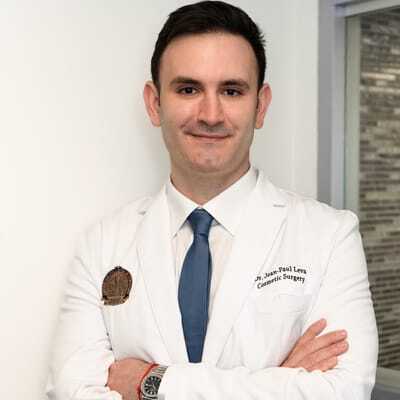
Dr. Jean-Paul Leva
Dr. Jean-Paul Leva, FACS is board certified in cosmetic and general surgery. Dr. Jean-Paul Leva, FACS obtained his Doctor of Osteopathic Medicine degree from ...