Eyelid surgery, also called blepharoplasty, can refresh tired-looking eyes by removing or repositioning excess skin and fat. One of the most common questions patients ask before surgery is what the scars will look like. This guide explains where blepharoplasty incisions are usually placed, how scars heal, and what you can do during recovery to help them fade.
Types of Blepharoplasty Surgery
Blepharoplasty can be performed on the upper eyelids, the lower eyelids, or both at the same time. The type of surgery affects where the incision is made and what kind of scar, if any, is left behind. Upper eyelid surgery usually addresses heavy or hooded skin that can make the eyes look tired. Lower eyelid surgery usually addresses under-eye bags, puffiness, and hollowing. Your surgeon will look at your eyelid anatomy, skin quality, and goals before recommending an approach. Many eyelid procedures can be done under local anesthesia, and the anesthesia plan is discussed at the consultation.
Upper Eyelid Surgery
In upper eyelid surgery, a small incision is made in the natural crease of the upper eyelid. Through this incision, excess skin and, when needed, a small amount of fat are removed. The incision is then closed carefully. Because the scar sits in the natural fold of the lid, it is usually well hidden when the eyes are open. In the first weeks the line may look pink or slightly raised, and it typically softens and fades over the following months.
Lower Eyelid Surgery
Lower eyelid surgery is often performed through an incision on the inside of the lower eyelid, known as the transconjunctival approach. Because the incision is inside the lid, there is no visible scar on the skin. Through this approach, fat can be removed or repositioned to smooth under-eye bags. In some cases, fat grafting is added to restore volume and improve contour in a hollow area, which can also help the appearance of mildly loose skin. When there is more excess skin, a small incision just below the lash line may be needed, and that scar is usually placed so it blends with the natural lines of the lower lid.
Preparing for the Surgery
Preparation starts with a consultation to discuss your goals, review your medical history, and learn about the procedure, including its risks. Following your surgeon's preoperative instructions is essential. These commonly include avoiding smoking, which slows healing and can make scars more noticeable, and avoiding alcohol in the days before surgery. You may also be asked to pause certain medications and supplements that increase bleeding. Arrange for someone to drive you home and help you during the first day or two.
Recovery and Healing
Good aftercare supports healing and helps keep blepharoplasty scars thin and discreet. Bruising usually lasts about 7 to 10 days, and many patients return to work after about one week. After surgery:
- Keep your head elevated for the first few days.
- Apply cold compresses or ice packs to minimize swelling and bruising.
- Avoid strenuous exercise and do not rub your eyes.
- Sleep face-up.
- Use prescribed ointments or scar creams as directed.
- Stay hydrated to support recovery.
- Do not apply any eye makeup until your surgeon says it is safe.
- Protect your eyes and incisions from the sun.
With careful technique and good aftercare, eyelid surgery scars are usually thin and well concealed. Every patient heals differently, though, and scarring is one of the risks of any surgery. Some people form thicker or more visible scars, and other possible issues include asymmetry, dry or irritated eyes, and, rarely, vision complications. Report any unusual pain, swelling, or change in vision to your surgeon right away.
Silicone Gel for Scar Healing
Silicone gel is a widely used product for scar management and is often recommended after surgery once the incision has closed. It helps keep the skin hydrated and can lead to softer, flatter scars over time. Your surgeon may recommend silicone gel as part of your aftercare. Use it only as directed, and keep it away from the eye itself.
Expected Results
Most patients notice a clear improvement in the appearance of the upper and lower eyelids once swelling settles. The goal is a natural, refreshed look: smoother eyelid skin, less puffiness, and a more open, rested appearance. Scars continue to mature for several months, and in most cases they become hard to notice.
Cost and Payment
At Leva Medical, upper eyelid surgery starts at $5,500 and lower eyelid surgery starts at $6,500.
The exact price is set at the consultation. Cosmetic procedures are self-pay. We offer financing through Cherry and Alphaeon, subject to credit approval. We also offer an in-house save-up plan with no credit check.
Contact a Surgeon
If you are considering eyelid surgery or have concerns about scarring, a consultation is the right place to ask questions. During the visit, the surgeon can explain the procedure, show where incisions would be placed for your eyelids, and help you understand the risks and the recovery. Being well informed helps you make a confident decision about your care.
Related Services
Frequently Asked Questions
What is Blepharoplasty?
Blepharoplasty, also known as eyelid surgery, is a cosmetic procedure that aims to rejuvenate and improve the appearance of the eyelids. It can be performed on the upper eyelids, the lower eyelids, or both. The procedure can correct sagging eyelids, reduce fatty pouches beneath the eyes, and remove extra skin from the upper eyelids that may contribute to a tired appearance.
What is the Recovery Time for Eyelid Surgery?
Recovery varies among individuals. Bruising usually lasts about 7 to 10 days, and many patients return to work after about one week. During the first few days, it is important to rest, avoid smoking, and avoid activities that strain the eyes or body. Wearing sunglasses protects the eyes from sun and wind. Following your surgeon's post-operative instructions helps the healing process and lowers the risk of complications.
How Long Do Eyelid Surgery Results Last?
Blepharoplasty results are long-lasting, but the natural aging process continues. Genetics, sun exposure, and lifestyle choices affect how long the results last. Many men and women enjoy their results for many years, with less puffiness and fewer under-eye bags.
How Can I Minimize Scarring After Eyelid Surgery?
Follow your surgeon's post-operative care instructions carefully. Upper eyelid incisions are typically hidden in the natural crease, and many lower eyelid procedures use an incision inside the lid. Avoid sun exposure and use sunscreen on healed incisions, since sun can make scars more visible. Silicone gel or other products your surgeon recommends can help, and avoiding smoking supports healing. With good care, eyelid scars usually fade and are easily concealed, although some patients heal with more visible scars.
How Much Does Eyelid Surgery Cost?
The cost section above gives the starting price, and the exact price is confirmed at the consultation.
About Leva Medical
Leva Medical has offices in Queens (94-06 59th Ave, Suite E9, Elmhurst, NY 11373) and in Northport, Long Island (320 Laurel Rd, Northport, NY 11768).
Call (718) 699-9737 to book a consultation with a board-certified surgeon.
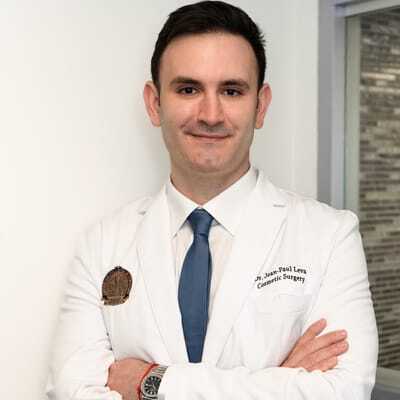
Dr. Jean-Paul Leva
Dr. Jean-Paul Leva, FACS is board certified in cosmetic and general surgery. Dr. Jean-Paul Leva, FACS obtained his Doctor of Osteopathic Medicine degree from ...