Key Takeaways
Upper eyelid surgery typically shows visible improvement within 1-3 months, with most patients seeing their final results emerge as scars mature over 6-12 months.
Peak swelling occurs within the first 1-3 days post-surgery, and most people return to desk jobs 7 to 10 days after the procedure.
Before and after pictures of upper eyelid surgery typically reveal a more open and alert appearance, with increased visibility of the iris and improved symmetry between the eyes.
Satisfaction rates for upper blepharoplasty consistently exceed 95%, with long-lasting results that remain visible despite continued aging.
Men and women require different surgical approaches—male patients typically need a more conservative technique to preserve masculine features, while female patients often desire a more defined crease.
If you’ve been researching how to address droopy eyelids, heavy upper eyelids, or a perpetually tired appearance, you’ve likely come across countless before and after photos. These images tell a compelling story, but they don’t always explain the journey between those two snapshots.
Upper eyelid surgery, or upper blepharoplasty, involves the removal of excess skin, muscle, and sometimes fat from the upper eyelids to address drooping eyelids and improve both function and aesthetics. Understanding what happens before, during, and after this procedure helps set realistic expectations and prepares you for the transformation ahead.
This guide breaks down everything from pre-operative preparation to long-term healing, complete with real patient examples and the timeline you can expect.
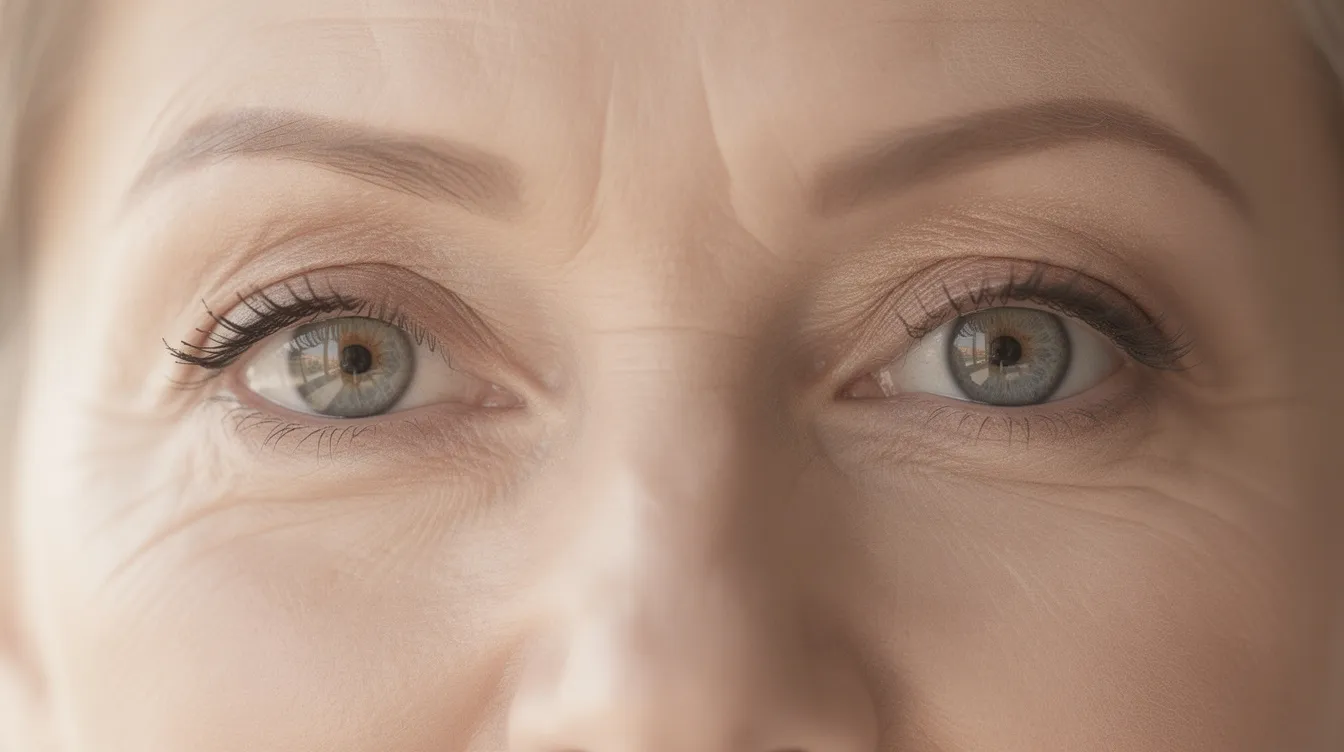
What Is Upper Eyelid Surgery?
Upper eyelid blepharoplasty is a surgical procedure designed to remove redundant skin, reposition the orbicularis oculi muscle, and sometimes address fat pads that contribute to a heavy, hooded appearance. The surgery targets conditions like ptosis (drooping eyelids), hooding, and heaviness that can impair vision or create a fatigued look.
The Technical Process
The procedure typically lasts 45-90 minutes under local anesthesia with sedation or general anesthesia. Your surgeon makes incisions hidden within the natural eyelid crease, excising 5-15mm of excess skin based on pre-operative pinch tests. Sutures are removed after approximately 7 days, with swelling and bruising resolving in 1-2 weeks for most patients.
Surgical Techniques
Several approaches exist depending on your specific concerns:
Technique | Best For | Key Features |
|---|---|---|
Standard Transcutaneous | Moderate to severe redundant skin | Incision in eyelid crease, removes skin and muscle |
Pinch Blepharoplasty | Minimal skin excess | Conservative approach, quicker recovery |
Skin-Muscle-Fat Technique | Significant puffiness | Addresses all three components for dramatic changes |
Ptosis Repair Combined | Droopy eyelids with weak lift | Reinserts the levator muscle for enhanced elevation |
The skin-muscle-fat technique in upper eyelid surgery addresses all three components of the eyelid, often resulting in the most dramatic changes, especially for patients with significant puffiness from fat deposits.
Ptosis surgery can be performed alongside upper eyelid blepharoplasty to repair droopy eyelids by reinserting the levator muscle, which elevates the eyelid, enhancing both comfort and cosmetic appearance.
Why Patients Choose Upper Eyelid Surgery
The motivations for upper lid blepharoplasty extend beyond simple vanity. Understanding why patients seek this procedure helps clarify whether it aligns with your own goals.
Aesthetic Concerns
Many patients choose upper eyelid surgery to address the appearance of looking perpetually tired, which can be exacerbated by heavy eyelids that cast shadows on the eyes. When excess skin drapes over the lash line, visible eyelid height can reduce to less than 10mm—well below the normal 11-13mm range.
Common aesthetic complaints include:
A heavy, tired look despite adequate sleep
Difficulty applying makeup due to skin folding
Reduced visible eyelid platform
Eye bags and fat bags creating fullness
Asymmetry between the upper and lower eyelid areas
Functional Motivations
Functional motivations for upper eyelid surgery often include the improvement of peripheral vision, as sagging skin can obstruct the upper field of vision. Pre-operative visual field testing frequently shows 20-40% field loss in patients with significant hooding.
Patients with significant obstruction may experience:
Chronic eye irritation from skin rubbing against lashes
Headaches from frontalis muscle strain (compensating for droopy lids)
Need to tilt the head back to see clearly
Difficulty driving or reading
Genetic and Age-Related Factors
Patients with genetic predispositions to heavy eyelids may seek upper eyelid surgery earlier in life to prevent vision problems and enhance their appearance before significant drooping occurs. While most procedures occur in patients aged 50-70, some individuals in their 40s pursue surgery due to hereditary factors.
Self-confidence is a significant motivation for many patients, as they often feel that a refreshed appearance aligns better with their inner vitality and energy.
Gender Differences in Upper Eyelid Surgery Approach
One of the most overlooked aspects of eyelid surgery is how significantly gender influences both technique and outcomes.
Male Patients
Men typically require a more conservative approach during upper eyelid surgery to maintain masculine features, while women often desire a more defined crease. The aesthetic goals for male patients undergoing upper eyelid surgery often focus on preserving a flatter, less defined crease.
Key considerations for male patients:
Preserving adequate brow position (avoiding a feminized appearance)
Maintaining natural fullness in the upper lid
Conservative skin removal to prevent hollow appearance
Often combining with direct brow lift for comprehensive results
A 74-year-old male case demonstrates this approach: before photos revealed severe upper eyelid ptosis blocking the upper visual field, compounded by brow descent. Following upper eyelid ptosis repair and direct brow lift, images revealed expanded visual fields, reduced skin redundancy, and a more masculine, open gaze.
Female Patients
Female patients usually seek a more pronounced eyelid crease with specific aesthetic targets:
Enhanced tarsal platform show (3-5mm aesthetically)
More defined crease position
Often combining with lower lid blepharoplasty procedures for comprehensive rejuvenation
Preservation of ethnic features when relevant
Gender differences in eyelid surgery outcomes can be influenced by the anatomical structure of the eyelids, with men and women having different fat distribution and skin elasticity. Women typically have thinner skin and less dense brow tissue, affecting both healing and final outcomes.
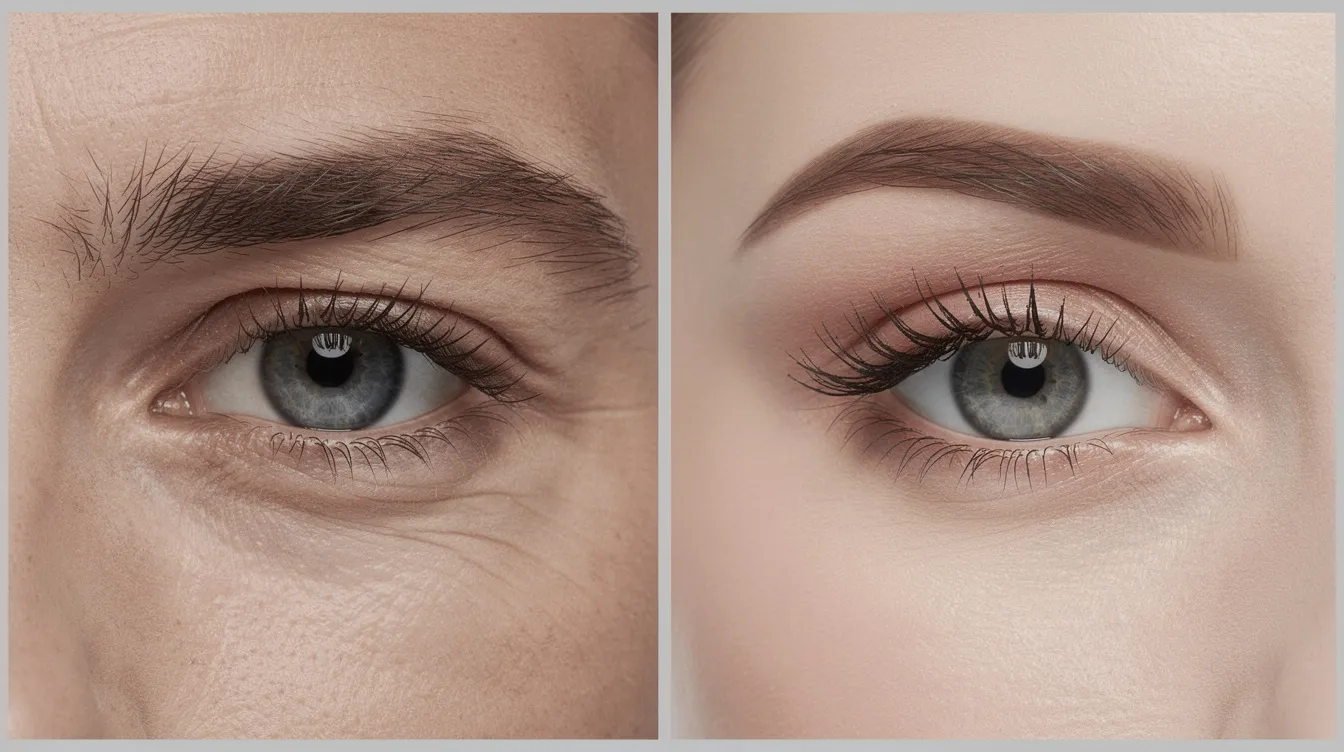
Before Surgery: Preparation and Evaluation
The journey to your transformed appearance begins well before the operating room. Understanding pre-operative requirements helps ensure optimal results.
Medical Evaluation
A physical exam, vision test, and eyelid photography are typical for determining if eyelid surgery is for medical necessity or cosmetics. Your surgeon will assess:
Baseline visual acuity and peripheral vision
Eyelid crease position and symmetry
Tear production (Schirmer test)
Levator muscle function
Brow position and forehead dynamics
If visual field testing reveals greater than 30% obstruction, your procedure may qualify for Medicare or insurance coverage.
Pre-Operative Instructions
Patients are advised to stop smoking and certain medications, such as blood thinners, before eyelid surgery. Standard preparation includes:
Timeframe | Action |
|---|---|
2-4 weeks before | Stop smoking completely |
2 weeks before | Discontinue blood thinners (with physician approval) |
1 week before | Avoid aspirin, ibuprofen, vitamin E |
Day before | Prepare ice packs and recovery supplies |
Day of surgery | Arrive with clean face, no makeup |
What Before Photos Reveal
Pre-operative documentation captures specific concerns that surgery will address. Common findings include:
Pronounced upper and lower eyelid heaviness obscuring the eyelid-cheek transition
Visible asymmetry creating a perpetually fatigued expression
Prominent brow fat pads contributing to pseudoptosis
Skin draping over the lash line
Under-eye bags in patients considering combined upper and lower blepharoplasty
A 73-year-old female patient’s pre-operative photos showed precisely these features—pronounced upper and lower eyelid heaviness that created a tired, bothered appearance despite her actual energy levels.
The Healing Timeline: Week by Week
Understanding what to expect during recovery helps you plan appropriately and reduces anxiety about normal healing progression.
Days 1-3: Peak Swelling Phase
The healing timeline after upper eyelid surgery typically follows a pattern where peak swelling occurs within the first 1-3 days post-surgery, leading to noticeable bruising and swelling that begins to resolve by the end of the first week.
During this critical period:
Ice packs and head elevation are crucial in the first 24–48 hours post-surgery to reduce swelling
Eyes may be temporarily difficult to close completely
Bruising appears dark purple
Vision may be slightly blurry from ointment and swelling
Pain is typically mild, managed with prescribed medication
The First Week: Initial Recovery
Stitches from eyelid surgery are usually removed after roughly 7 days. During this first week:
Bruising often shifts from purple to yellow or green as it fades post-surgery
Swelling decreases significantly each day
Most patients transition from pain medication to over-the-counter relief
Light activities can resume
Avoid getting incisions wet
Most people return to desk jobs 7 to 10 days after eyelid surgery, though you may still have visible bruising that can be concealed with makeup.

One Month: Initial Results Emerge
By the end of the first month after upper eyelid surgery, most patients will see their initial results emerge, with minimal swelling remaining and the new eyelid contour becoming visible.
At this stage:
Subtle residual swelling may remain
Scars are pink but healing well
Most patients feel comfortable in social situations
Makeup can be applied normally
Asymmetry from differential healing may still be present
Three Months: Refinement Phase
Three months post-surgery, many patients experience a refinement phase where the healing is nearly complete, and the final shape of the eyelids is established, with scars appearing pinkish.
Key milestones at three months:
Near-complete resolution of swelling
Natural looking results become apparent
Scar maturation continues
Most patients report feeling “back to normal”
Heavy lifting or high-impact workouts should be avoided for 3 to 4 weeks after eyelid surgery, but by three months, all activity restrictions are typically lifted.
Six to Twelve Months: Final Results
The final phase of healing after upper eyelid surgery involves scar maturation, which can take 6-12 months, during which time the scars fade to white or become nearly invisible.
This extended healing period includes:
Complete scar maturation within the natural eyelid crease
Final symmetry established
Any residual hollowness or irregularity typically resolved
Full assessment of surgical outcome possible
Before and After: Real Patient Results
Examining documented case studies provides realistic expectations for your own transformation.
Case Study 1: 73-Year-Old Female
Before: Pronounced upper and lower eyelid heaviness obscuring the eyelid-cheek transition. The patient appeared perpetually fatigued with significant hooding affecting both appearance and function.
Procedure: Combined upper and lower blepharoplasty
After (Two Years): Photos displayed a smoother eyelid-cheek junction, eliminated heaviness, and a rested appearance without over-correction or hollowness. The transformation demonstrated natural looking results that aligned with her age while appearing refreshed and rejuvenated.
Case Study 2: 43-Year-Old Female
Before: Bags under her eyes and upper eyelid fullness, with pre-op images highlighting asymmetry and a bothered, fatigued expression despite being well-rested.
Procedure: Transconjunctival lower blepharoplasty combined with upper blepharoplasty
After (Three Months): Complete resolution of under-eye fat bags, enhanced eye shape, and natural rejuvenation. The patient reported not only looking more refreshed but experiencing improved confidence in professional settings.
Case Study 3: 40s Female with Ethnic Considerations
Before: Heavy upper eyelids with concern about maintaining ethnic features during correction.
Procedure: Upper blepharoplasty with preservation of epicanthic folds
After (Six Months): Lifted upper lids with preserved ethnic features, creating a youthful appearance without westernizing the eye shape. This case demonstrates the importance of surgeon expertise in achieving subtle yet significant improvements.
Case Study 4: 74-Year-Old Male
Before: Severe upper eyelid ptosis blocking the upper visual field, compounded by brow descent and significant functional impairment.
Procedure: Upper eyelid surgery, ptosis repair, and direct brow lift
After: Expanded visual fields (improvement of 30-50% in peripheral vision), reduced skin redundancy, and a more masculine, open gaze. The chin-to-eyebrow proportion was restored, creating a more alert appearance.
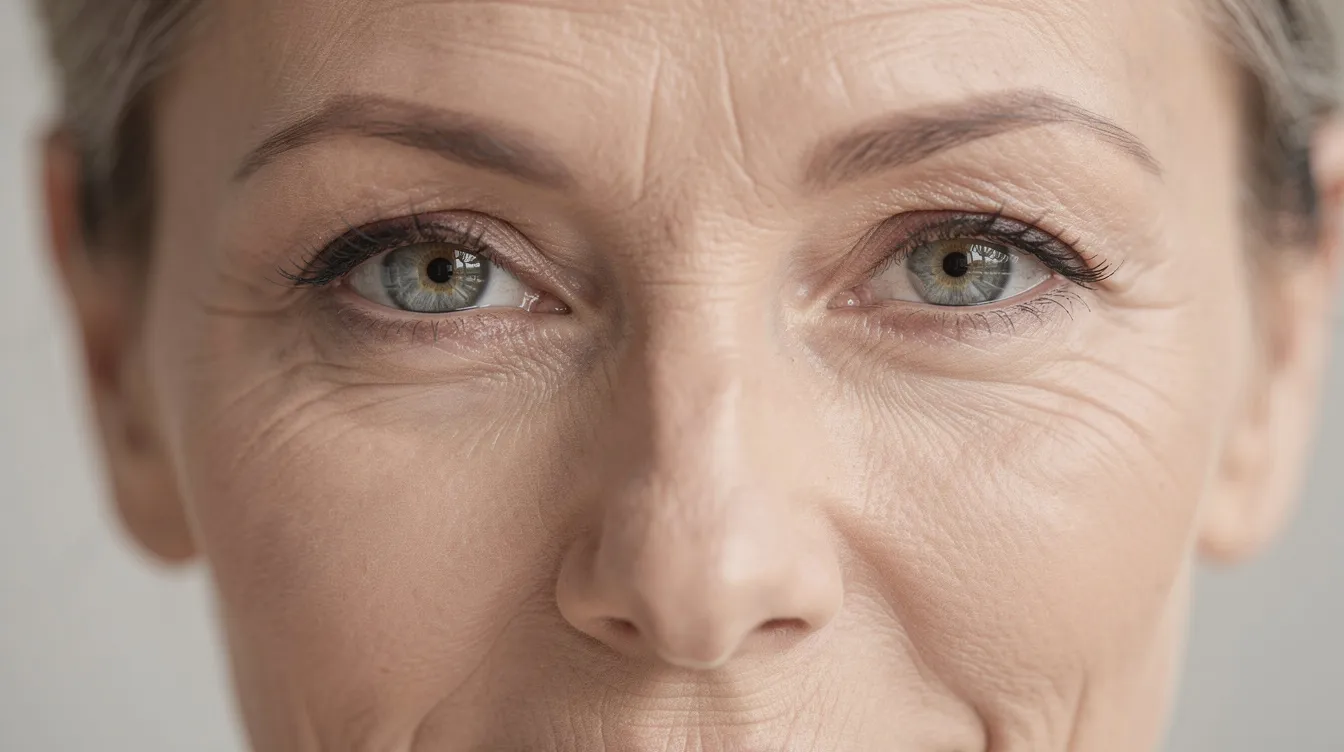
What Before and After Pictures Reveal
Before and after pictures of upper eyelid surgery typically reveal a more open and alert appearance, with increased visibility of the iris and improved symmetry between the eyes. Most patients see visible improvement in eyelid contour and reduction of excess skin within 1-3 months after upper eyelid surgery, with satisfaction rates consistently high at above 95%.
Patients often report not just looking more refreshed after upper eyelid surgery but also experiencing improved peripheral vision when significant upper eyelid drooping is corrected.
Comparing Surgical Options: Isolated vs. Combined Procedures
Deciding between standalone upper blepharoplasty and combined procedures requires understanding the advantages and limitations of each approach.
Isolated Upper Eyelid Surgery
Advantages:
Quicker recovery (7-10 days downtime)
Lower cost
Targets hooding effectively (85% vision improvement)
Simpler procedure with fewer variables
Ideal for patients with concerns limited to the upper lid
Limitations:
Persistent lower bags remain unaddressed
May not fully rejuvenate periorbital area
Potential mismatch between refreshed upper lids and aged lower lids
Combined Upper and Lower Blepharoplasty
Advantages:
Comprehensive periorbital rejuvenation
Smoother eyelid-cheek transition
Addresses both upper and lower concerns simultaneously
Single recovery period for multiple improvements
The 73-year-old female case demonstrated how dual surgery smoothed transitions comprehensively, addressing both the hooding above and bags below in one recovery period.
Adding Complementary Procedures
Some patients benefit from additional interventions:
Procedure | Purpose | Typical Candidates |
|---|---|---|
Brow lift | Elevates descended brows | Significant brow ptosis |
Direct brow lift | Masculine brow elevation | Male patients with brow descent |
Chemical peel | Skin texture improvement | Fine lines around eyes |
Botox | Dynamic wrinkle reduction | Crow’s feet concerns |
Fillers | Volume restoration | Hollowness or cheek descent |
Chin augmentation | Facial balance | Patients seeking overall facial harmony |
Fat repositioning or browpexy is incorporated in 20-30% of cases to avoid a skeletal appearance, particularly in patients with significant volume loss.
Risks, Limitations, and Realistic Expectations
While satisfaction rates exceed 95%, understanding potential complications helps you make an informed decision.
Potential Risks
Complications occur in fewer than 4% of procedures performed by board-certified surgeons:
Hematoma: ~1% of cases
Infection: ~0.5% of cases
Asymmetry requiring revision: 2-5% of cases
Lagophthalmos (incomplete closure): 1-3% of cases
Dry eyes: Temporary in most cases
Ectropion: Rare with upper lid surgery
More serious complications like retinal detachment (0.1%) are extremely rare but require pre-operative ophthalmology clearance in patients with risk factors.
Limitations to Understand
Surgery has boundaries that waiting and hoping won’t change:
Upper blepharoplasty doesn’t lift brows—adjuncts may be needed
Scars are hidden but present (fading over 6 months)
Dry eye patients (Schirmer test <5mm) may be contraindicated
Results cannot stop future aging, though improvements remain visible
Underlying muscle weakness (ptosis) requires specific repair beyond skin removal
Setting Realistic Expectations
The healing timeline for upper eyelid surgery shows that initial results can be seen as early as one month post-surgery, with continued refinement occurring up to six months or longer. Your final outcome isn’t visible immediately—patience during healing is essential.
Factors affecting your individual results:
Age and skin elasticity
Smoking history
Sun damage
Underlying medical conditions
Adherence to post-operative instructions
Surgeon experience and technique
Long-Term Results: What Lasts
Understanding the longevity of your investment helps clarify the value of proceeding with surgery.
Permanence of Results
Long-lasting results from eyelid rejuvenation improvements are generally permanent despite continued aging. While your face continues to age naturally, the improvements from surgery remain visible. The removed skin doesn’t grow back, and the repositioned structures maintain their corrected position.
Results from eyelid rejuvenation typically include a younger, more rested, and refreshed appearance of the eyes. Long-term tracking in oculoplastic galleries shows 80-90% satisfaction rates extending 5-10 years post-procedure.
Maintaining Your Results
Protect your investment with:
Consistent sun protection (sunglasses, SPF)
Quality skincare routine
Avoiding smoking
Maintaining healthy weight
Considering maintenance treatments (botox, fillers) as desired
Some patients choose revision surgery after 10-15 years if new skin laxity develops, though many find their initial results sufficiently lasting.
Making Your Decision
Upper eyelid surgery represents one of the most satisfying procedures in facial rejuvenation, with over 200,000 blepharoplasties performed annually in the US—approximately 60% addressing the upper lids. The average patient age ranges from 50-70, with women comprising 70% of patients.
The transformation from bothered and fatigued to refreshed and alert can profoundly impact both function and confidence. Whether your primary concerns involve vision improvement, aesthetic enhancement, or both, understanding the complete journey—from pre-operative evaluation through final healing—prepares you for success.
Contact a board-certified oculoplastic surgeon or facial plastic surgeon to review your specific concerns. Request to see before and after photos of patients with similar anatomy and goals. With proper planning, realistic expectations, and an experienced surgeon, the reflection waiting for you in those “after” photos may exceed what you imagined.
Frequently Asked Questions
How long does scarring from upper eyelid surgery remain visible?
Scars from upper blepharoplasty are strategically placed within the natural eyelid crease, making them virtually invisible once healed. Initially appearing pink during the first three months, scars continue to mature over 6-12 months, eventually fading to white or becoming nearly undetectable. Most patients can wear eye makeup to conceal any residual pinkness after the first few weeks of healing.
Can upper eyelid surgery be performed with non-surgical alternatives first?
Non-surgical options like fillers or Ultherapy can provide temporary improvements lasting 6-12 months, but they cannot remove excess skin or address significant ptosis. These treatments work best for mild concerns or patients not ready for surgery. However, for severe hooding obstructing vision or substantial skin redundancy, surgery remains the preferred approach per expert consensus, as non-surgical alternatives simply cannot replicate the permanent reduction achieved through tissue removal.
What’s the best age to consider upper eyelid surgery?
While most patients undergo upper blepharoplasty between ages 50-70, the ideal timing depends on your individual anatomy and concerns rather than a specific age. Patients with genetic predispositions may benefit from earlier intervention in their 40s, while others with minimal hereditary factors may not need surgery until later. The key indicators are functional impairment (vision obstruction) or aesthetic concerns (tired appearance) that significantly affect quality of life—not calendar age.
Will insurance cover upper eyelid surgery?
Insurance coverage depends on medical necessity documentation. If visual field perimetry shows greater than 30% field loss from upper eyelid hooding, many Medicare and private insurance plans will cover the functional portion of the procedure. Purely cosmetic concerns without documented visual impairment typically aren’t covered. Your surgeon’s office can help navigate the documentation and pre-authorization process if you believe you have functional indications.
How do I choose between upper eyelid surgery alone or combined procedures?
The decision depends on your specific concerns and goals. If hooding is your primary issue without lower lid bags or significant brow descent, isolated upper blepharoplasty offers effective correction with shorter recovery. However, if you’re bothered by both upper and lower lid changes, combining procedures addresses multiple areas in a single recovery period. During consultation, your surgeon can help you understand which areas contribute to your overall appearance and recommend the most appropriate approach for natural, harmonious results.
Learn more: Eyelid Surgery at Leva Medical

-2.jpg?width=2000&height=2000&name=Copy%20of%20YouTube%20Thumbnail%20-%20Life-Changing%20Cosmetic%20Surgery!%20(Document)-2.jpg)


