If you've recently undergone a brazilian butt lift or you're researching one, you've probably stumbled across the term "fluffing stage" and wondered what it actually means. This guide breaks down the full bbl recovery timeline week by week, explains the science behind fluffing, and gives you the aftercare playbook to protect your results.
Learn more: Body Contouring at Leva Medical
Overview of the Brazilian Butt Lift Procedure
A brazilian butt lift procedure combines liposuction from donor sites like the abdomen, flanks, thighs, and back with careful reinjection of purified fat into the buttocks. During bbl surgery, harvested fat cells are separated from blood, oil, and debris, then placed in small parcels into the deep subcutaneous tissue of the butt cheeks to maximize contact with surrounding tissue.
Because this grafted fat is transplanted without its own blood supply, the newly injected fat cells must establish new blood vessels through a process called neovascularization. This is why fat grafting demands specific post op care. A lapse during this vulnerable window, whether from too much pressure, poor nutrition, or premature activity, can significantly reduce how much transferred fat survives long-term. Approximately 40% of transferred fat may not survive post-surgery, making aftercare non-negotiable.
What Is the BBL Fluffing Stage?
The bbl fluffing stage is not a clinical term. It's patient-community slang for the recovery phase when swelling subsides, transferred fat cells settle into their new home, and your buttocks transition from feeling hard and swollen to softer and more natural. The fluff period refers to this gradual transformation where the seemingly magical fluffing phenomenon replaces early stiffness with defined curves and a rounder silhouette.
Biologically, the fluffing process corresponds to the tissue remodeling and angiogenesis phase. Fat cells must establish a blood supply to define final volume during fluffing, which begins as early as 3 to 7 days post-graft but continues for months. The fluffing stage begins with tissue integrating and the skin stretching around 6 to 8 weeks post-surgery, with active changes continuing through months 3 to 6. Fluffing can last until 6 months after the procedure, and final stabilization often takes 6 to 12 months.
Signs Your BBL Is Fluffing
How do you know the fluffing phase has started? Look for these indicators:
Swelling decreases noticeably, especially in the upper buttock region and donor sites
Tissue texture softens from a "drum-tight" feel to something more natural and malleable, as initial firmness and tightness fade due to skin relaxation
Increased projection or roundness becomes visible as the skin relaxes and contours refine
Visible changes in photographs appear between weeks 6 and 12, even when volume stays stable or slightly decreases
During fluffing, the transferred fat becomes softer and rounder, and many patients report that clothes begin fitting more naturally during this window.
Complete Timeline: BBL Recovery Timeline
Every recovery process is different. Age, BMI, skin elasticity, vascular health, and genetics all affect how quickly you progress. The complete timeline below is a general framework; your surgeon's instructions always take priority.
Immediate Aftermath (Day 0–7) - BBL Surgery Phase
Pain and swelling peak in this phase. You'll be placed in a compression garment immediately after surgery, covering both the treated area and donor sites. Pain is managed via prescribed medications, and your surgeon may insert drains for 24 to 48 hours depending on surgical volume. Compression garments should be worn 24/7 for the first week. Early ambulation with short walks is encouraged within hours to reduce DVT risk and stimulate blood flow.
Week One: Initial BBL Recovery
The first week centers on one rule: avoid sitting directly on your buttocks for at least two weeks. Any sitting during this period must be done using a bbl pillow, which shifts pressure to your thighs. Sleeping remains on your stomach or side. Swelling peaks around day 3 to 5, and bruising is common across donor sites. Light walking inside your home every few hours supports circulation. Most surgeons schedule a follow up appointment between days 3 and 7.
Weeks Two to Three: Early Healing
During early recovery, swelling begins to gradually resolve and bruising fades. Some patients start tolerating very short sitting sessions with pillow support, though extended upright sitting is still discouraged. The compression garment stays on continuously. Light movement becomes more comfortable, and follow up appointments typically check incision sites, skin health, and graft areas.
Weeks Four to Six: Transition Toward Fluffing
This window brings significantly more mobility. Many patients can take short outings and handle light walking with minimal discomfort. The buttocks may still feel firm, with residual swelling present. Light exercise or non-glute-focused light cardio is typically permitted around weeks 4 to 6 depending on surgeon clearance. The compression garment remains essential, often worn 23 hours per day early in this phase.
Weeks Six to Eight: The BBL Fluffing Stage
This is the core fluff period. Most patients enter the fluffing stage at 6 to 8 weeks, and patients notice clear texture softening and shape refinement during this window. The newly inserted fat has likely developed adequate blood flow through neovascularization, reducing vulnerability to mild pressure. Post-surgical swelling continues to resolve during the fluffing stage, and the feel shifts from hard and tight to something more natural.
Fluffing is when swelling decreases and skin relaxes. Many surgeons allow more sitting during this period, though sustained pressure on hard surfaces should still be avoided. You may begin transitioning from heavy compression to lighter garments or nighttime-only wear.
Months Three to Six: Settling and Final BBL Results
After about three months, most active bbl fluffing has occurred. Fat survival largely stabilizes in this window. Under optimal conditions, fat graft survival rates range from 50 to 70%, meaning about 30-50% of transferred fat may not survive initially. The remaining fat that has integrated becomes semi-permanent. Full glute workouts are often cleared toward the end of this window. Most visible final results emerge during this phase.
Month Six and Beyond: Long-Term BBL Results
From six months onward, bbl results are considered largely stable. The final shape is apparent, and fat that survived behaves like native tissue, responding to weight fluctuations and aging. Weight stability matters here: significant weight loss can reduce volume, while weight gain may increase it. Touch-ups or revisions may be considered if asymmetry or underfill persists. Final results from a BBL can take 6 to 12 months to fully materialize.
BBL Compression Garments and Compression Garment Guidance
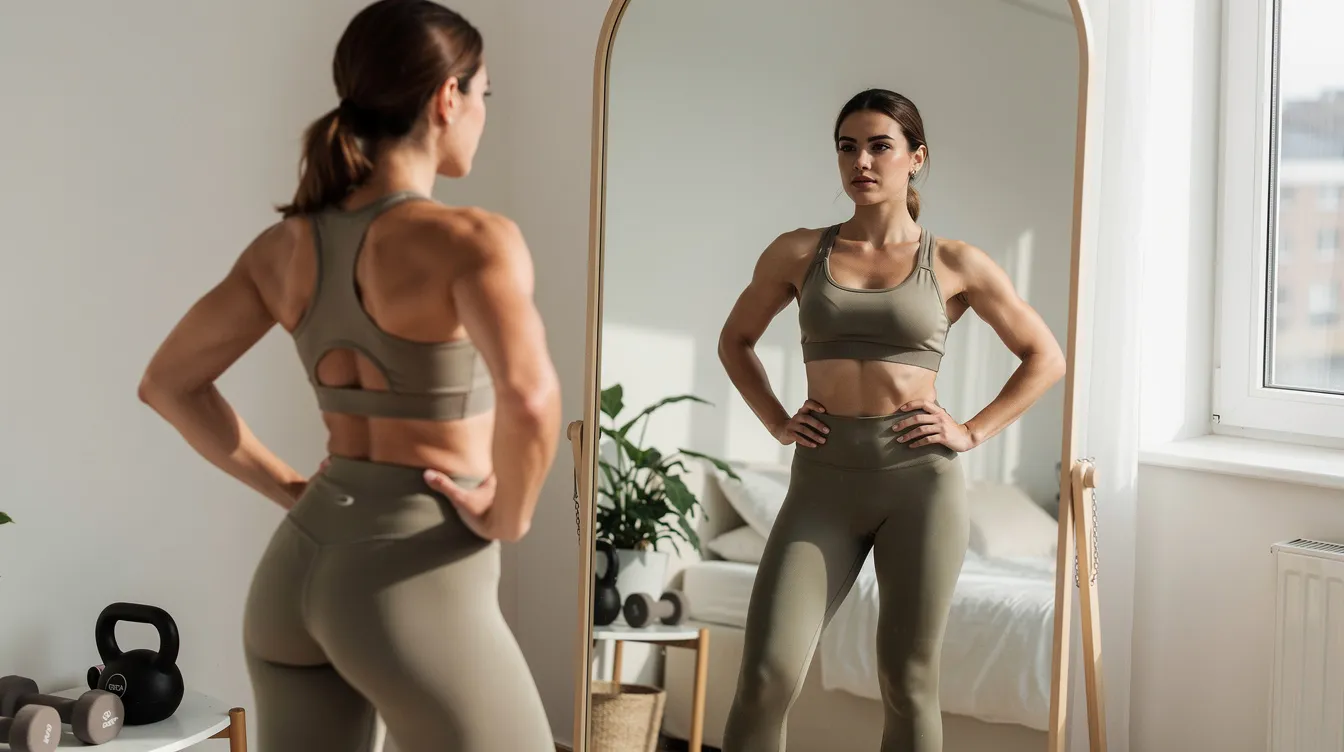
Bbl compression garments reduce swelling after brazilian butt lift surgery and support the treated area during healing. Proper fit of compression garments is crucial for effectiveness: the garment should compress donor areas fully while avoiding excessive pressure on the grafted fat zones.
Timeframe | Garment Protocol |
|---|---|
Week 1 | Wear compression garments 24/7 except for brief hygiene |
Weeks 2–6 | Continue near-continuous wear (23 hrs/day) |
Weeks 6–8 | Begin transitioning to lighter garments per surgeon guidance |
Months 3+ | Patients should wear compression garments for at least three months post-op |
Worn out compression garments decrease support and may alter results. Have backup garments in multiple sizes on hand, as your body will change shape throughout the recovery timeline.
Maximizing Fluffing: Aftercare and Lifestyle
Care during fluffing can influence long-term results and fat graft survival. Here are the non-negotiables:
Avoid direct pressure on the newly enhanced booty, especially in the first few weeks
Follow surgeon clearance before any exercise beyond light movement
Avoid smoking to enhance blood flow and healing; tobacco impairs oxygenation and can kill newly injected fat
Attend all scheduled follow up appointments for monitoring, garment adjustments, and lymphatic massage referrals if recommended
Nutrition: "Feeding the Fat"
Your diet directly impacts fat cell survival. Think of nutrition as feeding the grafted fat so it integrates and thrives.
Aim for 1 gram of protein per pound of body weight daily to support tissue repair
Maintain steady caloric intake; aggressive dieting or weight loss during recovery can trigger resorption of extra fat cells
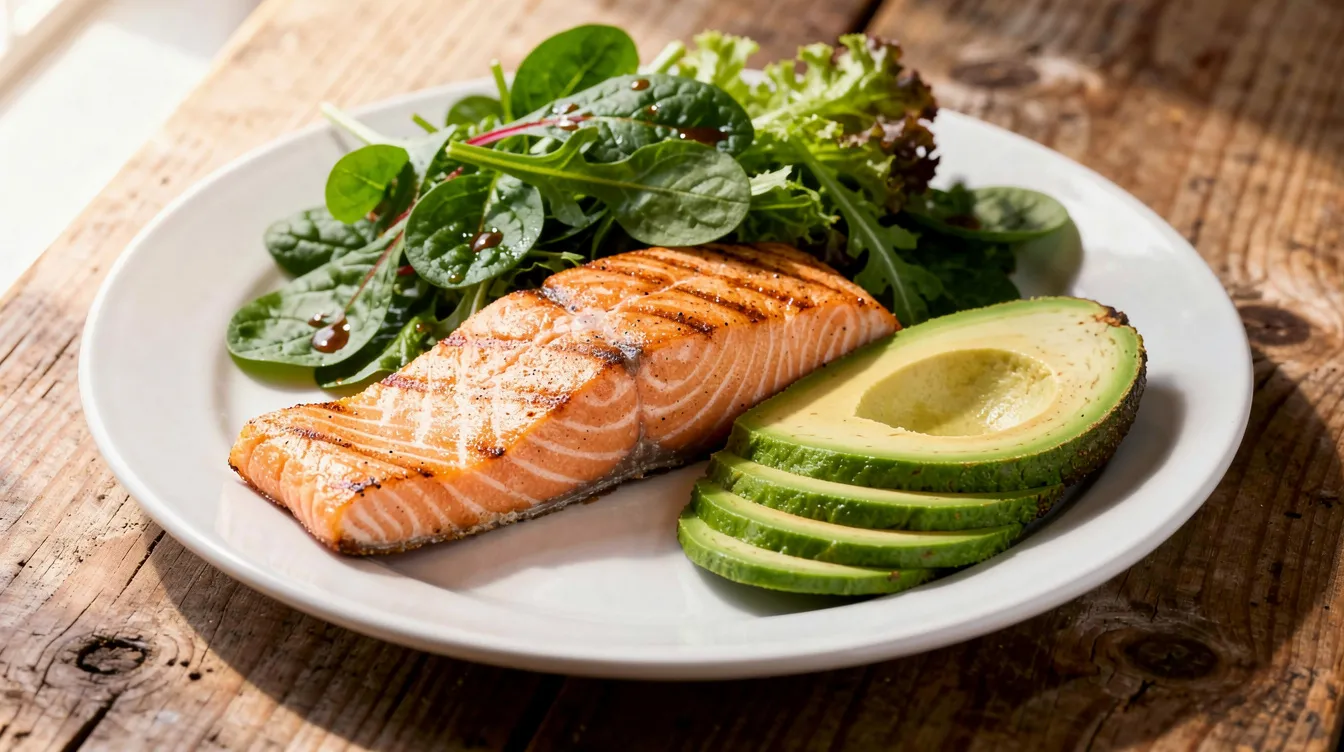
Include healthy fats like avocados and salmon to help fat cell integrity
Avoid high-sodium foods to reduce swelling post-BBL
Hydration is crucial: drink 2 to 3 liters of water daily throughout the recovery process
A balanced diet rich in protein supports healing after BBL
Activity and Sitting Rules
Use a bbl pillow for all sitting sessions; patients should avoid sitting for 2 weeks post-surgery without one
Prescribe short, frequent walks from day one to stimulate blood flow and reduce DVT risk
Avoid glute-focused exercises until surgeon clearance, typically around 8 to 12 weeks; light walking and light exercise are your main tools early on
Managing Expectations and BBL Results
Asymmetry between left and right is normal in the first few weeks. One side may de-fluff faster, and full symmetry often takes several months. Scar maturation at incision sites and liposuction ports starts pink or red and fades over 6 to 12 months.
Emotional recovery is real. When swelling drops around weeks 3 to 5, many patients panic, thinking volume is permanently lost. This is almost always temporary swelling resolution, not fat loss. Taking photos under consistent lighting at key intervals (weeks 4, 8, 12, and 6 months) helps track progress objectively and manage anxiety.
Fluffing is the transition where buttocks become softer and more natural-feeling. Trust the process and focus on what you can control: your aftercare.
Risks, Warning Signs, and When to Contact Your Surgeon
The bbl healing process is generally smooth when aftercare is followed, but certain warning signs demand immediate attention:
Fever or increasing redness around the treated area
Sharp pain that worsens rather than improves, or foul-smelling drainage from incision sites
Sudden chest pain or breathing difficulties, which could indicate fat embolism
Contact your surgical team immediately if any of these occur. Fat necrosis, infection, and embolism are rare but serious complications, and early communication is critical. Up to 40% of transferred fat may not survive, but complications from the procedure itself are a separate concern that requires prompt action.
BBL Procedure Compared With Breast Augmentation
Both the bbl procedure and breast augmentation involve body contouring, but recovery differs significantly.
Factor | BBL (Fat Transfer) | Breast Augmentation (Implants) |
|---|---|---|
Primary restriction | No sitting on buttocks 2+ weeks | Limited upper body movement |
Pressure concern | Sitting and sleeping position | Chest compression and sleeping position |
Graft behavior | Living tissue; responds to weight changes | Implants maintain volume independently |
Fat resorption risk | 30–50% may be naturally absorbed | N/A (implant-specific risks like capsular contracture) |
Grafted fat in a brazilian butt lift bbl behaves as living tissue once integrated. It responds to stable weight maintenance, aging, and lifestyle. Implants are inert devices with their own set of long-term risks. Both procedures benefit from dedicated post op care and realistic expectations.
FAQs and Patient Education Resources
When does fluffing actually start? The fluffing stage occurs typically around 3 to 6 months post-operation, though initial softening can begin as early as six to eight weeks post-surgery. The fluffing stage occurs 6 to 8 weeks post-surgery for most patients.
How long does fluffing last? Active fluffing continues through months 3 to 6, with subtle refinement possible up to 12 months.
Do I really need to wear my compression garment that long? Yes. Patients should wear compression garments for at least 3 months. Hydrate with 2 to 3 liters of water daily for recovery and follow garment protocols closely. Consistency during the first few weeks sets the foundation.
Will I lose all my results? No. While some fat is naturally absorbed, the remaining fat that survives beyond month 3 is generally permanent. Maintaining a stable weight protects your investment.
Call to Action: Next Steps for Readers Considering BBL Surgery
If you're considering plastic surgery or currently navigating the bbl fluffing stage, the single most impactful step you can take is scheduling a consultation with a board-certified surgeon who specializes in fat transfer procedures.
Before your appointment, prepare specific questions about the bbl recovery timeline, compression garment protocols, and when you can expect your final results. Gather before-and-after galleries from your surgeon's portfolio to set realistic expectations about what the fluffing process looks like on different body types.
Your results are a partnership between skilled surgery and committed aftercare. Weight stability, nutrition, and patience during the fluff period are within your control, and they make the difference.
Frequently Asked Questions
What does 'fluffing stage' mean in BBL recovery?
Fluffing stage is patient slang for the recovery phase when swelling subsides and transferred fat cells settle into their new location. The buttocks transition from feeling hard and swollen to softer and more natural as tissue remodels and fat establishes blood supply.
When does the BBL fluffing stage typically begin?
The fluffing stage generally begins 6 to 8 weeks after surgery. However, the biological process of fat establishing blood supply starts as early as 3 to 7 days post-graft and continues for several months, with active changes through months 3 to 6.
How long does the fluffing stage last?
The fluffing stage can last until 6 months after the procedure, with final stabilization often taking 6 to 12 months total. The timeline varies based on individual factors like age, BMI, skin elasticity, and genetics.
What signs indicate that BBL fluffing has started?
Signs include noticeably decreased swelling, tissue softening from firm to natural feel, increased projection or roundness, and visible changes in photographs between weeks 6 and 12. Clothes may also begin fitting more naturally during this window.
Why is aftercare important during BBL recovery?
Transferred fat lacks its own blood supply and must establish new vessels through neovascularization. Approximately 40% of transferred fat may not survive post-surgery, so proper care during the vulnerable healing window significantly affects long-term fat survival.

-2.jpg?width=2000&height=2000&name=Copy%20of%20YouTube%20Thumbnail%20-%20Life-Changing%20Cosmetic%20Surgery!%20(Document)-2.jpg)


