Recovery after a brazilian butt lift involves three primary stages, each requiring a specific type of compression garment-known as a faja-to protect healing tissue, manage swelling, and shape your new contours. Understanding the bbl faja stages helps you move through each phase with confidence and avoid mistakes that could compromise your desired results.
Learn more: Body Contouring at Leva Medical
Overview: Post Surgery Compression Garments And BBL Recovery
Post surgery compression garments serve a critical role after any body contouring surgical procedure. A faja is a compression garment designed to reduce swelling and improve contouring results after liposuction and fat transfer. These garments provide support to the abdominal area and surrounding zones by applying consistent pressure that promotes lymphatic drainage, reduces bruising, and assists skin retraction.
The staged approach to bbl recovery breaks the recovery process into distinct phases. Each stage uses a garment with a different compression level, design, and wear duration matched to where your body is in the healing process. While general timelines exist, your surgeon's advice always takes precedence-differences in technique, volume of fat transferred, and individual health can shift these windows significantly.

Stage 1: Post Op Compression Garment
A stage 1 faja is worn for 1 to 14 days post op, beginning immediately in the operating room or recovery suite. Stage 1 fajas provide light to moderate compression for healing, prioritizing protection over aggressive shaping.
The clinical goals during stage 1 include:
Minimizing swelling and controlling edema caused by tumescent fluid and surgical trauma
Protecting fresh incisions and surgical sites from movement-related stress
Stabilizing newly transferred fat cells by preventing direct pressure on the buttocks
Minimizing bruising and promoting circulation to accelerate tissue repair
Supporting early lymphatic drainage
Initial recovery features significant swelling and bruising in liposuctioned areas. A stage 1 faja is worn 24 hours a day immediately after surgery-typically 22 to 23 hours daily, removed only for showering. During the first few weeks, foam inserts or abdominal boards may be placed inside the garment to distribute pressure evenly across treated zones.
Managing Fluid Retention And Minimizing Swelling In Stage 1
Garments reduce fluid retention by applying uniform external pressure that prevents serum and lymph from pooling in tissue spaces. Swelling and fluid control are essential during the recovery phase after liposuction, as excess edema can impair fat graft survival and delay healing.
Swelling peaks around weeks 2 to 4 post-surgery, with common fluid discharge from incisions during this window. Manual lymphatic drainage massage-often recommended alongside garment use-helps move fluid away from swollen areas and speeds reabsorption.
Watch for these red flags that suggest excessive swelling or garment problems:
Disproportionate or sharp pain
Numbness, tingling, or bluish skin discoloration
Fluid leakage beyond expected levels
Spreading redness or fever
If any of these appear, remove the garment and contact your surgeon immediately.
Stage 1 Design Features To Highlight
Stage 1 fajas should include an open-back (butt cut-out) design to avoid compressing grafted fat. Adjustable closures-typically hook and eye or front-zipper systems-allow you to accommodate changing swelling levels throughout recovery without needing a new garment. Soft, breathable fabrics with moisture-wicking linings prevent overheating and reduce skin irritation around incision sites. Adjustable straps add further customization for comfort during extended wear.
Stage 2: Transition Compression Garment For BBL Faja Stages
Stage 2 fajas are typically worn for 2 to 8 weeks post-op, with most patients transitioning around weeks 3 to 4 once swelling subsides and incisions have closed. The difference between stage 1 and stage 2 centers on shifting goals: stage 1 focuses on protection and fluid management, while stage 2 prioritizes contour refinement.
Clinical goals during stage 2 include:
Supporting skin retraction and connective tissue remodeling-stage 2 fajas help skin retract and conform to your new shape
Managing residual swelling as patients become more active
Enhancing waist definition and curve transitions
Stage 2 garments support lymphatic drainage during recovery
Maintaining fat graft integrity while allowing more normal movement
Wear your stage 2 faja for 12 to 16 hours daily, with many patients wearing it during both daytime and nighttime in the earlier weeks and gradually reducing to daytime-only wear. Stage 2 is typically worn from weeks 3 to 12 post-op, depending on your surgeon's recommendation and individual healing.
Compression Level And Materials In Stage 2
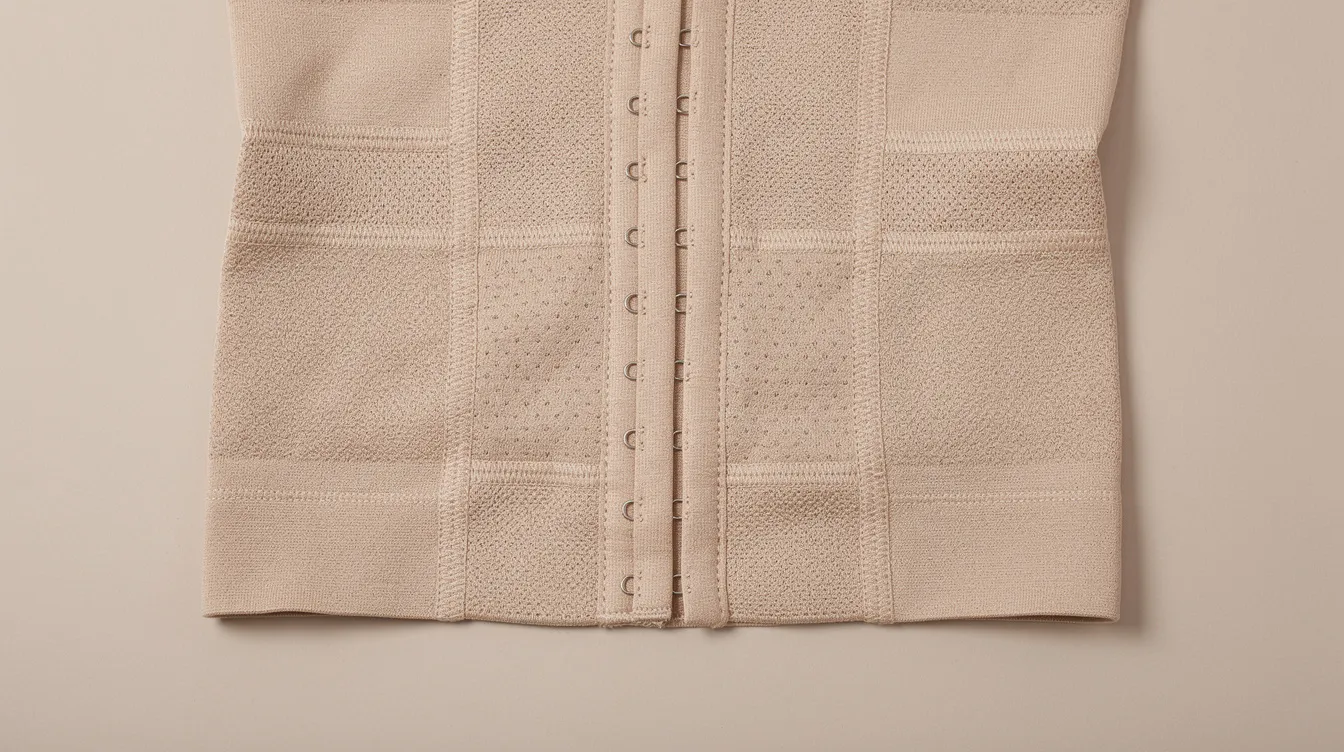
Stage 2 fajas offer medium-to-high compression for shaping. Materials like Powernet and double-layered elastics provide firm compression with more structure than stage 1. Many garments feature reinforced waist panels for targeted support along the waist and flanks. This stage 2 compression applies more compression to sculpt new contours without crossing into painful territory.
If you experience numbness, tingling, or skin color changes, the garment is too tight. A high compression garment should feel snug and supportive-not restrictive to the point of impaired circulation.
When To Transition From Stage 1 To Stage 2
Look for these readiness signs before switching:
Visible reduction in swelling (your stage 1 garment may feel noticeably loose)
Minimal fluid discharge from incision sites
Incisions are well closed and healing normally
You can tolerate firmer compression without discomfort
Surgeon clearance at your post op appointment (usually weeks 3 to 4) is the definitive checkpoint. Many patients choose a gradual transition-wearing the stage 2 faja during daytime hours first, then progressing to full-time use. The body begins to tighten between weeks 5 to 8 after surgery, making this the critical window for shaping.
Stage 3: Long-Term Compression And Long Term Maintenance
Stage 3 fajas are recommended after 8 weeks post-op. A stage 3 faja can be worn as desired after this point, with many patients continuing use for long term maintenance up to 3 to 6 months. Stage 3 fajas provide maximum compression for active shaping and help the body settle into its final contours.
Goals during stage 3 include preserving fat graft results, managing any lingering mild edema, supporting scar healing, and maintaining waist training effects. Butt-lifting shorts with an open-butt design are a popular option during this phase-they provide support to the waist and abdomen while allowing the buttocks to remain free from direct pressure, and they fit discreetly under regular clothing.
Compression Garment Choices For Everyday Wear
By stage 3, many patients move from a medical faja to high-quality shapewear with moderate compression. Medical fajas retain firm control and structural boning, while regular shapewear offers low compression suitable for comfort during daily activities. When sizing for stage 3, measure your current waist and hips-you'll likely need a smaller size than your stage 1 garment. Prioritize breathable, moisture-wicking fabrics for all-day comfort.
BBL-Specific Post Op Guidance
BBL fajas avoid direct glute compression because newly transferred fat cells depend on revascularization (blood vessel ingrowth) to survive. Direct pressure on the buttocks can impair blood flow, cause fat cell death, and lead to contour flattening.
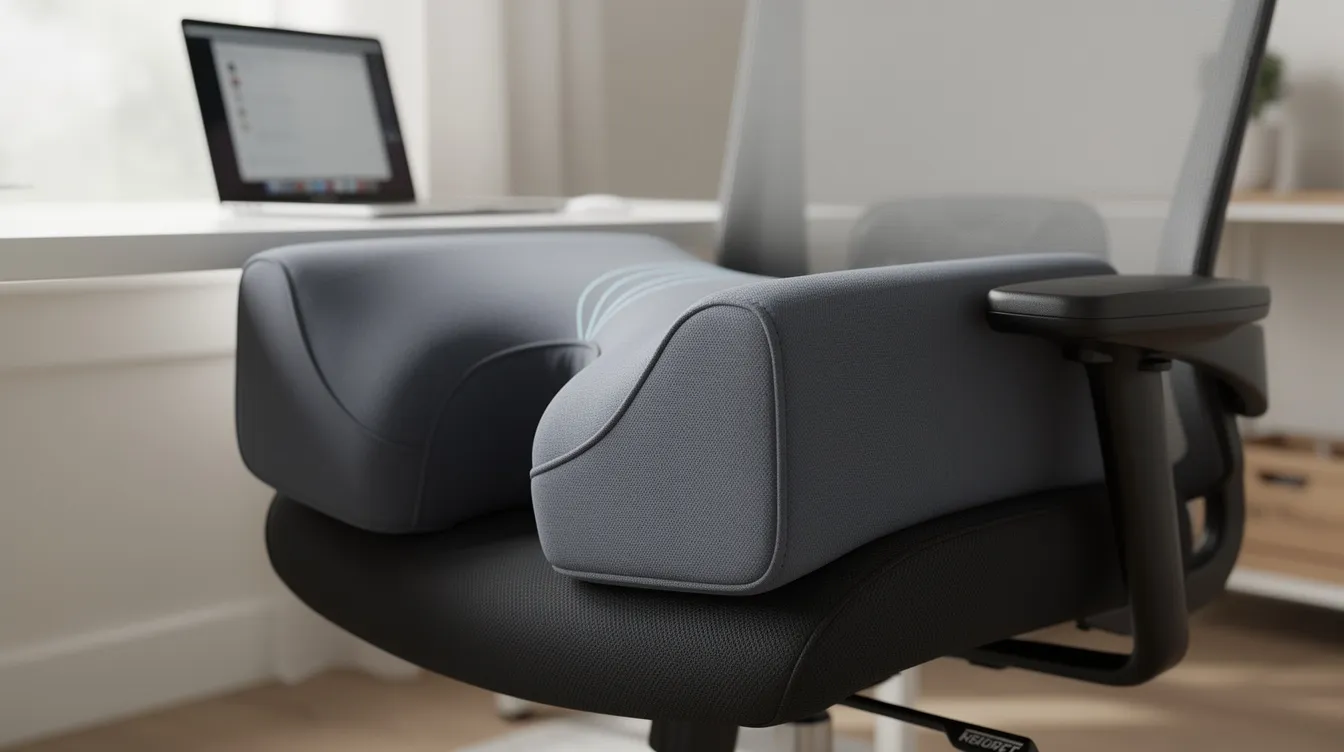
It is essential to avoid sitting directly on the buttocks for at least 3 to 6 weeks to ensure fat cell survival. Most patients return to work around 2 weeks post-surgery after a brazilian butt lift, using a BBL pillow or donut cushion to keep pressure off the grafts when seated. Walking is recommended post-surgery to promote circulation and prevent blood clots.
Protecting Transferred Fat During Early BBL Recovery
The buttocks are treated as a non-compression zone throughout early recovery. The transferred fat that survives the initial stages becomes more established by weeks 6 to 12, at which point the risk of graft loss decreases significantly. Until your surgeon clears you, avoid direct butt pressure from sitting, leaning, or garment seams. Protective cushions should be used any time seated activity is necessary.
How Long Should I Wear Each Stage?
Here is a typical timeline:
Stage | Timing | Daily Wear | Primary Goal |
|---|---|---|---|
Stage 1 | Days 1–14 post op | 22–23 hours/day | Swelling control, protection |
Stage 2 | Weeks 3–12 post op | 12–16 hours/day | Shaping, skin retraction |
Stage 3 | After 8 weeks | As desired | Contouring, long term maintenance |
Fajas are typically worn 24/7 for the first 6 weeks after surgery. Final body contours become more evident after 3 to 6 months of recovery.
Factors that extend wear duration include larger liposuction volumes, slower healing due to smoking or diabetes, significant residual swelling, and patient age. Overnight wear is standard throughout stage 1 and early stage 2. By stage 3, most patients shift to nighttime or activity-based wear only.
Choosing And Sizing Compression Garments
Measure your waist and hips before ordering. If you fall between sizes for stage 1, size up-post op swelling will fill the extra room. Refer to brand-specific size charts, as Powernet strength and structural panels vary widely between manufacturers. Properly fitted postoperative fajas help minimize fluid accumulation and improve comfort. Getting the right fit means the garment sits snugly without causing numbness or restriction.
Care, Wear Duration, And Minimizing Complications
Hand wash your faja with mild soap in cold water and air dry flat. Avoid machine washing or heat, which stretches the elastic and reduces compression effectiveness. Patients often require at least two fajas for a proper rotation during recovery-this ensures continuous compression while one garment is being cleaned. Fajas should be adjusted as the body heals during recovery.
Contact your surgeon if you notice:
Increasing pain or swelling (rather than gradual improvement)
Signs of infection (redness, warmth, odor, fever)
Loss of sensation or circulation changes
Fluid leakage beyond what your surgeon outlined as normal
Comparing Compression Levels And The Difference Between Stage Types
Compression terminology varies across manufacturers. Common descriptors include light, moderate, firm, and maximum compression-sometimes expressed in mmHg values (20–30+ mmHg), other times simply as "Powernet" or "double Powernet."
Feature | Stage 1 | Stage 2 | Stage 3 |
|---|---|---|---|
Compression | Light to moderate | Medium to high | Maximum compression |
Focus | Healing, protection | Shaping, contouring | Active shaping, maintenance |
Typical Wear | 22–23 hrs/day | 12–16 hrs/day | As desired |
Design | Open-butt, soft fabric | Reinforced panels, sleeker | Butt-lifting shorts, shapewear |
Skipping a stage-or switching at the wrong time-is usually unsafe. Jumping into a high compression garment too early can compromise healing tissue and fat graft survival. Moving to low compression too soon may leave residual swelling unmanaged, resulting in uneven contours.
Content Assets To Include
Plastic surgeons commonly provide printed post-op protocols specifying garment stages, hours of daily wear, and follow-up appointment schedules. Ask your surgical team for their specific written guidelines. Before-and-after timeline visuals and sizing charts from your garment manufacturer can help you track progress and ensure the right faja at each stage.
FAQs: Post Surgery Compression, BBL Recovery, And Common Concerns
How long should I wear each stage?
Stage 1: 1 to 14 days, 22–23 hours daily
Stage 2: Weeks 3 through 12, 12–16 hours daily
Stage 3: After 8 weeks, as desired for maintenance
What is the difference between stage 1 and stage 2? Stage 1 focuses on proper healing, reducing swelling, and protecting surgical sites with light to moderate compression. Stage 2 applies firmer, targeted compression to shape new contours and support skin retraction. Stage 3 provides maximum compression for active shaping and long term results.
Do compression garments minimize bruising? Yes. Compression garments minimize bruising and promote faster healing by applying consistent pressure that supports blood flow and lymphatic function.
Can I skip a stage? No. Each stage is calibrated to your body's healing process. Wearing the wrong garment at the wrong time can reduce fat survival, cause tissue damage, or produce uneven results. Similar to how you wouldn't skip a phase in recovery from a tummy tuck, each stage matters.
Conclusion And Call To Action
The staged faja approach is one of the most controllable factors in achieving optimal results from your procedure. Final results of a brazilian butt lift are typically visible by 3 to 6 months-and wearing compression garments correctly through each phase directly supports that outcome. Whether you're in stage 1 protecting fresh grafts, stage 2 refining your waist, or stage 3 maintaining your final results, consistency matters.
Before switching stages, always consult your surgical team. Your surgeon's recommendation accounts for your unique anatomy, procedure details, and recovery speed-no generic timeline can replace that guidance.
Frequently Asked Questions
What is a faja and why is it used after a BBL?
A faja is a compression garment worn after BBL surgery to reduce swelling, manage fluid retention, protect healing tissue, and support skin retraction. It applies consistent pressure that promotes lymphatic drainage, reduces bruising, and helps shape new contours during recovery.
How long is a Stage 1 faja worn and what does it do?
Stage 1 fajas are worn for 1 to 14 days post-op, typically 22 to 23 hours daily. They provide light to moderate compression to minimize swelling, protect incisions, stabilize newly transferred fat, and support early lymphatic drainage without aggressive shaping.
When should I transition from Stage 1 to Stage 2 faja?
Transition to Stage 2 when swelling visibly reduces, fluid discharge minimizes, incisions close normally, you tolerate firmer compression, and your surgeon approves. This typically occurs around weeks 3 to 4 post-op at your post-operative appointment.
How long is a Stage 2 faja worn and what compression level does it provide?
Stage 2 fajas are worn for 2 to 8 weeks post-op, typically 12 to 16 hours daily. They provide medium-to-high compression using materials like Powernet to support skin retraction, manage residual swelling, enhance waist definition, and maintain fat graft integrity.
What warning signs indicate a faja is too tight or something is wrong?
Remove the garment and contact your surgeon if you experience numbness, tingling, bluish skin discoloration, disproportionate or sharp pain, excessive fluid leakage beyond expected levels, or spreading redness or fever.


-2.jpg?width=2000&height=2000&name=Copy%20of%20YouTube%20Thumbnail%20-%20Life-Changing%20Cosmetic%20Surgery!%20(Document)-2.jpg)


