Awake liposuction has changed the way plastic surgeons approach fat removal and body sculpting. Instead of putting you fully asleep under general anesthesia, this minimally invasive approach uses local anesthesia to numb the treatment area while the patient remains awake and responsive throughout the entire process. The result is a surgical procedure with less risk compared to the traditional approach, a quicker recovery, and the ability to provide real time feedback to your surgeon during contouring.
This guide covers everything you need to know about the awake liposuction procedure - from how local anesthesia works, to candidacy, safety protocols, recovery timelines, and what to ask your surgeon before scheduling.
Introduction to Awake Lipo and Body Contouring
Awake lipo refers to liposuction surgery performed under local anesthesia, with or without mild sedation, rather than under general anesthesia. The patient remains awake, breathing independently, and often able to communicate with the surgical team. This stands in contrast to traditional liposuction, where patients are fully asleep and require airway management and deeper systemic anesthesia.
The primary benefits of awake liposuction center on patient comfort and recovery. Because the procedure eliminates risks associated with general anesthesia - including nausea, grogginess, and respiratory complications - most patients experience a faster recovery and a more comfortable recovery overall. Awake liposuction is increasingly popular in high-density urban areas, where it can even be marketed as a "lunchtime" procedure in NYC due to its minimal downtime.
How Local Anesthesia Works in Awake Liposuction
The foundation of awake liposuction is the tumescent technique, developed by Dr. Jeffrey A. Klein in 1985. This involves infiltrating the targeted fat with a large volume of fluid - typically saline mixed with highly diluted lidocaine and epinephrine, often buffered with sodium bicarbonate.
Here's how each component works:
Lidocaine acts as the local anesthetic, blocking nerve signals in the infiltrated fat and overlying skin so the treated areas are fully numbed. Because the concentration is very dilute and absorption is slowed by vasoconstriction, systemic toxicity is avoided even at higher total doses.
Epinephrine causes vasoconstriction, which dramatically reduces local bleeding and slows lidocaine absorption into the bloodstream.
The maximum dose of local anesthetic is restricted for safety reasons. In tumescent liposuction with fat aspiration, the widely accepted ceiling is approximately 45 mg/kg of lidocaine. Awake liposuction uses local anesthesia instead of general anesthesia, keeping you conscious and pain free throughout.
Awake Liposuction Procedure: Step-by-Step
The process begins with preoperative markings. Your surgeon will outline fat compartments, incision locations, and grid patterns on the skin - often while you're standing - to ensure uniform infiltration and symmetrical contouring.
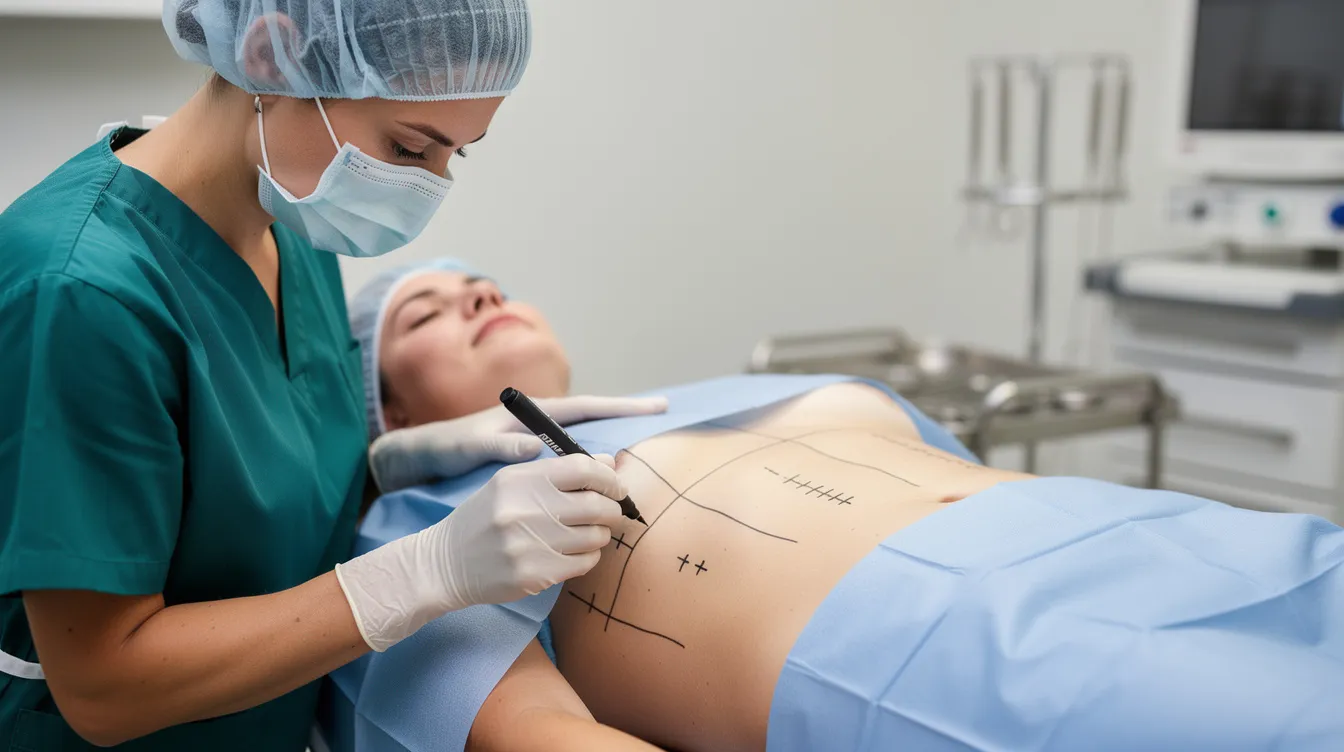
The actual procedure follows these stages:
Small incisions (1–3 mm) are made at strategic locations.
Anesthetic infiltration starts in deeper fat layers, then moves superficially. This process can require 1–2 liters of tumescent fluid, with a 30–45 minute waiting period for full vasoconstriction and numbness.
Fat removal is performed using microcannulas (1–3 mm diameter). The surgeon works through controlled motions, removing fat from deeper layers first, then superficial layers, progressively refining the contour.
Patient feedback is gathered throughout. Because the patient remains awake, you can communicate with the surgical team about any discomfort, and the surgeon can make real-time adjustments during fat removal. Allowing patients to stand intermittently helps assess contour under gravity.
The procedure typically lasts between one to four hours depending on the number of treatment areas. Patients may feel pressure or vibrations even during awake liposuction, but the treated areas remain fully numbed. Blood loss is typically minimal - often under 50 mL in moderate-volume cases.
Awake Lipo Vs Liposuction Surgery Under General Anesthesia
Factor | Awake Liposuction | General Anesthesia |
|---|---|---|
Anesthesia type | Local anesthetic + optional sedation | Systemic (patient fully asleep) |
General anesthesia risks | Eliminated | Airway complications, nausea, cognitive impairment |
Recovery timeline | Same-day discharge, 3–5 days to light activities | Longer rest, possible overnight stay |
Patient feedback | Yes - staying awake allows real time feedback | No - patient unconscious |
Cost | Often lower due to reduced requirements | Higher (anesthesia team, facility fees) |
Awake liposuction eliminates risks associated with general anesthesia, including respiratory depression, cardiovascular events, and prolonged postoperative nausea. Awake liposuction costs can be lower due to reduced anesthesia and facility requirements.
Procedures that still involve general anesthesia include very large-volume liposuction (exceeding 5+ liters of aspirate), cases combined with a tummy tuck or body lifts, and surgeries requiring prolonged operative time beyond what awake procedures can comfortably accommodate.
Who Is a Good Candidate for Awake Liposuction (Best Candidates)
A good candidate for awake liposuction generally meets these criteria:
BMI below 30–32, with localized stubborn fat deposits rather than generalized obesity
Good skin elasticity, since the liposuction procedure does not significantly tighten loose skin
Close to ideal body weight - candidates should have a lower body fat percentage and not weigh over 30% above their goal weight
Good health with no uncontrolled cardiovascular disease, bleeding disorders, or respiratory compromise
Realistic expectations about what body contouring can achieve
An ideal candidate has minimal to moderate unwanted fat to remove - think unwanted fat deposits on the abdomen, flanks, thighs, or arms. Awake liposuction is suitable for smaller targeted fat deposits, not large-scale weight reduction.
Awake liposuction is not suitable for those with excessive sagging skin. Patients with significant laxity may need skin excision procedures for optimal results.
Contraindications include severe anxiety disorders that make cosmetic surgery while conscious intolerable, active anticoagulant therapy, and unrealistic expectations equating liposuction with weight loss.
Patient Safety and Monitoring During Awake Liposuction
Patient safety during awake liposuction relies on continuous intraoperative monitoring. Standard protocols include tracking:
Heart rate and blood pressure
Oxygen saturation
ECG (especially with larger epinephrine volumes)
Vital signs at regular intervals
The surgical team should have emergency equipment readily available - oxygen, IV fluids, airway management tools - even for procedures performed entirely under local anesthesia. Facility accreditation is important for safety during awake liposuction, so confirm your clinic meets recognized standards (such as AAAASF in the U.S.).
Regarding how much fat can safely be removed: up to five liters of fat can be removed in a session, though many clinicians limit aspirate to 3–5 liters during awake tumescent liposuction to maintain safe operative time and anesthetic thresholds.
Patient Comfort Measures During Awake Procedures
Many patients worry about staying awake during a surgical procedure. Here's how surgeons address patient comfort:
Mild sedation: Oral benzodiazepines (e.g., alprazolam 0.25–0.5 mg) before the procedure, or light IV sedation to reduce anxiety without deep sedation
Nonpharmacologic measures: Music, careful draping for privacy, warming blankets, and a calm environment
Layered anesthesia: Infiltration is staged, with the surgeon checking patient feedback before proceeding, so breakthrough discomfort is addressed with additional local infiltration
Awake liposuction typically allows for less bruising and discomfort compared to the traditional approach. Providing patients with control over their experience - and the ability to remain awake and communicate - reduces anxiety for many patients.
Managing Fat Deposits to Achieve Body Contouring Goals
Effective body contouring starts with selecting the right fat deposits to target. Surgeons evaluate anatomical fat compartments, skin thickness, underlying muscle tone, and the patient's aesthetic goals to determine which areas will respond best to removing fat.
Sculpting involves sequential layering - addressing deeper fat first, then superficial layers - with attention to smooth transitions between zones. Use of microcannulas supports natural looking results by minimizing dimpling and contour irregularities.
For patients with too much fat across multiple areas or those seeking extensive contouring, staging treatments across multiple sessions is advisable. This approach avoids exceeding safe lidocaine limits, reduces operative fatigue, and allows the surgeon to refine results progressively. Some patients also combine liposuction with fat transfer to enhance volume in other areas.
Recovery After Awake Liposuction Surgery
Recovery after awake liposuction is notably faster than after procedures that involve general anesthesia. Here's what to expect:
Immediate post-op (day of surgery):
Discharge typically within 1–2 hours
Must be able to walk, void, and tolerate oral intake
Recovery time is usually 3–5 days for light activities
First two weeks:
Patients should wear a compression garment continuously for the first several days, then transition to night-only wear - typically for 4–6 weeks total
Swelling and bruising gradually subside within two weeks
Most patients can return to work within a week
Patients avoid strenuous exercise during this period
Weeks 2–6:
Light activities can resume within a few days; vigorous exercise at around 2 weeks
Final results are typically visible after 4–6 weeks as swelling resolves
Patients experience a comfortable recovery largely because no systemic anesthesia is involved - no grogginess, no nausea, and minimal downtime.
Warning signs requiring urgent follow-up:
Excessive bleeding or wound breakdown
Signs of infection (redness, swelling, heat)
Symptoms of lidocaine toxicity (tinnitus, perioral numbness, confusion)
Limits, Risks, and What Awake Liposuction Won't Correct
Awake liposuction is not a weight-loss solution. It's a plastic surgery procedure designed for body sculpting - removing excess fat from specific areas to improve contour, not for reducing overall body mass.
What it won't fix:
Loose or sagging skin (may require skin excision or energy-based tightening)
Cellulite
Significant stretch marks
Potential risks of awake liposuction include:
Infection and irregular contours
Seroma or hematoma
Asymmetry or overcorrection
Fluid imbalance with large tumescent volumes
Epinephrine-related effects (tachycardia)
Awake liposuction is less invasive compared to traditional methods, and the risk compared to general anesthesia liposuction is lower, but no surgical procedure is without risk. Having realistic expectations is essential for satisfaction with your results.
Choosing a Surgeon Who Offers Awake Liposuction
Finding the right surgeon is the single most important decision in this process. Here's what to verify:
Board certification: Look for a board certified plastic surgeon or dermatologist credentialed by the American Board of Plastic Surgery or equivalent. Surgeons should be board-certified for performing awake liposuction.
Awake-lipo experience: Ask for documented case volume and before/after photos of awake procedures specifically.
Facility accreditation: Confirm the surgical facility meets safety and hygiene standards, even if office-based.
Anesthesia protocols: Understand exactly what sedation is offered, how lidocaine dosing is calculated, and what emergency protocols are in place.
Common Patient Questions About Awake Liposuction
How long does the procedure take? The procedure usually takes between one to three hours for moderate cases (e.g., abdomen and flanks). Multiple zones may extend time to four hours.
How much fat can be removed per session? Many practices limit fat aspirate to 3–5 liters. Safety is guided by lidocaine dosing rather than a fixed volume.
What does sedation feel like? Some patients have only local anesthesia and remain fully alert. Others receive mild oral or IV sedation for anxiety. You won't be fully asleep - the goal is providing patients with enough comfort to remain cooperative throughout.
What does awake liposuction cost? Awake liposuction costs range from $4,000 to $12,000. Factors influencing awake liposuction pricing include treatment area and fat volume. Anesthesia costs are a factor in awake liposuction pricing, as are surgeon fees. Geographic location and number of areas treated also affect total cost.
Next Steps: Consultation and Scheduling
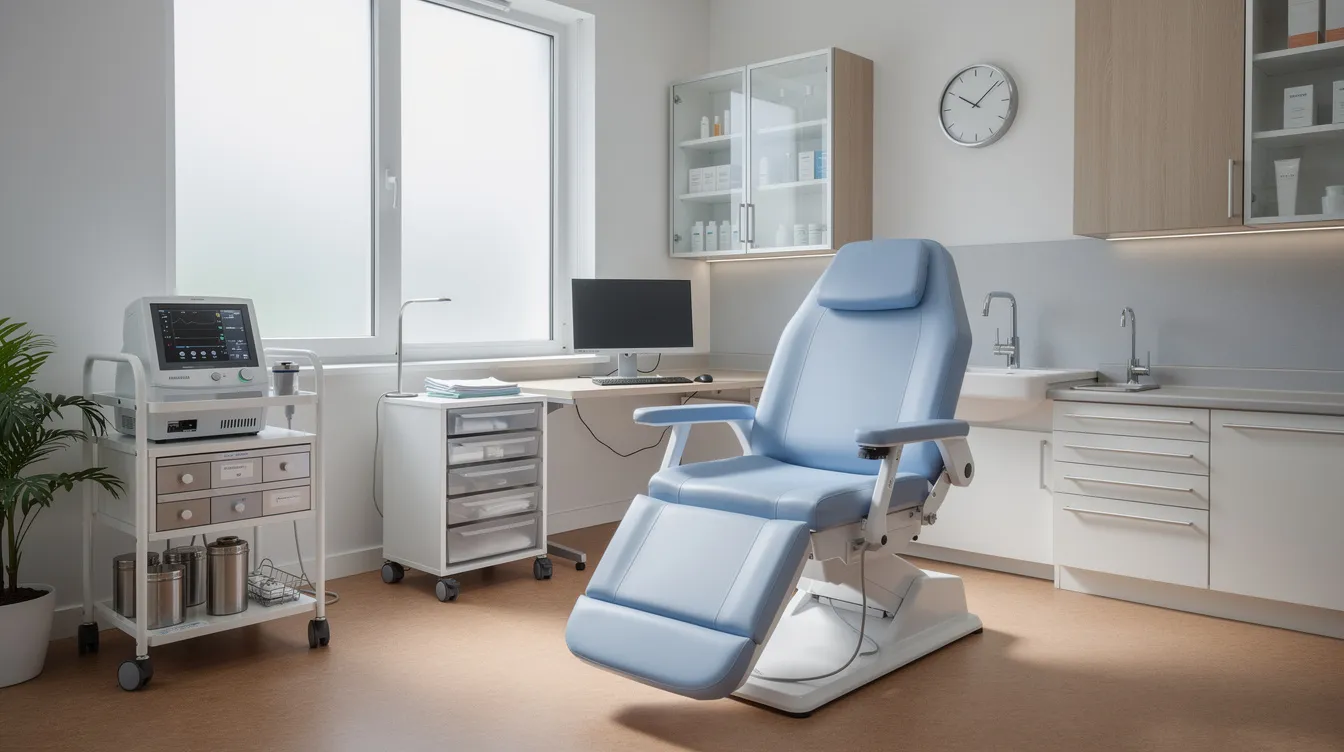
The first step toward achieving your body contouring goals is an in-person consultation with a surgeon who offers awake liposuction. During this visit, the surgeon will evaluate your anatomy, skin quality, and fat distribution to determine if you're an ideal candidate.
Come prepared:
Bring your complete medical history, including medications and supplements
Share reference photos or areas of concern
Ask about combined body contouring options - such as pairing liposuction with a tummy tuck or fat transfer - if your goals extend beyond a single treatment area
A few weeks of preparation and one consultation can set you on the path toward optimal results. Schedule yours to find out whether this procedure aligns with your goals.
Frequently Asked Questions
What is awake liposuction and how does it differ from traditional liposuction?
Awake liposuction uses local anesthesia to numb treatment areas while you remain conscious and responsive. Traditional liposuction uses general anesthesia, putting you fully asleep. Awake liposuction eliminates risks associated with general anesthesia, such as respiratory complications and prolonged nausea.
How does the tumescent technique work in awake liposuction?
The tumescent technique infiltrates targeted fat with saline mixed with diluted lidocaine and epinephrine. Lidocaine numbs the area, epinephrine reduces bleeding and slows anesthetic absorption, and sodium bicarbonate buffers the solution. This allows safe use of higher anesthetic doses without systemic toxicity.
What should I expect during the awake liposuction procedure?
The surgeon marks treatment areas, makes small incisions, infiltrates anesthetic fluid for 30-45 minutes, then removes fat using thin cannulas. You remain awake and can provide feedback. The procedure typically lasts one to four hours depending on treatment areas. You may feel pressure but treated areas remain numb.
Who is a good candidate for awake liposuction?
Ideal candidates have BMI below 30-32, good skin elasticity, minimal to moderate localized fat deposits, realistic expectations, and good overall health. Candidates should be close to ideal body weight without uncontrolled cardiovascular disease, bleeding disorders, or respiratory issues.
What is the recovery timeline for awake liposuction?
Awake liposuction typically allows same-day discharge with return to light activities within 3-5 days. Recovery is generally faster and more comfortable compared to traditional liposuction under general anesthesia due to reduced anesthesia-related side effects like nausea and grogginess.
Learn more: Body Contouring at Leva Medical


-2.jpg?width=2000&height=2000&name=Copy%20of%20YouTube%20Thumbnail%20-%20Life-Changing%20Cosmetic%20Surgery!%20(Document)-2.jpg)


