If you've been hiding your upper arms under long sleeves despite warm weather, you're not alone. Arm lift surgery - formally known as brachioplasty - is one of the fastest-growing cosmetic procedures in the country, and for good reason. This guide covers everything you need to know before you discuss arm lift surgery with a provider, from candidacy and consultation to recovery and costs.
Overview of Arm Lift
An arm lift is a plastic surgery procedure designed to reshape and tighten the area between the shoulder and elbow. It works by removing excess skin and fat that diet and exercise simply cannot address. The procedure is especially effective for the drooping, sagging skin commonly referred to as bat wings - a concern driven by aging, gravity, loss of skin elasticity, and significant weight loss.
Brachioplasty sits within the broader family of body-contouring procedures alongside abdominoplasty, thigh lifts, and breast reductions. Arm lift surgery effectively removes excess skin and fat, and brachioplasty improves arm contours and reduces sagging skin. Arm lift surgery targets bat wings effectively, which is why demand has climbed steadily - nearly 20,000 upper arm lifts were performed in the U.S. in 2019, up roughly 20% from 2015.

Who Is a Candidate for Brachioplasty Surgery
Not everyone with loose skin on the upper arm needs surgery. Here's what makes someone a strong candidate:
Ideal physical criteria:
Good candidates have excess skin and fat in upper arms that doesn't respond to exercise
Brachioplasty is suitable for those with loose skin folds, extra folds, or excess sagging skin
Enough elasticity in the remaining skin to heal well after excision
Candidates must be in general good health for surgery, with no uncontrolled medical conditions
Medical contraindications to note:
Established lymphedema or peripheral arterial disease
History of axillary lymph node dissection or radiation
Active smoking, poorly controlled diabetes, or connective-tissue disorders
BMI ≥ 30, unstable weight, or nutritional deficiencies
Candidates should achieve weight loss goals before surgery. Major weight fluctuations after the procedure can cause recurrent skin laxity and undermine your results. Realistic expectations are crucial for successful outcomes - scars are permanent, and while the overall contour improves dramatically, aging and genetic factors will continue to affect skin over time.
Arm Lift Consultation
Your initial consultation is where you and your surgeon build a treatment plan. Here's how to make the most of it.
Questions to ask your plastic surgeon:
What is your board certification, and how many brachioplasty procedures do you perform annually?
Which incision technique do you recommend for my anatomy?
What are the possible risks, and what is your revision rate?
Will liposuction be combined with the arm lift procedure?
Document your medical history thoroughly. Bring records of prior surgeries, current prescription medications, over-the-counter supplements, and any herbal remedies. Your healthcare provider will need labs and possibly cardiac clearance depending on your overall health.
Consultation should cover incision placement and anticipated scarring. Scarring is a potential consequence of the brachioplasty procedure, so understanding where scars will fall relative to your anatomy is critical. Photographing your arms from multiple angles - front, back, and inner surface with arms abducted - helps the surgeon assess skin laxity and plan the surgical procedure.
Arm Lift Procedure (Brachioplasty Procedure)
Here's what the brachioplasty procedure looks like from start to finish.
Typical surgical steps:
Anesthesia administration - an arm lift is performed under general anesthesia in most cases, though local anesthesia with sedation may work for smaller corrections
Preoperative markings on the skin while standing
Incision and removal of excess skin, extra tissue, and underlying tissues
Concurrent liposuction to remove fat if needed - liposuction may be combined with brachioplasty to remove extra fat and improve the smoother contour
Layered wound closure, dressings, and compression garment application
The procedure typically takes 2-4 hours to complete, with many cases finishing in about three hours. Brachioplasty surgery typically takes about three hours when performed alone; combined procedures add time.
Arm lift surgery is an outpatient procedure, allowing same-day discharge, so you can expect to go home the same day with a friend or family member driving you.
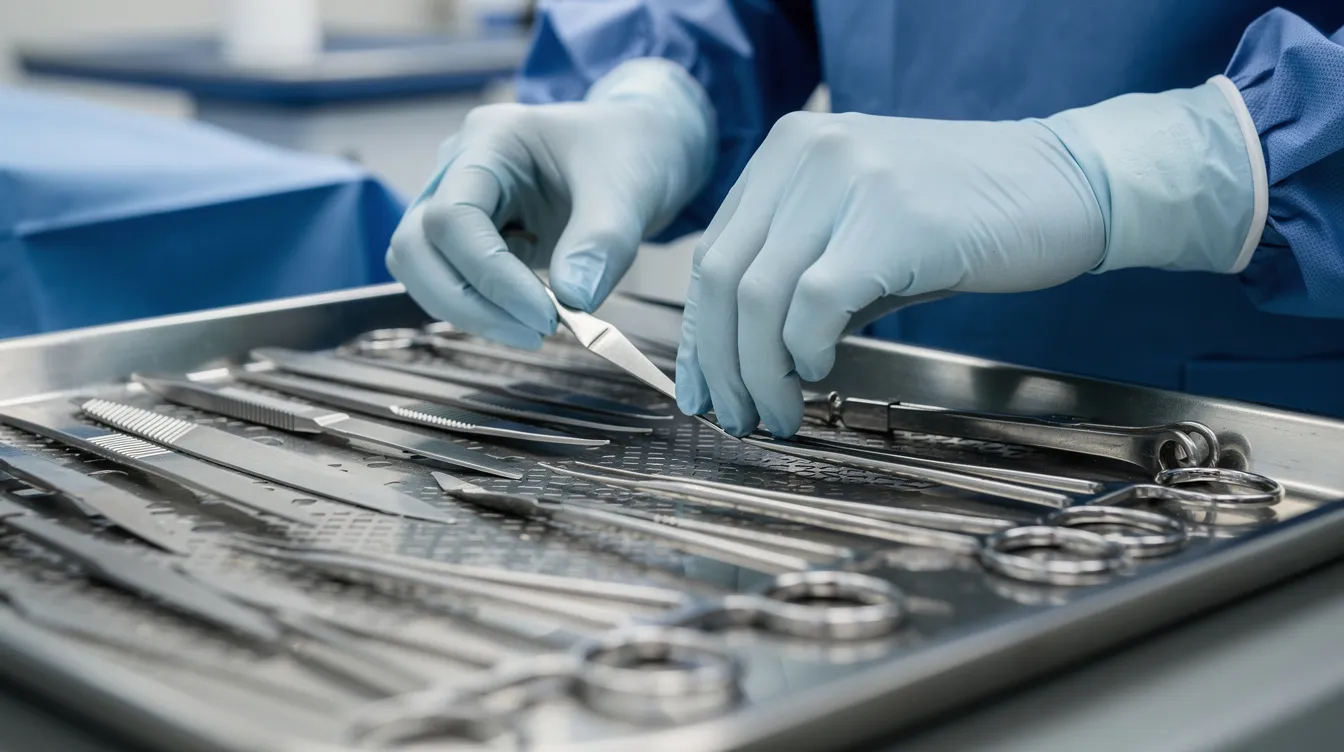
Before and During the Brachioplasty Procedure
Before the first incision, your surgeon marks the borders of extra skin with your arms raised. These markings determine the shape and length of incisions - straight, W-shaped, L-shaped, or Z-plasty patterns depending on the extent of ptosis and whether the lateral chest wall is involved.
Incisions for arm lift surgery are made under the arm or at the back of the upper arm. A short-scar approach limited to the axilla works for mild sagging, while more extensive laxity requires a full-length medial incision.
Temporary drains may be inserted to prevent fluid buildup in the tissue space created by skin removal. Closure involves multiple layers of sutures to reduce tension on the skin and fat, followed by steri-strips, dressings, and a compression garment.
Risks of Lift Surgery and Brachioplasty Procedure
Every surgical procedure carries risks. Here's what the data shows for brachioplasty:
Common risks:
Common surgical risks include infection, bleeding, or poor wound healing
Hypertrophic or widened scars (~10.8% in published literature)
Seroma or fluid collection (~6.9%)
Wound dehiscence (~5.7%)
Rare but serious risks:
Nerve injury - particularly the medial antebrachial cutaneous nerve - causing numbness
Lymphatic damage leading to lymphedema or lymphocele
Skin necrosis, especially in smokers
Deep vein thrombosis or pulmonary embolism
Infection is a potential risk during or after surgery; one large study of 2,294 patients found a 1.7% infection rate and 3.4% major complication rate overall. Risk increases with BMI ≥ 30, male gender, and combined procedures. If you experience chest pain, unusual redness, or fever post-op, contact your surgeon immediately.
Brachioplasty Surgery Scars and Aesthetic Outcomes
Scarring extends from under the arm to the elbow along the inner or posterior surface. Extended incisions may reach the lateral chest wall. Short-scar versions stay within the armpit but only suit mild cases.
Scar care recommendations:
Apply silicone sheeting or gel once incisions close
Gentle scar massage after healing permits
Strict sun protection to prevent hyperpigmentation
Intralesional steroid injections if hypertrophy develops early
Scars start red and slightly raised, then flatten and fade over 12-18 months. They never fully disappear, but patients report improved arm appearance after arm lift surgery - and most find the trade-off worthwhile. Ask your surgeon for before-and-after photos from patients with a similar body type to set realistic expectations about self image improvements and stretch marks.
Other Procedures and Alternatives
Liposuction as adjunct: When fat in the upper arm is a concern alongside loose skin, combining liposuction with brachioplasty creates a more refined overall contour without significantly raising complication rates.
Non-surgical tightening options: Technologies like radiofrequency (BodyTite), laser, and ultrasound can tighten loose skin mildly, but they cannot remove excess skin. These are best for patients with minimal laxity who want to avoid a cosmetic procedure with scars.
Combined surgery pros and cons:
Approach | Pros | Cons |
|---|---|---|
Brachioplasty alone | Targeted, shorter recovery | May not address excess fat |
Brachioplasty + liposuction | Better contour, addresses skin and fat | Longer healing, higher dehiscence risk |
Non-surgical options | No scars, minimal downtime | Modest results, no skin removal |
Other procedures (thigh lift, etc.) | Comprehensive body contouring | Extended total recovery |
Choosing a Plastic Surgeon or Healthcare Provider
Your surgeon's qualifications directly affect outcomes. Verify board certification through the American Board of Plastic Surgery or equivalent body. Accreditation of the surgical facility is important for safety during the procedure - surgery should take place in an accredited center with emergency resources and proper anesthesia support.
Review patient testimonials and ask about the surgeon's specific brachioplasty volume. Request before-and-after photo sets showing patients with various degrees of skin laxity, and pay attention to scar placement, symmetry, and how scars mature over several weeks and months.
Arm Lift Recovery (Brachioplasty Recovery)
Immediate post-op expectations: You'll wake with compression dressings and possibly drains in place. Most patients report mild to moderate pain post-surgery, manageable with prescribed medications. Pain after surgery is usually mild to moderate and typically well-controlled with a combination of prescription medications and over-the-counter options.
Drain and dressing care: Empty drains regularly and keep incisions clean and dry until your surgeon clears you to shower. Wear your compression garment as directed - usually 4-6 weeks.
Swelling and bruising timeline: Swelling and bruising can last 1-2 weeks post-surgery. Swelling lasts 1-2 weeks after arm lift surgery, with bruising peaking in the first few days. Residual swelling may persist for several months. Full recovery may take up to six months before final results are fully visible.
Follow-up schedule: Expect visits at 1 week (suture/drain removal), 2 weeks, 4 weeks, and periodically thereafter. Your surgeon monitors for infection, dehiscence, and seroma during the recovery process.

Physical Activity Restrictions and Return-to-Work
Milestone | Timeline |
|---|---|
Light walking | Days after surgery |
Return to desk work | 1-2 weeks |
Return to physical work | 2-3 weeks |
Heavy lifting and strenuous exercise | 4-6 weeks minimum |
Full strength training | 6-8 weeks+ |
Strenuous activities should be avoided for 4 to 6 weeks post-surgery. Recovery time varies but patients often return to light work within 1 to 2 weeks. Patients can return to work in 2-3 weeks after surgery depending on job demands. Physical activity restrictions last for 2-3 weeks post-surgery for most daily tasks. Avoid heavy lifting and raising arms above shoulder height during this period.
If you had combined procedures - say brachioplasty with liposuction or other body contouring - expect a longer recovery with more swelling and a higher chance of wound dehiscence. Follow your surgeon's detailed instructions for a smooth recovery.
Costs, Insurance, and Financing for Arm Lift
Arm lift surgery costs approximately $7,875 on average. Costs can vary based on surgeon experience and facility, geographic location, anesthesia fees, and whether liposuction is included. Total costs (including facility, anesthesia, garments, and follow-ups) can range from about $5,400 for a mini arm lift to over $20,000 for complex cases.
Most arm lift procedures are considered cosmetic and uninsured. However, exceptions exist if documented medical conditions - such as recurrent infections or rashes in skin folds - support medical necessity. Ask your surgeon's office about financing plans and third-party lenders. Make sure any quote includes all anticipated costs so you can plan accordingly.
Frequently Asked Questions About Arm Lift Surgery
How visible will my scars be? Scars run along the inner or posterior arm from armpit to elbow. They start pink and raised, then flatten and fade over 12-18 months. Silicone products, sun protection, and massage help. Scars never fully vanish but become much less noticeable with proper care.
Will the procedure fix my bat wings? Yes. Brachioplasty is specifically designed to remove the excess sagging skin that creates bat wings. Many patients see dramatic improvement, though maintaining a stable weight and healthy lifestyle helps preserve results long-term.
Should I get an arm lift or just liposuction? Liposuction can remove fat but does not remove excess skin. If you have good skin elasticity and your primary concern is extra fat rather than loose skin, liposuction alone may work. For moderate-to-severe laxity, combining both gives the best result. Your surgeon can help you improve muscle tone visibility by removing the skin that obscures it, though the procedure itself doesn't improve muscle tone directly.
How long do results last? Results are long-lasting, especially if you maintain a healthy diet, avoid weight gain, and lose weight only gradually if needed. Aging and gravity will naturally affect remaining skin over time. Revision rates in published studies range from 7-25% depending on technique.
Next Steps: Scheduling an Arm Lift Consultation
Ready to take the next step? Here's how to move forward:
Find a board-certified plastic surgeon experienced in body contouring and brachioplasty surgery
Schedule an arm lift consultation to review your goals, anatomy, and candidacy
Quit smoking at least several weeks before your target surgery date
Reach and maintain a stable weight - don't plan this cosmetic surgery during active weight loss
Documents to bring to your consultation:
Complete medical history and list of medications
Records of prior surgeries, especially involving the axilla or lymph nodes
Photos of your arms from multiple angles
Insurance cards if pursuing medical necessity coverage
A written list of your goals and questions
Your surgeon will provide detailed instructions covering preoperative labs, medication adjustments, nutrition, and arranging for a family member to assist during your first days of brachioplasty recovery. The right preparation sets the stage for results you'll feel confident about for years to come.
Frequently Asked Questions
What is arm lift surgery and what does it treat?
Arm lift surgery, or brachioplasty, reshapes and tightens the area between shoulder and elbow by removing excess skin and fat. It addresses sagging skin, commonly called bat wings, caused by aging, gravity, loss of skin elasticity, and significant weight loss that diet and exercise cannot resolve.
Who is a good candidate for brachioplasty?
Good candidates have excess upper arm skin and fat unresponsive to exercise, adequate remaining skin elasticity, general good health, and realistic expectations. Candidates should achieve weight loss goals beforehand. Those with lymphedema, active smoking, poorly controlled diabetes, or BMI ≥30 are typically not suitable.
How long does arm lift surgery take and is it outpatient?
Brachioplasty typically takes 2-4 hours, with most cases finishing in about three hours. It is an outpatient procedure allowing same-day discharge. You must arrange transportation home with a friend or family member since general anesthesia is typically used.
What are the common risks of arm lift surgery?
Common risks include infection, bleeding, poor wound healing, hypertrophic scars, seroma or fluid collection, and wound dehiscence. Rare but serious risks include nerve injury causing numbness, lymphatic damage leading to lymphedema, skin necrosis, and blood clots.
Will I have scars after arm lift surgery?
Scars are permanent after brachioplasty. Incisions are made under the arm or at the back of the upper arm. Short-scar approaches work for mild sagging, while extensive laxity requires full-length incisions. Scar location and extent depend on your specific anatomy and the extent of correction needed.
Learn more: Body Contouring at Leva Medical
-2.jpg?width=2000&height=2000&name=Copy%20of%20YouTube%20Thumbnail%20-%20Life-Changing%20Cosmetic%20Surgery!%20(Document)-2.jpg)


