An arm lift scar is the single biggest concern patients raise before committing to surgery. The good news is that modern short scar arm lift techniques can keep incisions small, hidden, and manageable with the right aftercare. This guide covers every scar type, how healing unfolds over time, evidence-based care strategies, and what to realistically expect from your results.
Short-Scar Arm Lift Overview
A short scar arm lift - sometimes called minimal-incision or mini brachioplasty - is a procedure designed to remove excess skin and fat from the upper arm through a significantly shorter incision than traditional brachioplasty. The crescent lift is also known as a short-scar arm lift, and it concentrates the work near the armpit rather than running a long scar down the inner arm.
Incision placement is typically confined to the axillary (armpit) fold. In a transaxillary approach, the horizontal incision measures roughly 4 to 5 cm and sits within a natural skin crease, making it difficult to spot once healed.
Ideal candidates generally share these characteristics:
Mild to moderate loose skin concentrated in the upper third of the arm
Relatively good skin elasticity
Stable body weight
Non-smokers with no medical conditions that impair healing
Realistic expectations about scar visibility and results
Patients with severe laxity extending from the armpit down to the elbow - common after massive weight loss - typically need a longer incision for adequate correction.
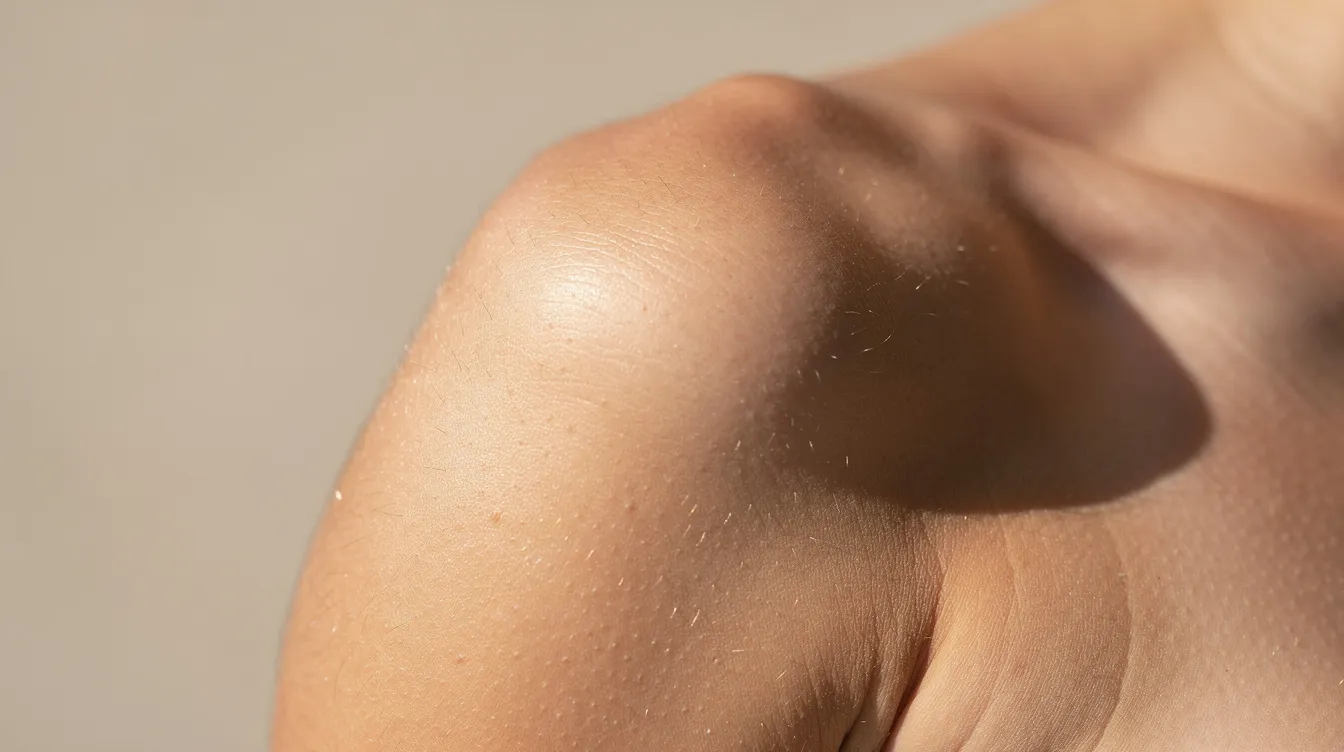
Arm Lift Scar Types
Not all arm lift scars look the same. The amount and location of skin removal affect the length and prominence of scars, and different techniques leave different marks.
Crescent armpit scar: The crescent lift uses a smaller incision hidden in the armpit. It stays entirely within the axillary fold and is best suited for patients with minimal excess skin near the armpit.
Traditional long brachioplasty scar: A linear incision running from the armpit down along the inner arm toward the elbow. If laxity extends further, incisions may wrap onto the lateral chest (extended brachioplasty).
Visibility comparison:
Scar Type | Length | Visibility |
|---|---|---|
Crescent / short-scar | ~4–5 cm, armpit only | Hidden in fold; rarely seen |
Traditional (inner arm) | Armpit to near elbow | Visible when arms raised or sleeveless |
Extended | Inner arm + lateral chest | Most visible of all options |
Short Scar Arm Techniques
Crescent-lift technique
A crescent-shaped wedge of skin (and sometimes fat) is excised from the axilla. No longitudinal inner arm incision is made, keeping the scar compact and concealed.
Minimal-incision brachioplasty
The incision sits entirely in the armpit crease. This approach is often paired with liposuction to tighten and contour the arm without requiring as much skin excision. This procedure can liposuction fat from the upper arm, with volumes typically ranging from 100 to 600 mL depending on the patient's anatomy.
How the surgeon chooses a technique
Surgeons evaluate several factors before recommending an approach:
Location and severity of excess skin
Skin elasticity and texture
Patient's tolerance for scar visibility
Weight stability and general health
If laxity is limited to the upper arm, minimal techniques are sufficient. When loose skin descends toward the elbow or chest, a traditional or extended incision becomes necessary to achieve meaningful correction.
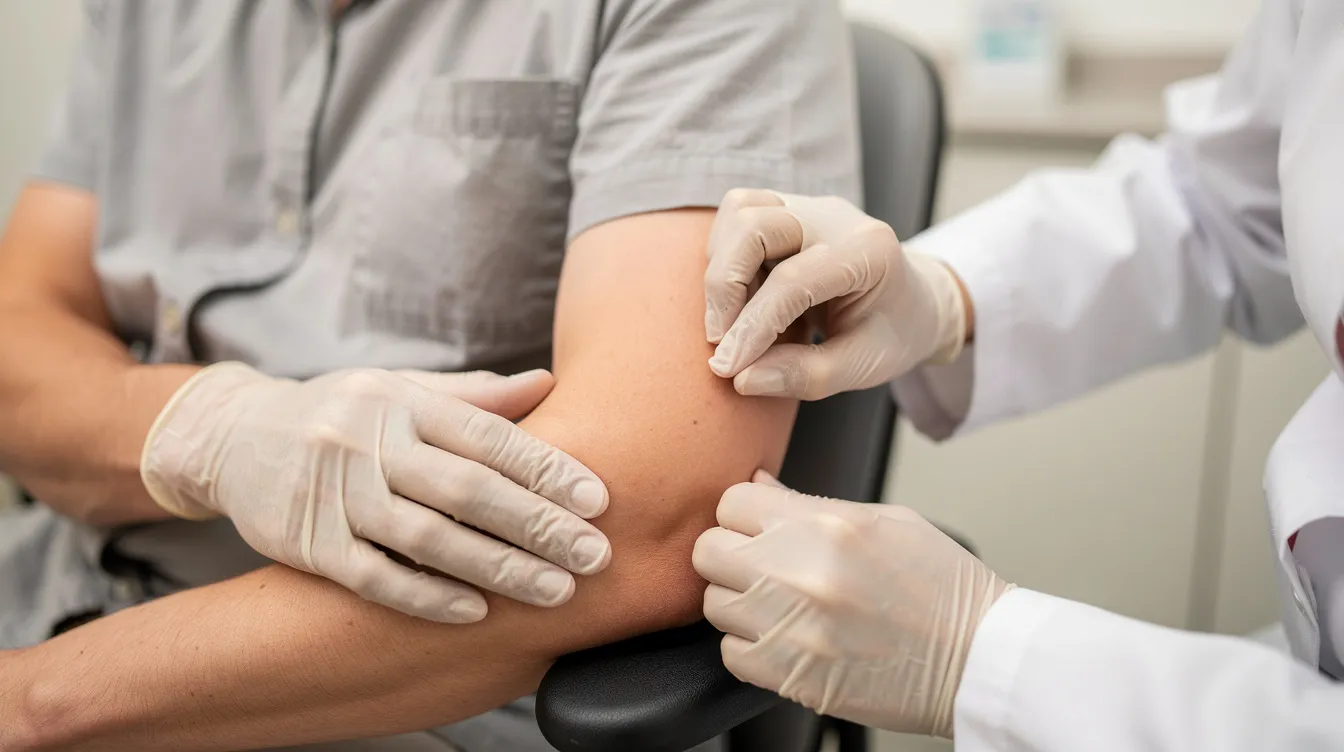
Short-Scar Arm vs Traditional Arm Lift
Choosing between a short scar arm lift and a traditional brachioplasty involves weighing several trade-offs.
Scar length: Short-scar incisions stay within the armpit at roughly 4–5 cm. Traditional incisions span the full inner arm. Extended techniques add a lateral chest component.
Complication rates: A large study of 2,294 brachioplasty patients found major complications in 3.4% of cases overall, with infection at approximately 1.7% and hematoma at 1.1%. When brachioplasty was performed alone (not combined with other body contouring), the rate dropped to 1.3%. A 2025 study on short-scar medial brachioplasty reported a complication rate of roughly 3.6% in properly selected patients.
Recovery timelines: Minimal-incision patients often return to light activity within 2 to 3 weeks, with less swelling and bruising. Stitches typically come out at 1 to 2 weeks post surgery, and compression garments are worn for about 6 weeks.
Aesthetic outcomes: Short-scar techniques produce more discreet scars but remove less skin. Traditional approaches deliver more dramatic correction at the cost of a longer, more visible scar.
When to choose short-scar: Mild to moderate laxity, desire for minimal visible scarring, good skin quality, and no history of massive weight loss. Traditional is better when extensive excess skin demands comprehensive removal.
Arm Lift Scar Healing Timeline
Understanding how scars evolve over time helps set realistic expectations. The initial appearance of scars is often red, raised, firm, or puffy - and that is completely normal.
Time Frame | What to Expect |
|---|---|
Weeks 0–2 | Incision closed with sutures; swelling, bruising, pink/red line. Strict protection, minimal arm movement. |
Weeks 3–8 | Redness intensifies as collagen builds. Itching is common. Silicone sheeting and gentle massage may begin. |
Months 3–6 | Scar starts softening and flattening. Color fades from red toward pink. |
Months 6–12 | Noticeable improvement in color and texture. Scar blends more with surrounding skin. |
Months 12–18+ | Scar considered mature. Final contour and color stabilize. |
Scars can take 12 to 18 months to mature and fade. Some patients see continued improvement up to two years post procedure.
Signs that require medical review:
Wound separation or opening
Persistent redness beyond normal timeline
Signs of infection (discharge, increasing pain, fever)
Scar growing beyond the incision margins
Unexpected numbness or nerve-related symptoms
Scar Care and Minimization Strategies
Proper wound care and activity restrictions help minimize scarring. Here are the most effective strategies, roughly in the order you would start them.
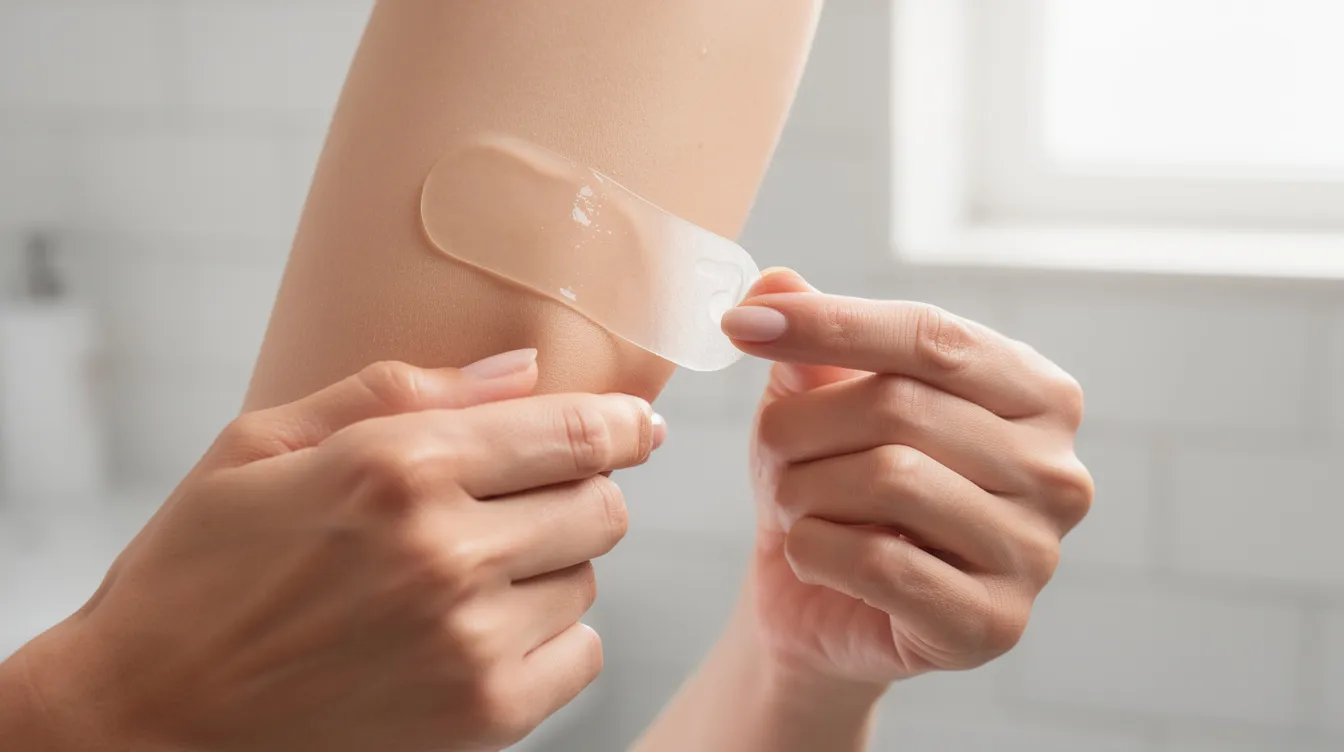
Silicone sheets or gels can help flatten and soften scars after healing. Begin once the wound has fully closed and wear them at least 12 hours per day for 3 to 6 months. Silicone remains the only topical intervention with strong randomized trial support.
Daily sun protection is non-negotiable. UV exposure can darken healing scars and prolong redness. Apply broad-spectrum SPF 30+ or cover the area with clothing for at least the first 12 months.
Scar massage: Scar management may include gentle massage once healing permits - typically around 2 to 3 weeks post surgery. Use circular and cross-friction motions twice daily for a minimum of 6 weeks to help align collagen fibers and reduce stiffness.
Steroid injections are considered when a scar remains stubbornly raised, red, or itchy beyond the expected timeline. Injections are spaced every 4 to 6 weeks.
Laser and microneedling options can reduce redness and improve texture in scars that haven't responded to conservative care. Timing is typically after 3 to 6 months, once initial healing is well underway. Watch for your surgeon's guidance on when these treatments make sense for your situation. Many practices share a video walkthrough of laser scar treatment so patients can see what to expect.
Risks, Complications, and Scar Problems
Every surgery carries risk, and understanding the potential scar-related complications helps you act early if something goes wrong.
Hypertrophic scars are raised and remain within the original incision boundaries. They typically develop within weeks to months, peak around 6 to 8 months, and often regress gradually. Excess tension and movement increase risk.
Keloid scars extend beyond the original incision and can continue enlarging. They are more common in darker skin tones and rarely regress on their own.
Infection occurs in roughly 1.7% of brachioplasty cases. Infections or healing problems can lead to abnormal scar formation, making prompt treatment critical.
Wound dehiscence (incision pulling apart) can result from excessive tension, smoking, or premature physical activity. Smoking and nicotine use negatively impact scar healing across every phase and significantly raise the risk of dehiscence and poor outcomes.
Before-and-After Photos And Setting Expectations
Representative before-and-after photos are one of the best tools for calibrating expectations. Look for images taken at consistent intervals - pre-op, then at 3, 6, 12, and 18 months - with the same lighting and arm positions.
Keep in mind that results vary. Genetics and skin type heavily influence scar healing. Darker skin tones are more prone to hyperpigmentation and keloids, while lighter skin may show redness more visibly in the early months. Patient age also plays a role: younger patients heal faster but can produce more collagen (and thus more raised scars), while older patients may heal more slowly with thinner, less elastic skin.
The final scar appearance depends on surgical technique, genetics, and aftercare adherence. No two patients will have identical results, even with the same procedure.
Frequently Asked Questions About Arm Lift Scar
How long do arm lift scars stay red? The red or pink phase typically lasts 3 to 6 months. In some patients, redness persists for up to 12 months. Sun exposure, movement, and tension at the incision site can prolong it.
When do scars flatten? Flattening usually begins around 3 to 6 months, with the most significant improvement by 6 to 12 months. Full maturation can take up to 18 months or longer.
Will scars be visible with a short-scar arm lift? Visibility is much lower than with traditional techniques. The scar hides in the armpit fold and is rarely seen in sleeveless clothing. However, certain movements may reveal it - no arm lift is entirely scar-free.
Does insurance cover arm lift surgery? Brachioplasty is generally considered cosmetic. Insurance may cover it when there is documented medical necessity, such as recurrent rashes, infections in skin folds, or functional impairment following massive weight loss. Policies vary, so discuss coverage with your provider before scheduling.
Patient Communication And Consent
Before any arm lift, your surgeon should discuss scar placement preoperatively - ideally while you are standing so both of you can see exactly where the incision and resulting scar will fall.
Photographing the surgical site before and at regular intervals after surgery creates an objective record of healing. These images are invaluable for evaluating progress and determining whether interventions like laser treatment or scar revision are warranted.
Written consent should specifically state that scars are permanent, may take 1 to 2 years to mature, and can vary in color, texture, and width. The consent form should also address the possibility of hypertrophic or keloid scarring, pigment changes, and asymmetry.
Call To Action
If you are considering an arm lift and want to understand which technique will give you the best balance of correction and scar concealment, the next step is a personalized consultation. A board-certified plastic surgeon can evaluate your anatomy, skin quality, and goals - then recommend a plan tailored to you.
Schedule your consultation today to get clear answers about what your arm lift scar will look like and how to care for it every step of the way.
Frequently Asked Questions
What is a short-scar arm lift and how does it differ from traditional brachioplasty?
A short-scar arm lift uses a smaller incision confined to the armpit fold, typically 4-5 cm, versus traditional brachioplasty which runs a longer incision down the inner arm toward the elbow. Short-scar techniques work best for mild to moderate excess skin, while traditional approaches address more extensive laxity.
How long does an arm lift scar take to fully heal and fade?
Arm lift scars typically mature over 12 to 18 months, with some patients seeing continued improvement up to two years post-procedure. Initial redness and firmness gradually soften and flatten, with color fading from red to pink before blending with surrounding skin.
What are the complication rates for arm lift surgery?
A large study of 2,294 brachioplasty patients found major complications in 3.4% of cases overall, with infection at 1.7% and hematoma at 1.1%. When performed alone, the rate dropped to 1.3%. Short-scar techniques reported approximately 3.6% complications in properly selected patients.
Who is a good candidate for a short-scar arm lift?
Ideal candidates have mild to moderate loose skin in the upper arm, good skin elasticity, stable body weight, non-smoker status, no conditions impairing healing, and realistic expectations about scars. Patients with severe laxity extending to the elbow typically need longer incisions.
What should I expect during recovery and aftercare?
Sutures typically come out at 1-2 weeks post-surgery. Compression garments are worn for about 6 weeks. Minimal-incision patients often return to light activity within 2-3 weeks with less swelling and bruising. Silicone sheeting and gentle massage may begin around week 3-8.
Learn more: Body Contouring at Leva Medical
-2.jpg?width=2000&height=2000&name=Copy%20of%20YouTube%20Thumbnail%20-%20Life-Changing%20Cosmetic%20Surgery!%20(Document)-2.jpg)


