An arm lift is one of the most effective ways to eliminate stubborn bat wings and restore a toned appearance to your upper arms. But the surgery itself is only half the equation. Recovery from arm lift surgery requires patience and careful physical restriction, and understanding what to expect at each stage makes the entire healing process far more manageable. Average recovery time is two to six weeks, though full results take longer to reveal themselves. This guide walks you through every phase of lift recovery, from the operating table to long-term scar maturation.

What Is An Arm Lift Surgery
An arm lift surgery, medically known as brachioplasty, is a surgical procedure performed to remove excess skin and fat from the upper arms. The goal is to reshape the arm from the armpit to the elbow, creating a firmer contour and eliminating the flabby appearance that diet and exercise alone cannot fix.
Bat wings-those pendulous folds of skin that droop from the underside of the arm-are the most common concern driving patients toward this procedure. They develop through the aging process, genetic predisposition, or after significant weight loss when skin loses its elastic recoil.
Surgeons choose from several techniques based on the extent of excess skin:
Traditional brachioplasty: A long incision along the inner arm from axilla to elbow
Mini arm lift: A shorter transverse incision near the armpit for mild laxity
Extended brachioplasty: Incision extends toward the lateral chest wall for severe skin redundancy
Liposuction-assisted: Combined with fat removal for improved contour
Preparing For An Arm Lift Procedure After Weight Loss
If you've undergone significant weight loss, the loose skin on your arms may extend well beyond what a mini arm lift can address. Your surgeon will assess skin elasticity, the volume of fat in the upper arm, and whether redundancy stretches toward the chest wall or elbow.
Weight stabilization is non-negotiable. Most surgeons require your weight to have plateaued for 6 to 12 months before operating, because fluctuations increase complications and can undermine results. A BMI of 30 or higher is itself a risk factor for hematoma and other major issues.
Preoperative medical clearance should cover:
Nutritional labs: Albumin, prealbumin, iron, and vitamin levels, especially for post-bariatric patients
Smoking cessation: At least 4 to 6 weeks before surgery
Medication review: Patients should avoid blood-thinning medications before and after arm lift surgery
Comorbidity screening: Diabetes control, cardiovascular health, bleeding risk
Scar history: Prior keloid or hypertrophic scarring tendencies
A thorough consultation with your plastic surgery provider is the right point to raise any concerns about healing, scarring, or body shape goals.
Day Of Arm Lift Surgery And Immediate Lift Recovery
The arm lift procedure is typically performed under general anesthesia on an outpatient basis, though some cases warrant overnight observation. Expect the operation to last 2 to 4 hours depending on the extent of removal and whether liposuction is combined.
Before arriving, arrange a ride home-you will not be cleared to drive after anesthesia. It is advised to wear loose-fitting shirts that button or zip up for easy dressing post-surgery, since pulling anything over your head will be off-limits.
Immediately after surgery, your surgical team will apply:
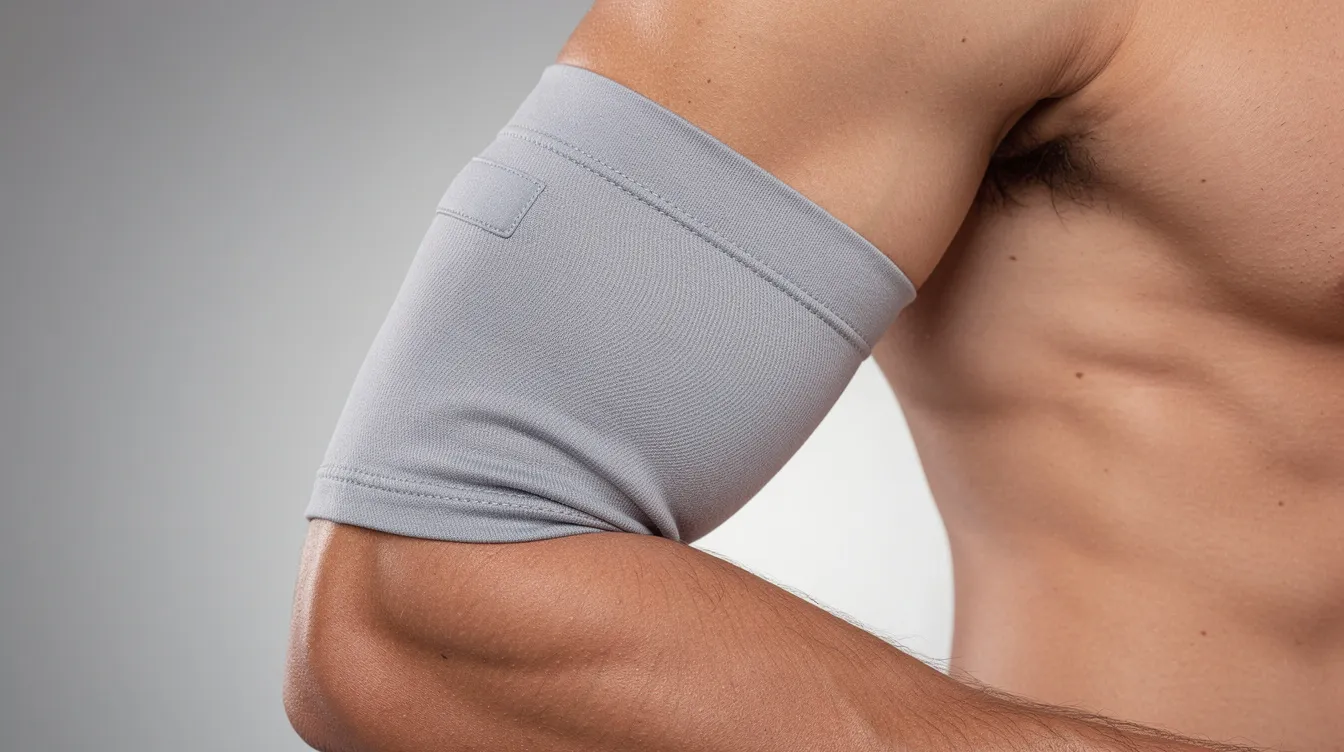
Compression bandages or compression sleeves to reduce swelling and support tissue contouring
Surgical dressings over the incision sites
Drainage tubes, if your surgeon anticipates significant fluid collection
Compression garments minimize swelling and promote healing, and you should expect to wear them continuously for the first few weeks.
Arm Lift Recovery Timeline
Immediate Post-Op After Arm Lift Procedure (0–48 Hours)
This is when discomfort is at its peak. Post-surgical discomfort typically peaks within the first few days, and soreness peaks in the first few days after an arm lift procedure and improves over time. Swelling often peaks within 36 to 48 hours after arm lift surgery.
Your pain medication schedule will likely include a combination of prescription analgesics, acetaminophen, and possibly NSAIDs. Take prescribed medications on schedule rather than waiting for pain to become severe.
Key instructions for the first 48 hours:
Elevate arms above heart level to promote fluid drainage
Rest is crucial for recovery after arm lift surgery-keep activity minimal
Routine daily tasks may require assistance for the first few days post-surgery
Monitor drain output if tubes are present, noting color and volume
Keep incisions clean and dry
Gentle movement such as walking is encouraged to promote circulation and reduce the risk of blood clots, even during this early stage.
Weeks One To Two After Arm Lift Procedure
Moderate soreness and swelling are expected during the first week post-surgery, but both should steadily improve. Swelling typically subsides significantly after seven days post-surgery, though residual puffiness lingers.
Wound care becomes a central focus. Incision care requires keeping them clean and dry. Your surgeon may allow gentle showering around day 5. Sutures are typically removed after 10 days, and stitches and drains are usually removed within 1 to 2 weeks after surgery.
During this period:
Avoid lifting arms above your head for three to four weeks
Avoid heavy lifting for at least two weeks post-surgery
Avoid heavy lifting for the first few weeks to prevent complications
Attend follow-up appointments to monitor recovery progress-your first follow up appointment is usually scheduled around week one
Initial healing after arm lift surgery takes about 2 to 3 weeks
Sleep with your arms slightly elevated on pillows to reduce tension on the incision lines. Follow post-operative instructions for optimal healing.
Weeks Three To Six Of Lift Recovery
Returning to light activities usually occurs around 2 to 3 weeks post-surgery. You can gradually reintroduce light household tasks and daily tasks that don't involve overhead reaching or straining.
However, heavy lifting remains off-limits until your surgeon clears you, typically around six weeks. Swelling and bruising can last up to six weeks, and swelling and bruising may last up to six weeks post-surgery, so don't judge your final shape during this window.
Scar protection is essential starting now:
Apply broad-spectrum sunscreen to any exposed scars
Limit direct sun exposure, which can cause permanent darkening
Begin silicone sheets or gel application if your surgeon recommends it
Transition from stronger pain medication to over-the-counter options as discomfort decreases
Long-Term Recovery And Scar Maturation After Arm Lift
Scars from brachioplasty first appear pink, raised, and firm. Over the following months, they flatten, lighten, and soften. Scars take time to mature and can continue to fade for up to 2 years after surgery. Full arm mobility typically returns by 2 to 3 months after surgery.
Ongoing scar treatment options include:
Silicone gel sheets or topical silicone creams
Gentle scar massage starting a few weeks post-surgery
Laser therapy (pulsed dye or fractional) for persistent redness
Steroid injections for hypertrophic or raised scars
Strict UV protection year-round
A yearly cosmetic follow-up helps your surgeon track scar progress and determine if any revision treatment is warranted.

Managing Pain, Swelling, And Scars After Plastic Surgery
Swelling control starts immediately and continues for weeks. Apply ice for 15 to 20 minutes at a time during the first 48 to 72 hours to reduce swelling and bruising. Wear compression sleeves to minimize swelling after surgery, and keep arms elevated whenever resting.
For pain management, your surgeon will typically outline a multimodal approach:
Treatment | Timing | Purpose |
|---|---|---|
Prescription analgesics | First 3–7 days | Manage acute pain |
Acetaminophen | Ongoing as needed | Baseline pain relief |
NSAIDs (if approved) | After initial days | Reduce inflammation |
Cold compresses | First 48–72 hours | Reduce swelling |
Compression garments | 4–6 weeks | Support healing tissue |
Hydration and low sodium intake are recommended to minimize fluid retention post-surgery. Limit salt intake to help reduce swelling during recovery. Avoiding heat and strenuous movements can also help reduce swelling during recovery.
For scar management, silicone-based products are the gold standard. Evidence supports silicone sheets and gels for reducing hypertrophic scar formation when applied consistently after the incision has fully closed.
Activity, Exercise, And Returning To Work With Bat Wings Correction
Return-to-work timing depends heavily on your job:
Desk or sedentary work: 10 to 14 days
Light physical work: 3 to 4 weeks
Heavy manual labor or overhead tasks: 6 to 8 weeks minimum
Patients should avoid strenuous activities for a minimum of 4 to 6 weeks after surgery. Upper-body exercise-bicep curls, tricep extensions, push-ups, weight training-should not resume until your surgeon explicitly clears you, usually after six weeks at the earliest.
A gradual strength progression works best:
Weeks 1–3: Walking only; no arm exercise
Weeks 4–6: Light stretching, gentle range-of-motion work
Weeks 6–8: Introduce light resistance training
Weeks 8+: Gradually increase weight and intensity
Special Considerations For Massive Weight Loss Patients
Patients who have lost a large amount of weight often present with excess skin and fat that extends well beyond the arm into the lateral chest wall. In these cases, staged procedures may be necessary-addressing the arms first, then the torso or other areas in a separate operation.
Combined liposuction during brachioplasty can reduce tissue bulk and decrease closure tension. Research suggests that concurrent upper-arm liposuction does not significantly increase complication risk in experienced hands.
Realistic expectations are critical. The extra skin removal will leave long scars that may remain visible. Sensory changes-numbness or tingling along the inner arm-are possible due to proximity of the medial brachial cutaneous nerve. Weight fluctuations after the procedure can cause loose skin to return, undermining your results.
Complications And When To Contact Your Plastic Surgeon
While major complication rates for brachioplasty alone are relatively low (approximately 1.3%), knowing the warning signs lets you act quickly.
Contact your surgeon immediately if you notice:
Infection red flags: Increasing redness, warmth, pus or foul-smelling discharge, or fever. Significant pain or fever may indicate an infection or complication.
Wound separation: Edges of the incision pulling apart, especially under tension areas
Uncontrolled bleeding: Expanding bruising, soaking through dressings, or rapidly filling drains
Worsening symptoms: Signs of complications after surgery may include worsening pain or increasing redness rather than gradual improvement
Persistent numbness: Sensation changes that worsen instead of improve over weeks
Don't wait to see if symptoms resolve on their own. Early intervention is always the safer choice.
Maintaining Results With A Healthy Lifestyle After Arm Lift
Your arm lift results are only as durable as your commitment to a healthy lifestyle afterward.
Weight maintenance: Even moderate weight gain can stretch your newly contoured skin and compromise your results. Keep your body weight stable.
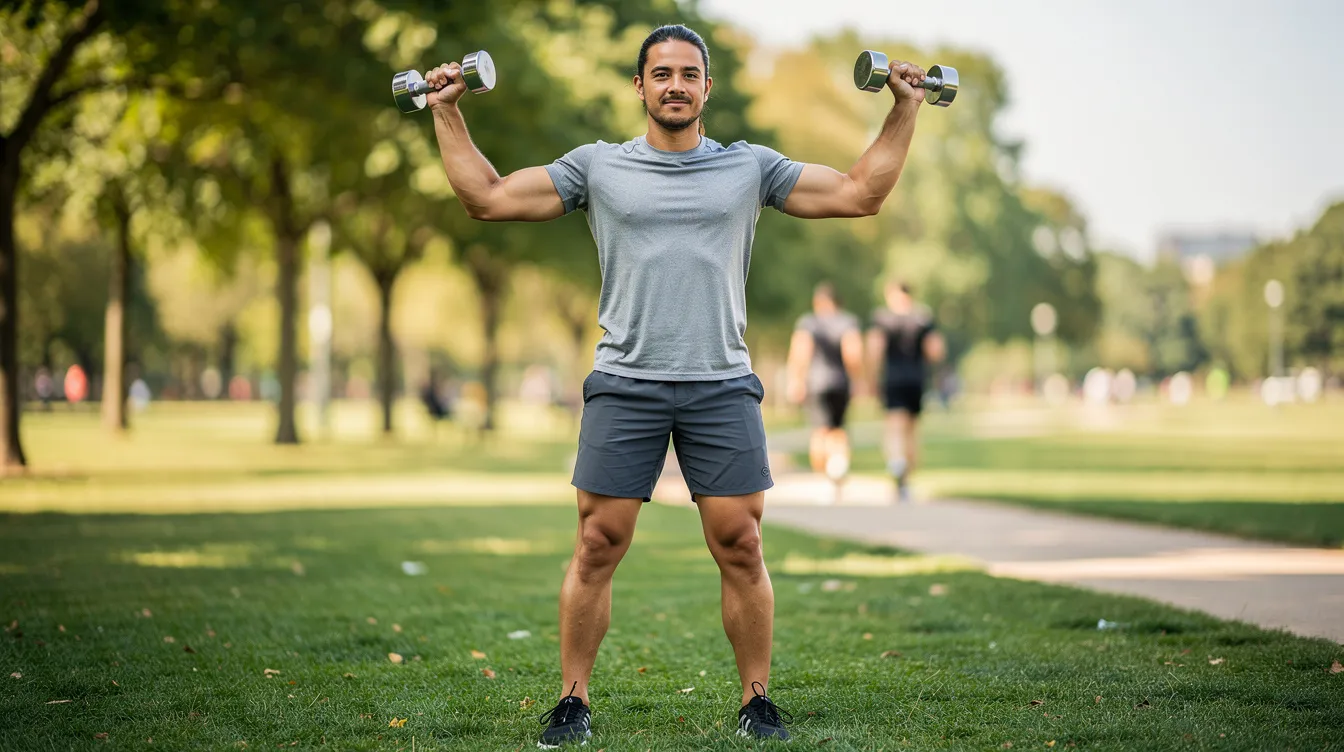
Regular exercise: Consistent resistance training builds muscle tone in the biceps and triceps, providing internal support for your arm shape. Cardio maintains overall fitness.
Nutrition: Protein-rich diets support skin health and scar maturation. Staying hydrated helps skin elasticity long-term.
Smoking avoidance: Tobacco impairs microvascular circulation, slowing healing and degrading skin quality. This applies long after your recovery time has passed.
Sun protection: UV exposure can darken scars permanently. Make sunscreen a daily habit on exposed arms.
Patient Resources For Arm Lift Recovery
Staying organized with your follow-up schedule helps ensure you're healing on track. A typical appointment cadence looks like:
Timeframe | Purpose |
|---|---|
1 week | Drain removal, wound check |
2–3 weeks | Suture removal, early healing assessment |
6 weeks | Clearance for exercise, scar evaluation |
3 months | Mobility and contour check |
6–12 months | Scar maturation progress |
Annually | Long-term cosmetic follow-up |
Your surgeon's office should provide written postoperative care instructions covering dressing changes, garment schedules, activity restrictions, and contact procedures for emergencies. Ask about downloadable versions you can reference at home.
Before-and-after photo documentation is standard practice. These images help both you and your surgeon track progress over months of scar maturation and are valuable for setting expectations during your initial consultation.
Recovery from this elective surgery is a process measured in months, not days. But with the right preparation, realistic expectations, and a commitment to following your care plan, brachioplasty delivers lasting results that most patients find well worth the investment. Schedule a consultation with a board-certified plastic surgeon to discuss whether an arm lift procedure is the right path for your goals.
Frequently Asked Questions
How long does recovery from arm lift surgery typically take?
Average recovery time ranges from two to six weeks, though full results take longer to appear. Initial healing occurs over approximately 2 to 3 weeks, with gradual return to light activities around weeks 2 to 3 post-surgery.
What should I do immediately after arm lift surgery?
Keep arms elevated above heart level, rest with minimal activity, take pain medication on schedule, monitor drain output if present, and keep incisions clean and dry. Gentle walking is encouraged to promote circulation and reduce blood clot risk.
When can I resume normal activities and exercise after an arm lift?
Light activities typically resume around weeks 2 to 3. Avoid lifting arms above your head for 3 to 4 weeks and avoid heavy lifting for at least the first few weeks. Your surgeon will provide specific guidelines based on your individual healing progress.
What preparation is required before arm lift surgery?
Weight must stabilize for 6 to 12 months before surgery. Smoking cessation is required 4 to 6 weeks prior. Medical clearance should address nutritional labs, medication review, comorbidity screening, and scar history. Arrange transportation home as you cannot drive after anesthesia.
How should I care for my incisions during recovery?
Keep incisions clean and dry. Gentle showering may be permitted around day 5. Sutures are typically removed after 10 days, and drains are usually removed within 1 to 2 weeks. Sleep with arms slightly elevated on pillows to reduce tension on incision lines.
Learn more: Body Contouring at Leva Medical
-2.jpg?width=2000&height=2000&name=Copy%20of%20YouTube%20Thumbnail%20-%20Life-Changing%20Cosmetic%20Surgery!%20(Document)-2.jpg)


