Stubborn belly fat that refuses to budge despite months of clean eating and consistent workouts is one of the most common frustrations in aesthetic plastic surgery consultations. Abdominal liposuction offers a way to sculpt the midsection by targeting those resistant fatty deposits, but it comes with important nuances that every candidate should understand before booking a procedure.
This guide covers everything from candidacy and surgical techniques to recovery timelines, costs, and long-term maintenance.
What Is Abdominal Liposuction Surgery?
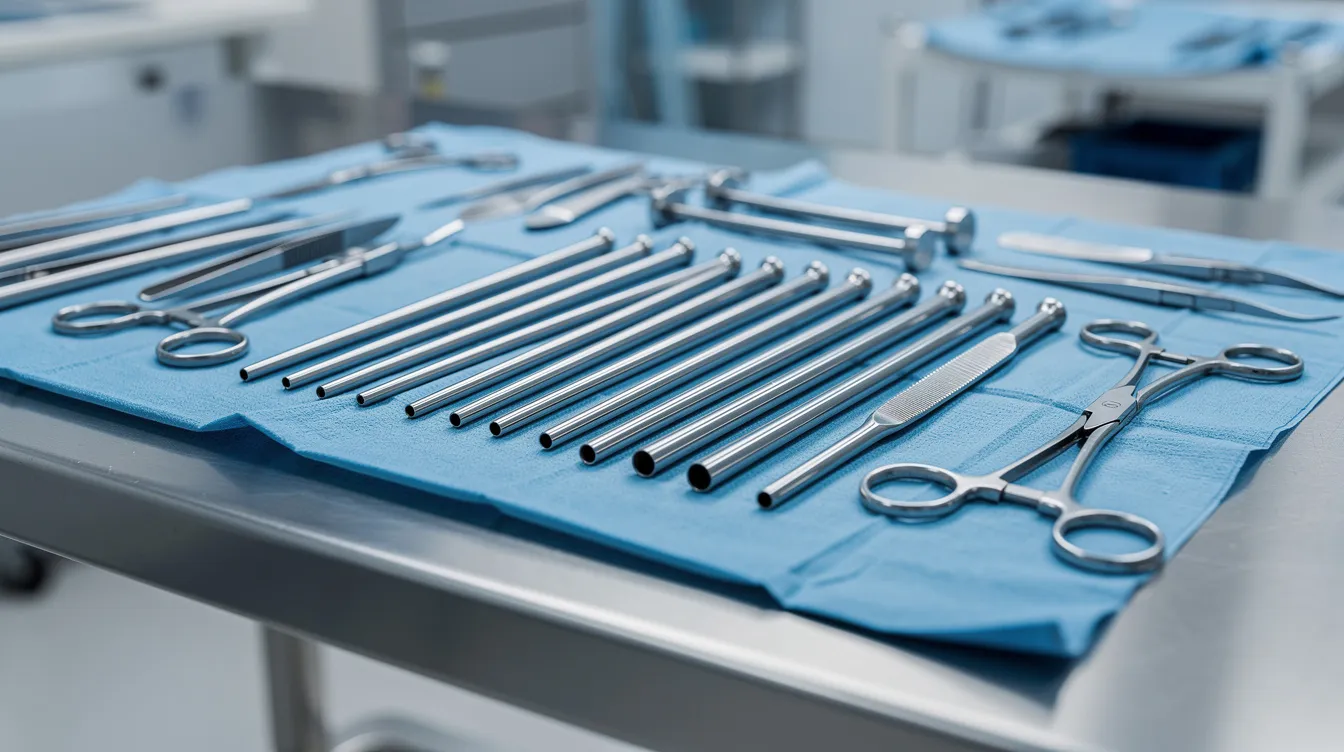
Abdominal liposuction is a cosmetic surgery procedure that removes unwanted fat deposits from the midsection through small incisions and a thin, hollow tube called a cannula. A vacuum device connected to the cannula suctions out fatty tissue, reshaping the contour of the upper and lower abdomen.
The critical distinction here is purpose. Liposuction is a shape change procedure, not a weight loss solution. It is designed to remove excess fat that resists diet and exercise, improving proportions rather than reducing the number on the scale. Think of it as fine-tuning your silhouette, not shrinking your frame.
Abdominal Fat and Body Contouring
Not all abdominal fat is the same, and understanding the difference matters for setting realistic expectations.
Subcutaneous fat sits just beneath the skin. This is the pinchable layer that liposuction can target.
Visceral fat surrounds internal organs deep within the abdominal cavity. Liposuction cannot address visceral fat.
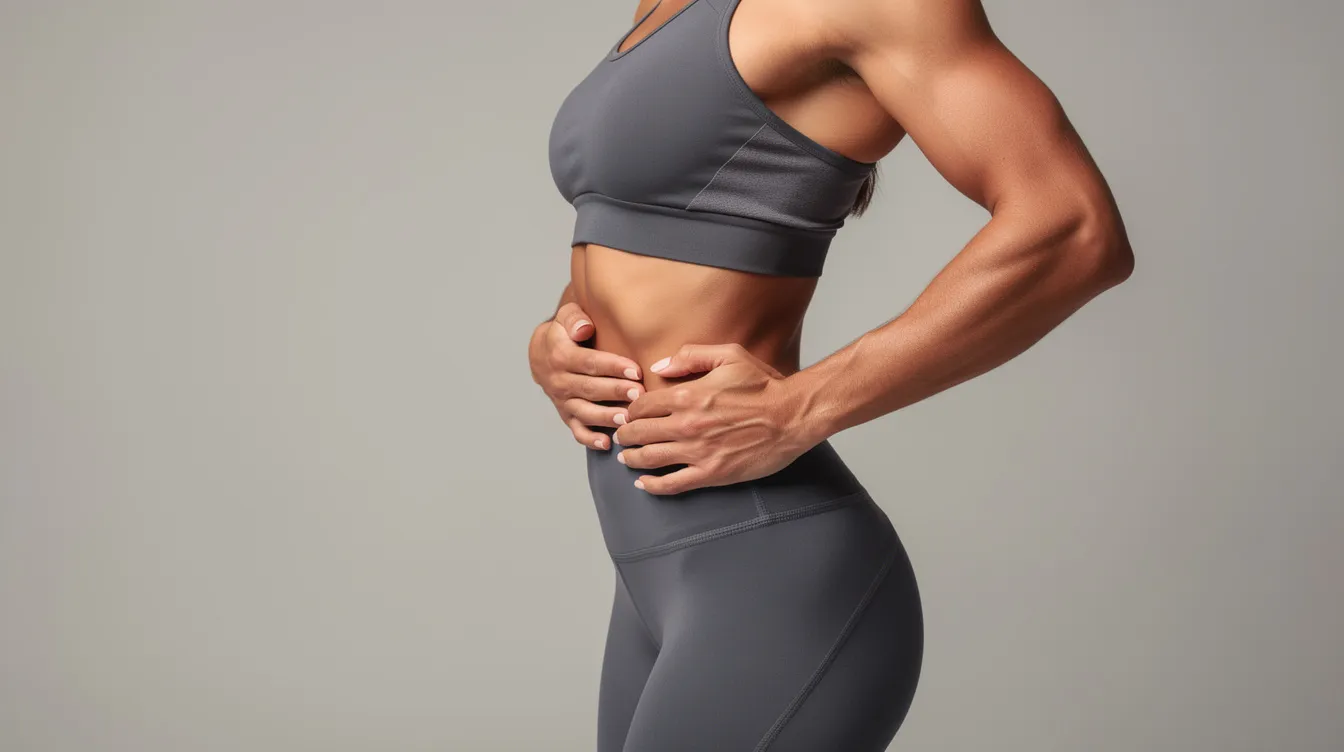
Abdominal liposuction targets superficial fat above the abdominal wall. It can reduce fatty bulges on the lower belly, smooth out love handles, and improve overall body contouring of the midsection. However, it will not tighten loose skin, repair separated abdominal muscles, or eliminate the metabolic risks associated with visceral fat.
Realistic contouring goals focus on proportion and shape. Patients who understand that this is about removing unwanted fat rather than achieving dramatic weight loss tend to report the highest satisfaction.
Can Abdominal Liposuction Help You Lose Weight?
In short, no. Abdominal liposuction is not a weight loss procedure or a weight loss method. Patients should approach their goal weight before considering surgery. The procedure works best when you are already at a stable weight but dealing with localized adipose tissue that will not respond to conventional efforts.
While removing excess fat cells does reduce total body fat slightly, the change is typically modest. Fat reduction in the treated area can be long-lasting, but metabolic markers like blood sugar and blood pressure do not always improve. Liposuction is not a treatment for obesity.
Long-term results depend on maintaining a healthy lifestyle. Regular diet and exercise, consistent sleep, and avoiding significant weight fluctuations all help preserve the sculpted contour.
Who Is a Candidate for Abdominal Liposuction?
Ideal candidates share several characteristics:
Generally good health. No uncontrolled chronic conditions such as diabetes or heart disease.
Excess superficial fat. Localized deposits in the abdomen that persist despite lifestyle efforts.
Good skin elasticity. Skin that can retract and conform to the new body shape after fat removal.
Stable weight. Maintaining a consistent weight for at least three to six months before surgery.
Non-smokers. Smoking impairs circulation and contributes to poor wound healing.
Loose skin may not automatically disqualify you if your expectations are clear. However, candidates who have experienced significant weight loss or pregnancy often have both excess skin and muscle separation that liposuction alone cannot fix. In those cases, an abdominoplasty may be the better path.
Skin type, age, and fat distribution all influence outcomes. A consultation is the only way to determine your specific candidacy.
Consultation and Preparation for Cosmetic Surgery
During the initial consultation, your surgeon will conduct a thorough review of your medical history, including chronic conditions, prior surgeries, allergies, and current medications. Expect a physical examination assessing fat distribution, skin quality, and muscle tone. Treatment areas are typically marked while you stand upright, and photographs are taken for surgical planning.
Preparation steps typically include:
Stopping blood thinners, aspirin, and NSAIDs several days before surgery
Reviewing herbal supplements that may increase blood loss
Smoking cessation at least four to six weeks prior to the procedure
Discussing anesthesia options and facility accreditation
Abdominal Liposuction Procedure and Assisted Liposuction
The liposuction procedure begins with infiltrating the treatment area with tumescent fluid, a solution of saline, lidocaine for local anesthesia, and epinephrine to constrict blood vessels and minimize bleeding. This tumescent liposuction approach makes fat easier to extract and reduces intraoperative pain.
Once the area is prepared, the surgeon inserts a cannula through small incisions and uses suction to remove fat deposits. The entire procedure is commonly performed in outpatient settings, meaning most patients go home the same day.
Common liposuction techniques include suction-assisted and ultrasound-assisted methods. Here is how the main approaches compare:
Technique | How It Works | Key Advantage |
|---|---|---|
Suction-assisted liposuction (SAL) | Traditional liposuction using manual cannula movement and vacuum | Well-established, widely available |
Power-assisted liposuction (PAL) | Cannula vibrates mechanically to break up fat | Enhances fat removal efficiency, reduces surgeon fatigue |
Laser-assisted liposuction (LAL) | Laser fiber disrupts fat cells before suction | Promotes fat dissolution and skin contraction |
Ultrasound-assisted liposuction (UAL/VASER) | Ultrasound energy emulsifies fat cells before removal | VASER liposuction uses ultrasound to emulsify fat cells for smoother extraction |
Your surgeon may also use the SAFELipo technique, a three-step approach designed to prevent contour irregularities, particularly useful in revision cases.
Anesthesia for Abdominal Liposuction
Abdominal liposuction can be performed under local anesthesia. The tumescent fluid delivers lidocaine directly into the treatment area, numbing the tissue while epinephrine helps limit bleeding. You remain comfortable during the procedure, and because local anesthesia is used, many patients find the experience easier and go home the same day.
Your medical history, the size of the treatment area, and the amount of fat to be removed are reviewed during your consultation so the plan fits your needs.
Monitoring throughout the entire procedure includes vital signs, fluid balance, and comfort level.
Loose Skin, Muscle Separation, or Tummy Tuck?
Liposuction removes fat. It does not tighten skin or repair muscle. If you have significant excess skin or diastasis recti (separated abdominal muscles), liposuction alone may leave you with a deflated appearance rather than the toned look you want.
A tummy tuck, or abdominoplasty, is a separate procedure that can remove excess skin and tighten abdominal muscles. A tummy tuck is recommended for significant skin laxity, especially after pregnancy or massive weight loss. Some patients benefit from combining both procedures.
For mild laxity, skin tightening options such as radiofrequency or laser treatments can be applied during or after liposuction. Results are generally modest compared to a full abdominoplasty, but they can improve muscle definition visibility and overall contour when skin quality is borderline.
Risks and Safety Considerations
Like any surgery, abdominal liposuction carries risks. Common side effects of liposuction include swelling, bruising, and temporary numbness. These are expected and typically resolve within a few weeks.
Other possible complications include:
Contour irregularities (waviness or rippling)
Seromas (fluid accumulation under the skin)
Pigmentation changes
Infection
Anesthesia-related risks including allergic reactions
Rare but serious complications can include internal organ puncture, fat embolism, and lidocaine toxicity. Risk factors for complications include high BMI, smoking, aspirate volumes exceeding five liters, and combined abdominal procedures.
Careful planning and following your pre- and post-operative instructions help reduce these risks. Always discuss your individual medical concerns, including any history of blood pressure issues or skin sensation abnormalities, during your consultation.
Recovery After Liposuction Surgery
The recovery process from liposuction can last several weeks with varying stages of swelling and soreness. Here is a general timeline:
Days 1–3: Swelling and bruising are common in the first week. Mild discomfort, soreness, and some drainage from incision sites are normal. Discomfort peaks around midday after surgery. Pain management typically involves prescribed pain medication and may include over-the-counter options as directed.
Week 1: Many patients return to desk-based work within about three days, though some prefer a few more days off after larger procedures.
Weeks 2–4: Gradual improvement. Light activity like walking is encouraged almost immediately, but strenuous exercise should wait four to six weeks.
Weeks 4–6+: Swelling continues to diminish. Results become increasingly visible.
Watch for warning signs that require medical attention: severe pain that does not respond to pain medication, fever, unusual redness, breathing difficulties, or excessive bleeding. Contact your surgeon immediately if any of these occur.
Wearing a Compression Garment
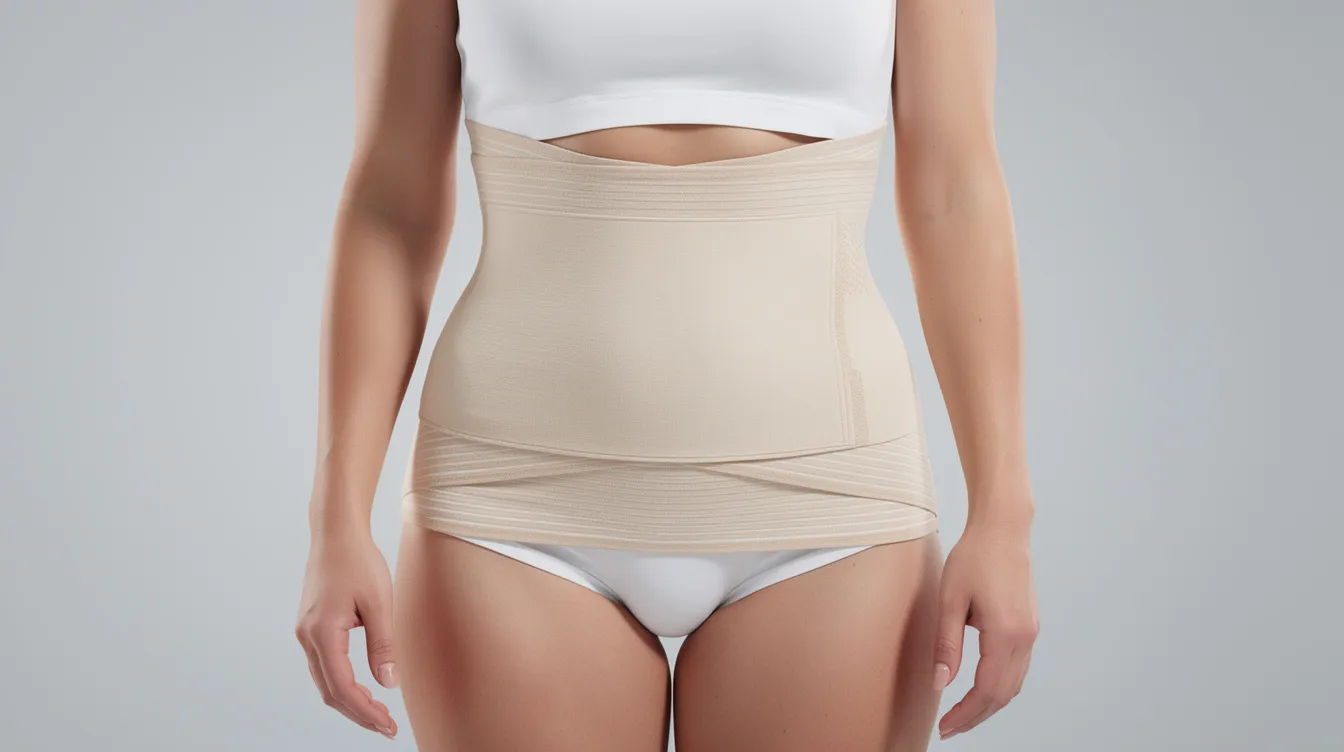
A compression garment plays a key role in the healing process. It helps reduce swelling, lowers the risk of seroma formation, and assists skin in adapting to the new contour.
Compression garments are worn for four weeks post-surgery, typically around the clock with removal only for showering. Some surgeons recommend continued daytime wear for an additional few weeks. The garment should feel snug but not restrictive. Following your surgeon's specific guidance on fit and duration is important for optimal results.
Results and Long-Term Maintenance
Swelling can obscure early results significantly. While you may notice improvements within two to four weeks, final results are typically visible after three months as residual swelling resolves and contours settle.
Results can be long-lasting, provided you keep a stable weight.
However, liposuction removes fat cells from the treated area, which means those specific cells will not return. The remaining fat cells in your body can still store fat and expand if you gain weight. Fat may also redistribute to untreated areas. Age, hormonal shifts, and life events like pregnancy can all affect long-term outcomes.
The takeaway: maintaining stable lifestyle habits through balanced nutrition and regular physical activity is essential for preserving your results.
What to Discuss at Your Consultation
Your consultation is the time to make sure abdominal liposuction matches your goals. Bring a list of questions and an honest description of what you hope to change.
Your goals. Explain which areas bother you most, such as the upper belly, lower belly, or love handles.
Your health history. Share medications, supplements, prior surgeries, and any chronic conditions.
Skin and muscle assessment. Ask whether your skin elasticity and abdominal muscles are suited to liposuction alone or whether a tummy tuck or combined approach may fit better.
Before-and-after photographs. Ask to see results from patients with similar body types and goals.
Recovery plan. Review compression garment use, activity limits, and follow-up visits.
A clear assessment at consultation helps you decide whether liposuction, a tummy tuck, or a combined approach is right for your anatomy.
Abdominal Liposuction Cost
Several factors influence the total cost of abdominal liposuction:
Number of treatment areas. Treating more areas adds time and complexity.
Volume of fat removed. How much fat is removed affects the length of the procedure.
Technique used. Energy-based methods may change the total.
Complexity of the case. Prior surgery or revision work can affect planning.
Our lipo special is $5,000 per area: the stomach, or the lower back and love handles. For both areas, the Lipo 360 special is $9,500.
The exact price is set at the consultation.
Cosmetic procedures are self-pay. Payment options can be reviewed in office after the exact plan and total are known.
We offer financing through Cherry and Alphaeon, subject to credit approval.
We also offer an in-house save-up plan with no credit check.
Frequently Asked Questions
Is abdominal liposuction a weight loss procedure?
No. Abdominal liposuction is a body contouring procedure that removes localized fat deposits to improve shape and proportion. It is not designed for weight loss or as a treatment for obesity. Patients are typically already at a stable weight before considering surgery.
Can liposuction remove visceral fat around the organs?
No. Liposuction targets subcutaneous fat, the pinchable layer just beneath the skin. Visceral fat deep within the abdominal cavity cannot be removed through liposuction, and this distinction matters for setting realistic expectations about the procedure.
Who is generally a good candidate for abdominal liposuction?
Typically, candidates are in generally good health, have localized abdominal fat that persists despite diet and exercise, maintain a stable weight, have good skin elasticity, and do not smoke. A surgeon will assess individual candidacy during a consultation.
Does liposuction tighten loose abdominal skin?
No. Liposuction does not tighten loose skin or repair separated abdominal muscles. Patients with significant excess skin or muscle separation, often after major weight loss or pregnancy, may need a different procedure such as an abdominoplasty.
What preparation is typically required before surgery?
Preparation often includes stopping blood thinners, aspirin, and NSAIDs several days beforehand, reviewing herbal supplements, and quitting smoking at least four to six weeks prior. Surgeons also review medical history and discuss anesthesia options during consultation.
About Leva Medical
Leva Medical has offices in Queens (94-06 59th Ave, Suite E9, Elmhurst, NY 11373) and in Northport, Long Island (320 Laurel Rd, Northport, NY 11768).
Call (718) 699-9737 to book a consultation with a board-certified surgeon.
Learn more: Liposuction at Leva Medical