If you’ve reached the two-week mark after your liposuction surgery and feel underwhelmed by your reflection, you’re not alone. Most patients scroll through dramatic “after” images online and wonder why their own body still looks swollen, lumpy, or even larger than before. The truth is that 2 weeks after liposuction photos capture a recovery in progress—not a finished result. This guide walks you through exactly what to expect, how to document your healing properly, and why patience matters more than pixels right now.
Learn more: Body Contouring at Leva Medical
Key Takeaways
At two weeks post-op, most patients are still experiencing significant swelling and bruising that can make treated areas appear puffy or even larger than before the liposuction procedure
Your 2-week liposuction photos serve as progress documentation, not a measure of surgical success—final results typically take 3 to 6 months to fully materialize
Firmness, lumpiness, and mild unevenness around incision sites are completely normal at this stage and usually improve over several weeks
Wearing compression garments consistently, maintaining light movement, and following a healthy diet directly influence how your body looks in week-by-week comparison photos
Avoid comparing your 2-week images to polished “after” shots online, which are almost always taken at 3-12 months post-surgery
What 2 Weeks After Liposuction Really Looks Like (Answering Your Main Question Fast)
At exactly 14 days post-op, your body is still deep in the healing process. Patients usually begin noticing early hints of their new contour around two weeks after liposuction, despite persistent swelling. However, what you see in the mirror—and especially in photos—won’t reflect the fat removal that occurred.
Typical appearance in 2 weeks after liposuction photos includes:
Lingering swelling and fluid retention in treated areas like the lower abdomen, flanks, lateral thighs, or arms
Yellow-green fading bruises transitioning from the deep purple-blue of week one
A slightly boxy or bulky body shape around the waist, hips, or target area
Mild asymmetry visible in side-profile angles
Around 1 to 2 weeks after liposuction, patients will still experience noticeable swelling, though any bruising should be showing improvement by this point. Many patients feel about 60-80% better compared to the first week, but the camera still picks up swelling that may not be as obvious in the mirror.
Your incision sites are usually small pink or red dots (often 2-4 mm), sometimes with minor scabs or residual surgical glue. Early internal firmness from fibrosis can make contours look less smooth in side-view photos—this is part of normal tissue remodeling, not a sign of problems.
Typical Symptoms and Body Changes at the 2-Week Mark
Two weeks post-liposuction is a significant turning point, where acute discomfort typically shifts to more manageable tenderness. You’re transitioning out of the roughest recovery period, but internal healing is still actively happening beneath the surface.
Common physical sensations at this stage:
Symptom | What It Feels Like |
|---|---|
Mild soreness | Discomfort when twisting, bending, or stretching |
Skin tightness | Treated areas feel firm and slightly restricted |
Nerve “zingers” | Intermittent sharp sensations as nerves reawaken |
Itching | Irritation under compression garments from healing |
Patients may notice an increase in size due to swelling and fluid retention immediately after liposuction, which is a temporary effect. At two weeks post-liposuction, patients may still experience internal firmness and irregularity as internal scar tissue forms. This fluid retention occurs as the body produces fluid to fill the spaces where fat was removed, which can take 3 to 6 months to fully dissipate.
Bruising typically begins to fade around the second week after liposuction, transitioning from deep purple or blue hues to lighter shades before completely disappearing. You may feel “lumpiness” or ridges under the skin—this often appears as mild waviness in high-resolution images but is not a permanent feature.
Most people can return to work at the 1-2 week mark after liposuction, but those with physically demanding jobs may need more time off. This return to normalcy can create unrealistic expectations about how recovery photos should look.
How 2-Week Photos Fit Into the Liposuction Results Week by Week Timeline
Your liposuction recovery timeline spans months, not days. Understanding where the 2-week mark falls helps set proper expectations for your recovery journey.
Week-by-week progression:
First week: Heavy swelling, dramatic bruising, drainage from small incisions, reliance on pain medication, limited mobility
Weeks 2-4: The “early shaping” phase—compression garments worn nearly 24/7, subtle contour improvements begin, desk work resumes
Weeks 5-8: By the fifth week after liposuction, patients may notice a further reduction in swelling and a gradual improvement in body contouring, although some swelling may still persist
Months 3-6: Most patients will see significant results from liposuction after one to three months of recovery, although final results may take up to six months to fully materialize
Most patients don’t see their “wow” transformation until around 8-12 weeks. Your 2-week photos should look noticeably better than first-week snapshots, but they’re still “in-progress” documentation.
Keep a consistent photo schedule: pre-op, day 3, 1 week, 2 weeks, 1 month, 3 months, and 6 months. This creates a visual record showing gradual evolution rather than relying on memory.
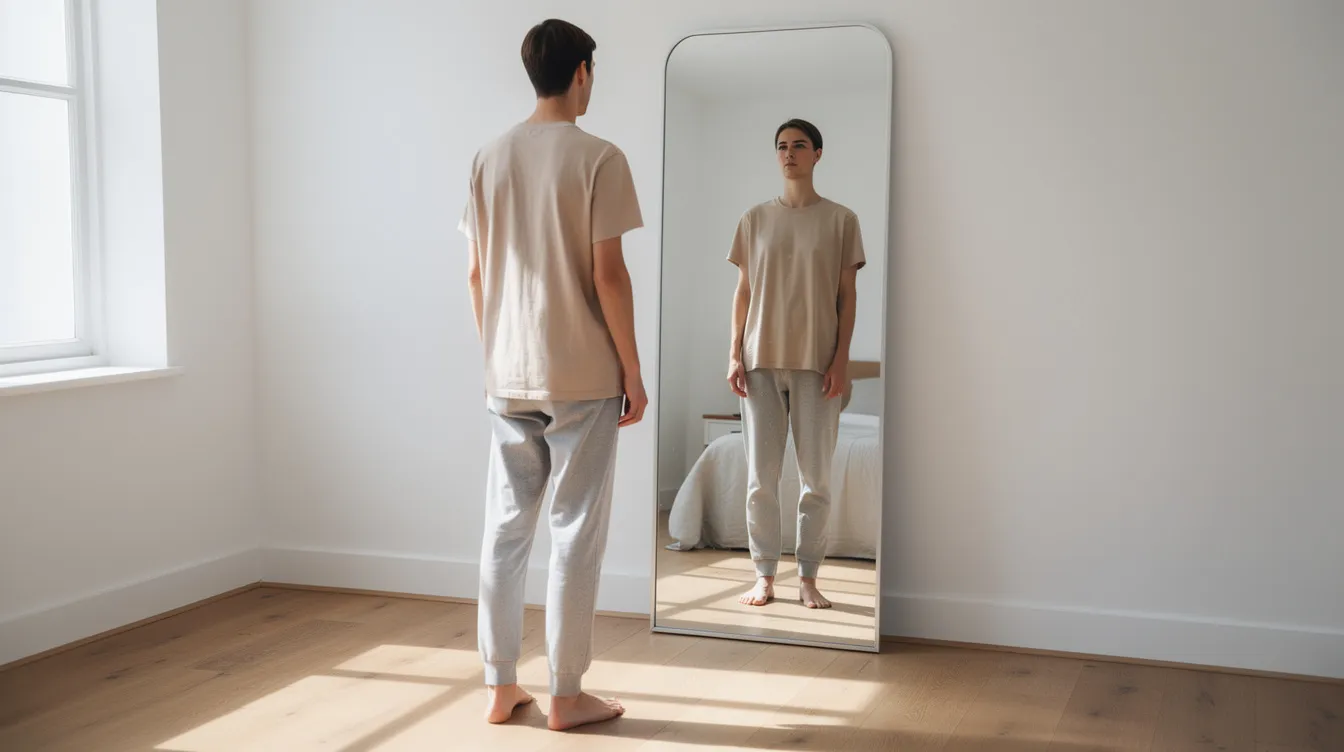
How to Take Useful 2 Weeks After Liposuction Photos
Properly taken photos help you and your plastic surgery team evaluate healing objectively. Consistency matters more than camera quality.
Photo guidelines:
Use the same lighting, camera distance, and background as your pre-op images
Capture standard views: front, back, left profile, right profile, and two ¾-angle shots
Wear the same snug clothing (sports bra and fitted shorts) or underwear for body lines visibility
Take both “with compression garment” and “without compression garment” photos
Stand in the same spot each time—mark it with tape if needed
This surgical procedure produces gradual changes. Matching conditions in each photo set makes the differences in body contours easier to spot over time.
Incision Sites and Scars at Two Weeks
Many patients zoom in on incision sites in their 2-week liposuction photos, worried they look too prominent. Here’s what’s actually normal.
Incision sites may still be visible and are often covered by dissolving surgical glue or minor scabbing two weeks after surgery. Typical appearance includes:
Small pink or red dots (2-4 mm) near the bikini line, belly button, or natural creases
Slight raised texture or mild crusting
Residual tape marks or peeling adhesive
These marks fade significantly by 3-6 months. The thin cannula used during tumescent liposuction, power assisted, or laser assisted procedures creates minimal scarring.
Warning signs requiring surgeon contact:
Spreading redness around incision sites
Thick yellow or foul-smelling drainage
Widening gaps or dehiscence
The Role of Compression Garments in 2-Week Results
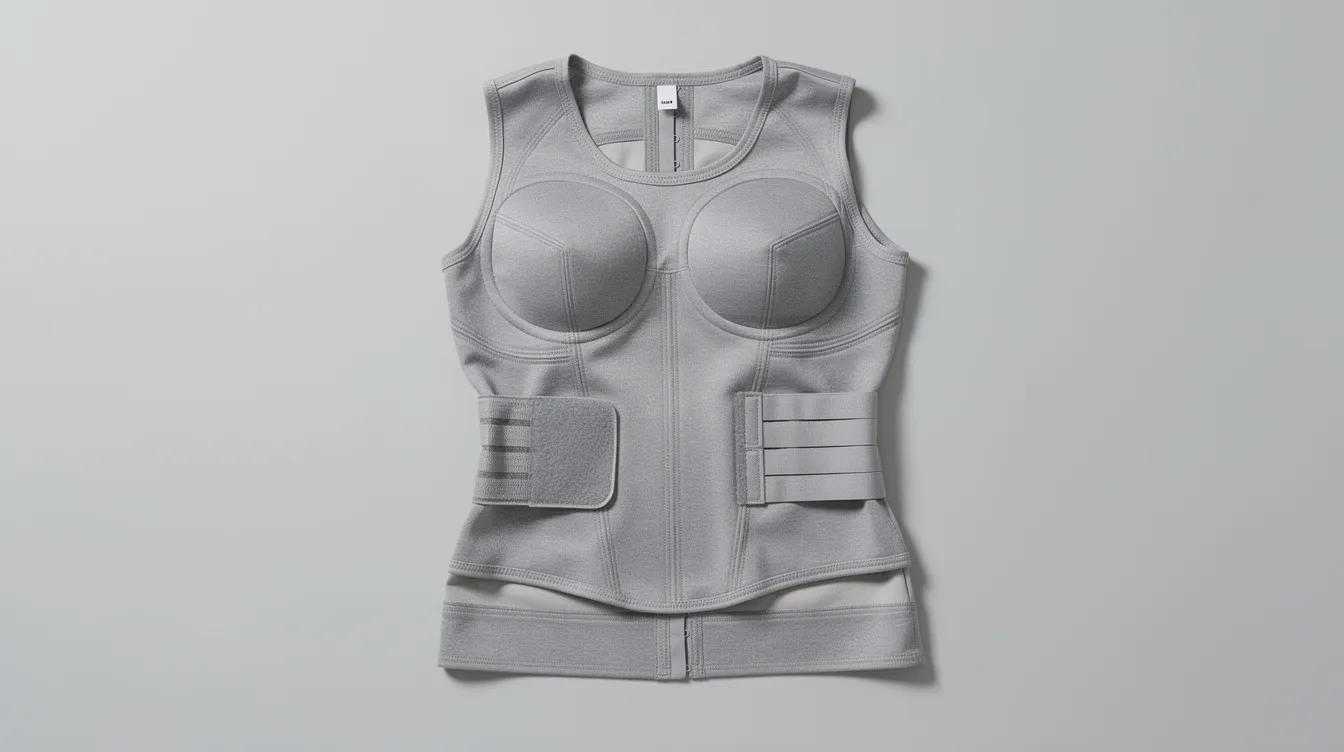
At two weeks, most surgeons still require full-time use of compression garments to control swelling and support developing body contours.
Wearing compression garments after liposuction is crucial as they help reduce swelling and promote skin contraction around the treated areas. Patients who consistently wear their compression garments tend to experience smoother outcomes with fewer visible irregularities compared to those who do not follow garment-use instructions.
How compression affects photos:
With Garment | Without Garment |
|---|---|
Smoother silhouette | Temporary indentations visible |
Reduced visible swelling | True tissue shape revealed |
Supported contours | Some residual swelling and fluid retention apparent |
Compression garments should be worn continuously for several weeks after liposuction, typically only removed for showering, to aid in recovery and improve overall contour results. Proper fit should be snug but not cause numbness, deep lasting marks, or pain in extremities.
How 2-Week Lipo Photos Differ by Treatment Area
Appearance at two weeks varies depending on where your cosmetic surgery focused. The procedure performed in each region produces different visual patterns.
Abdomen and flanks: Photos typically show a flatter midsection compared to pre-op, but with a thick “belt” of swelling around the waistline. A tummy tuck combination produces additional incision lines.
Outer and inner thighs: Common tightness and visible bruising along leg sides. Legs may appear slightly larger due to dependent swelling—this is where gravity pulls residual swelling downward.
Arms: Prominent bruising in 2-week photos. Certain patients remain reluctant to wear sleeveless clothing until around 4-6 weeks when bruising starts to fully resolve.
Neck or chin: Sharper jawline visible even at 14 days, but lingering submental swelling blurs the final neck angle. Initial swelling here typically resolves faster than torso areas.
Liposuction Combined with Brazilian Butt Lift: 2-Week Expectations
360-degree liposuction frequently pairs with a Brazilian butt lift, which changes both appearance and positioning in recovery photos. The fat removed from stubborn fat deposits in the abdomen, flanks, and thighs gets transferred to create fuller buttocks.
Typical 2-week BBL-plus-lipo images show:
Fuller, elevated buttocks with pronounced roundness
Bruising on the lower back, hips, and thighs
Pronounced swelling in liposuctioned donor areas
Patients positioned standing or lying on their side (direct sitting is avoided)
Results often look exaggerated or “too round” at 14 days because transferred fat and surrounding tissues haven’t settled. Fat survival rates range 50-70% long-term, meaning excess fat cells will continue adjusting for months. This weight loss procedure combined with fat transfer requires extended recovery time before photos reflect final outcomes.
Supporting Your 2-Week Results: Recovery Fundamentals
Your lifestyle habits directly impact how you look in post op liposuction photos at two weeks and beyond. Good nutrition accelerates the healing process.
Diet recommendations:
Balanced diet rich in lean protein, fruits, and vegetables
Low-sodium foods to limit water retention
Hydration target: 6-8 glasses of water daily to flush anesthetic fluids and reduce swelling
Activity guidelines:
Light movement multiple times daily to improve circulation
Short walks to reduce clot risk and prevent stiffness
Avoid strenuous workouts until cleared by your surgeon
Avoiding smoking is critical—it impairs blood flow and can delay healing by 4-6 weeks. Alcohol worsens dehydration and swelling. These factors determine when your liposuction results become clear in photos.
Red Flags in 2-Week Photos: When to Call Your Surgeon
Most unusual-looking 2-week liposuction photos still fall within normal limits. However, certain visible changes warrant medical review.
Warning signs in photos:
One side suddenly much larger or redder than the other (asymmetric swelling)
Shiny, over-tight skin in treated areas
Spreading redness around incision sites
Thick yellow or foul-smelling discharge visible in close-ups
Systemic symptoms requiring contact:
Fever over 101°F
Chills or escalating pain
General anesthesia complications persisting beyond expected timeframes
Contact your plastic surgery team promptly if you notice these issues. Don’t wait for a routine follow-up—early intervention prevents complications.
Setting Realistic Expectations for Your Liposuction Results
Feeling impatient when comparing your 2-week photos to dramatic “after” images online is completely normal. Those polished results represent 3-12 months of healing, not two weeks.
Patients may notice visible improvements within a few weeks after liposuction, but the final results typically appear between three to six months as the body continues to heal. Most patients experience noticeable swelling for several weeks following liposuction, and while initial swelling may decrease within the first week, some swelling can persist for months. Swelling is a common occurrence after liposuction, and it can take three to six months for it to completely subside.
The skin’s retraction to a new, slimmer shape may continue for up to a year after liposuction surgery. Factors influencing your recovery period include:
Skin elasticity (better in younger patients, reduced with sun damage)
Age and genetics
Amount of excess fat removed
Adherence to compression and healthy lifestyle instructions
Focus on trends over time—reduced swelling, improving lines, more defined curves—rather than expecting perfection in early images. Bring your 2-week and 1-month photos to follow-up appointments so your surgeon can review progress along your recovery timeline.
FAQ: Common Questions About 2 Weeks After Liposuction Photos
Will my 2-week liposuction photos look worse than my pre-op pictures?
Some patients feel they look larger or more uneven at two weeks because swelling is still masking the fat removal. Two weeks after liposuction, swelling and bruising are typically still present, with the treated area appearing puffy or larger than pre-surgery. This is temporary and not a sign that the procedure “didn’t work.” When you compare images at the 3-month mark, the difference from pre-op becomes clear.
Can I post my 2-week post-op pictures on social media?
You may share photos if you wish, but understand that friends and followers likely don’t know what normal healing looks like at 14 days. Many patients wait until at least 6-8 weeks for “after” photos if concerned about outside opinions or misinterpreting early swelling as poor results. Consider that online reactions could affect your emotional recovery journey.
How often should I take progress photos after my liposuction procedure?
Follow a structured schedule: pre-op, day 3, 1 week, 2 weeks, 1 month, 3 months, and 6 months. Use the same angles, lighting, and clothing in each set for meaningful comparisons. Some clinics request specific photos at these intervals for medical records. This documentation helps track when swelling subsides and body shape emerges.
My 2-week photos show some ripples and dents—is this permanent?
Mild irregularities and waviness are common in early healing due to swelling, internal firmness, and uneven fluid shifts beneath the skin. Most minor surface irregularities smooth out over the first few weeks to months as collagen remodels. If loose skin or persistent dents remain after 3-6 months, discuss options like skin tightening procedures with your surgeon at follow-ups.
Do I need professional photography for my 2-week results?
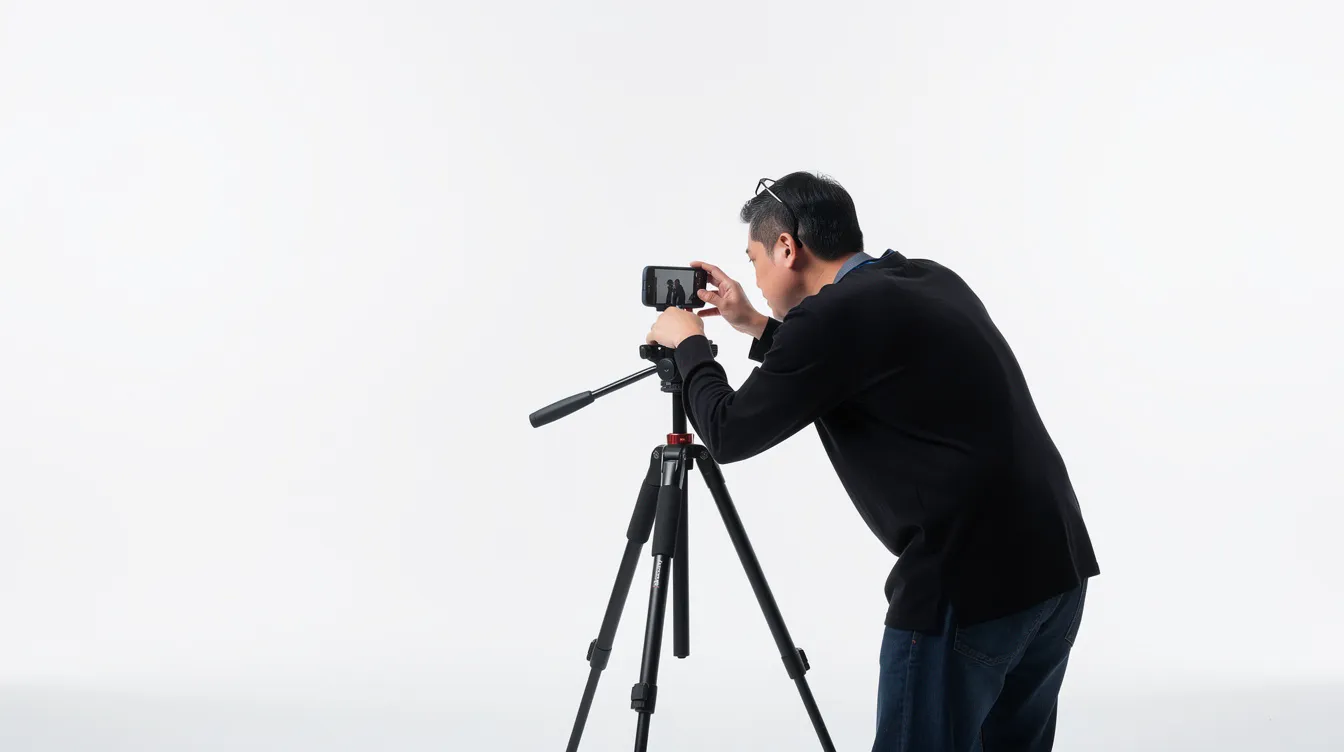
Most patients only need simple, consistent smartphone photos taken in the same location and lighting. Professional before-and-after photography is typically reserved for the 3-6 month mark when results are much closer to final. Save facility fees and focus on documenting your own progress with the basic guidelines outlined above.


-2.jpg?width=2000&height=2000&name=Copy%20of%20YouTube%20Thumbnail%20-%20Life-Changing%20Cosmetic%20Surgery!%20(Document)-2.jpg)


