
<img height="1" width="1" style="display:none" src="https://www.facebook.com/tr?id=588502574185296&amp;ev=PageView&amp;noscript=1">

Queens Northport Staten Island

Face & Neck

Lower Eyelid Surgery (Eye Bag Removal)

Refresh your eyes, remove “bags,” and look rested, not tired, with one precision procedure. We work from inside the lower lid (transconjunctival) with a fine-tip instrument, so there is no visible scar.

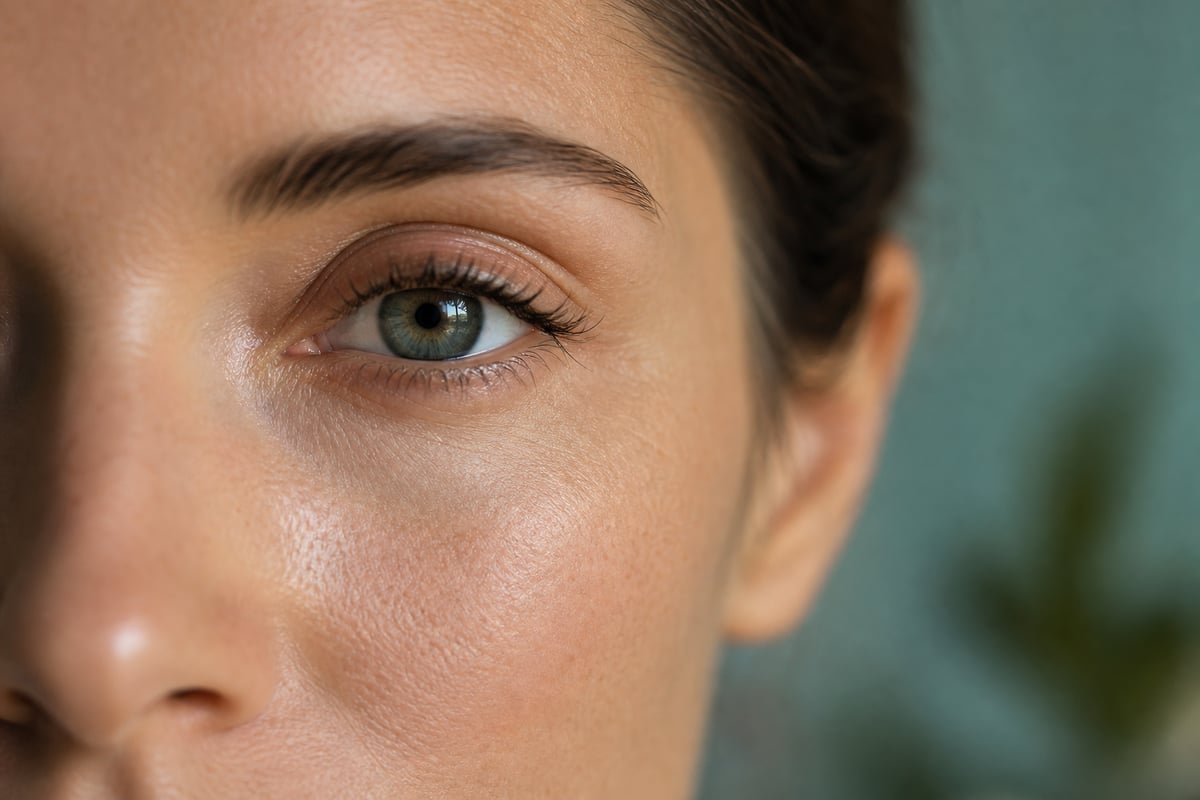
Illustrative image of a close-up of a rested under-eye area beneath an open eye; not a Leva patient
AI-generated illustrative image; not a Leva Medical patient
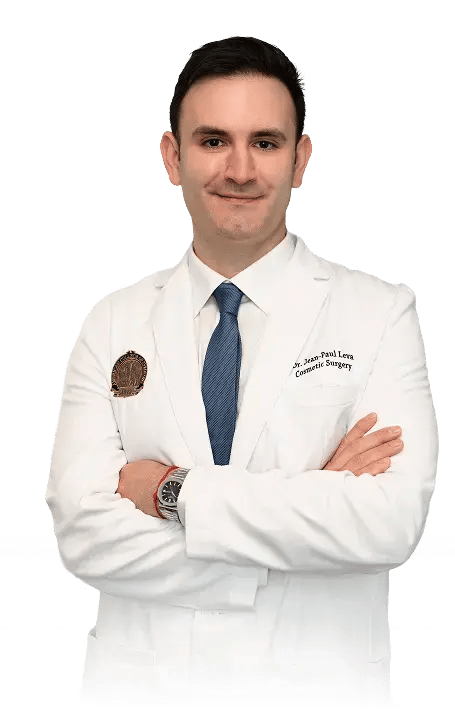
Dr. Jean-Paul Leva
Dr. Jean-Paul Leva Board-Certified Cosmetic & General Surgeon, FACS

Patient results

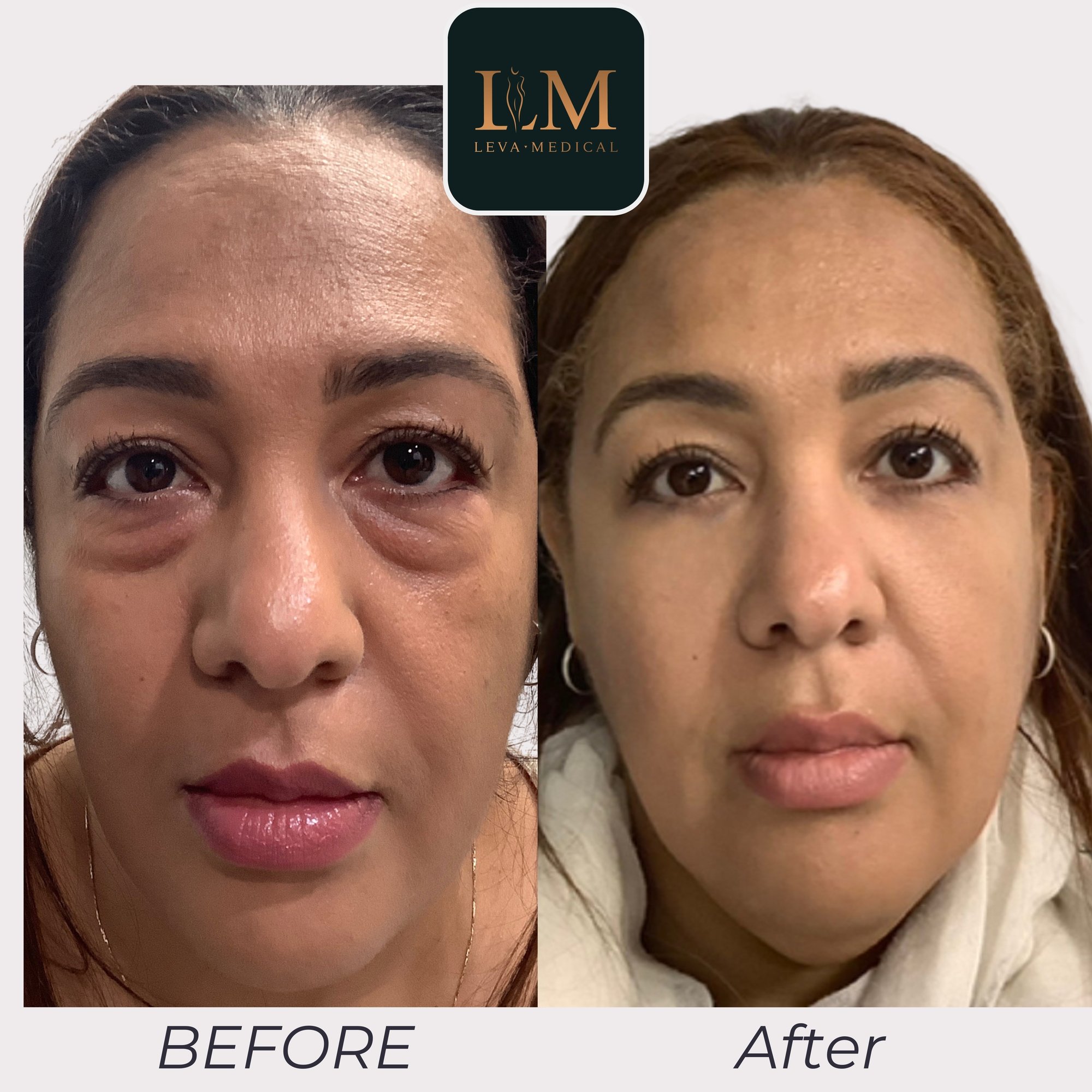
Lower eyelid before & after

Explore before-and-after photos from Leva Medical patients.

Individual results vary. Photos do not guarantee a particular outcome.
Lower Blepharoplasty

What Is Lower Eyelid Rejuvenation (Transconjunctival Lower Blepharoplasty with Fat Grafting)?

Lower blepharoplasty removes or re-positions bulging fat pads from inside the lower lid (transconjunctival approach) and transfers a trace of purified fat, taken through a tiny opening (usually at the belly), to the tear-trough hollows. The result: a smooth lid-cheek junction and brighter, bag-free eyes—with no visible scar on the eyelid.

The surgery typically takes about 1.5 to 2 hours and is performed in our accredited in-office suite.

Ideal for: Adults whose under-eye bags make them look tired or older than they feel, including those who also have a hollow below the bags. Dark circles caused by skin color need different treatments.

Lower Blepharoplasty

Eye bags or hollows?

Bags are small fat pads that push forward under the eye; this surgery removes them. Hollows are lost volume, treated with fat grafting or filler. Many people have both, which is why we usually place a little of your own fat after removing the bags. Not sure which you have? We'll tell you at your consult.

Under-eye fat grafting

Lower Blepharoplasty

How Transconjunctival Lower Blepharoplasty Works: A Closer Look

  1. Prep & anesthesia

    Local anesthesia plus a relaxing medication taken beforehand: you stay comfortable and drowsy, with no breathing tube. If you prefer to be fully asleep, general anesthesia is available at an accredited facility for an added fee.

  2. Core steps

    Through a hidden transconjunctival incision, we remove or re-distribute excess fat, then perform micro-fat grafting to fill tear-trough hollows, using fat taken through a tiny opening, usually at the belly. There is no visible scar on the eyelid.

  3. Duration & immediate care

    About 1.5 to 2 hours. Apply cool compresses, preservative-free tears, and keep head elevated for 48 hrs; no drains or compression garments required.

  4. Long-term healing

    Desk work in 5–7 days, exercise at 2 weeks. Follow-ups at 1 week, 1 month, 6 months, and 1 year—part of our 12-month doctor-guided follow-up program.
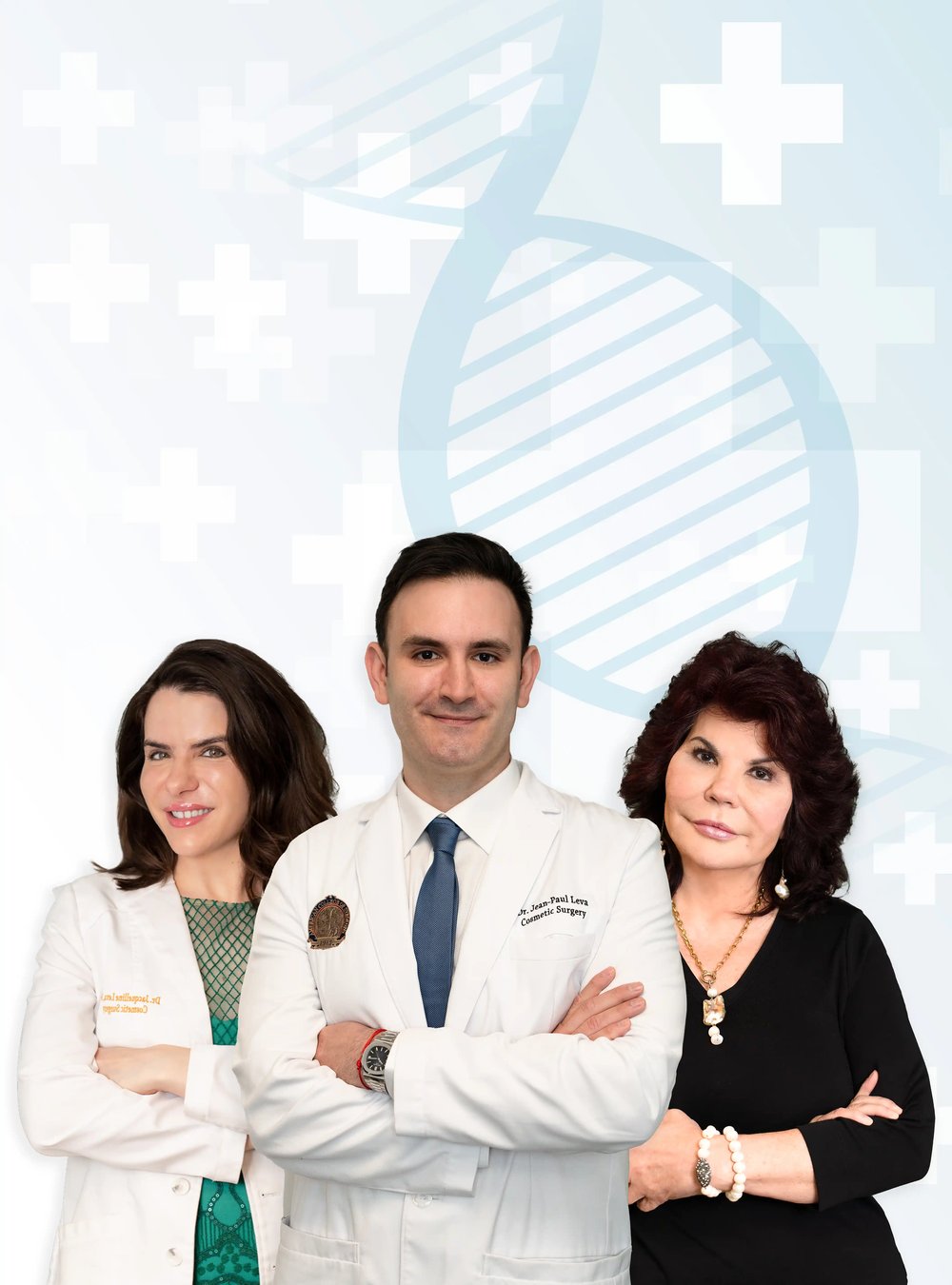
Leva Medical physician group

Physician-led care

Why Leva Medical?

  • Board-certified physicians at every step
    Your surgery is performed by a board-certified surgeon, with non-surgical enhancements managed by our aesthetic specialist.

  • Family-run since 1986
    Warm, transparent care in English or Spanish.

  • Tailored plans & natural-looking results
    We craft a hand-in-glove treatment that fits your unique anatomy—never a one-size-fits-all template.

  • 12-month doctor-guided follow-up
    Complimentary visits keep healing on track.

  • Transparent, easy-to-understand pricing
    Clear quotes upfront with zero surprise fees.

Lower Blepharoplasty

Benefits of Lower Eyelid Rejuvenation (Transconjunctival approach + fat grafting—no visible scar on the eyelid)

  1. Bag-free, brighter eye

    Removes the bulging fat pads that cause bags, and a small fat graft can soften the shadow of a hollow.

  2. Seamless lid-cheek contour

    Micro-fat grafting blends the lower lid into the cheek for a youthful, rested appearance.

  3. No visible eyelid scar

    The incision is inside the lower lid. The fat for the graft is taken through a tiny opening, usually at the belly.

  4. Long-lasting refresh

    The fat pads we remove don't grow back, and natural aging continues.

Lower Blepharoplasty

Is This the Right Treatment for Me?

  • Ideal candidate
    Healthy non-smoker (or willing to pause 6 weeks) with realistic goals for natural rejuvenation.
  • Downtime
    Plan one workweek off. Walking is encouraged; don't lift more than 20 lb (9 kg) for 1 week. No baths, ocean or jacuzzi for 1 month. Wait to wear contact lenses until your surgeon clears you at your follow-up visit.
  • Health prerequisites
    Well-controlled dry eye, and no untreated thyroid eye disease.
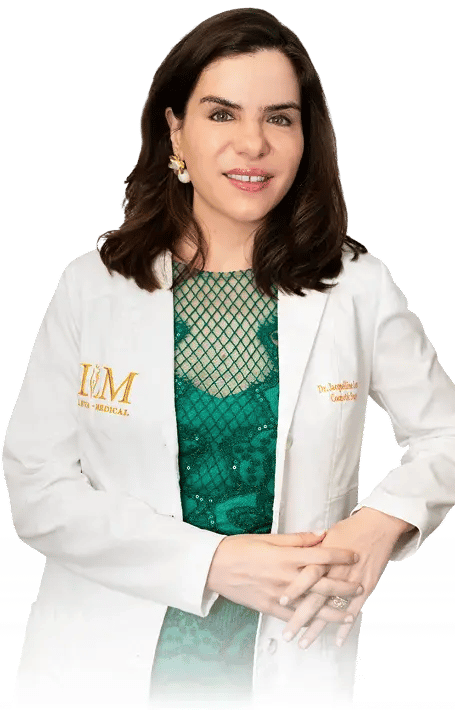
Dr. Jacquelline Leva consulting with a patient

Ready to Book?

Lower Blepharoplasty

FAQs - Lower Blepharoplasty

What’s the starting price?
Lower blepharoplasty with fat grafting starts at $6,500. The price includes local anesthesia, the fat graft and a year of follow-up visits.
Can I combine it with upper-lid surgery?
Yes. Doing both lids in one session saves you a second visit and a second recovery. We give you the combined price at your consultation.
Why add fat grafting, and what are the benefits?
A teaspoon-sized transfer of your own fat, taken through a tiny opening (usually at the belly), replenishes lost volume, can soften the shadow of a hollow tear trough, and blends the lid-cheek junction. Because it’s living tissue, the improvement is natural-looking and long-lasting, often outliving synthetic fillers.
What type of anesthesia is used?
Local anesthesia with a relaxing medication. Most patients are drowsy and comfortable and remember little. If you prefer to be fully asleep, general anesthesia is available at an accredited facility for an added fee.
Will I be awake?
You’ll be drowsy and comfortable rather than fully asleep. Local anesthesia numbs the area and a relaxing medication taken beforehand calms you, with no breathing tube. If you prefer to be fully asleep, general anesthesia is available at an accredited facility for an added fee.
Will I go home the same day?
Absolutely. After about an hour in recovery you’ll head home with a responsible adult and rest with cool compresses
What post-op care will I need?
Cool compresses and head elevation for the first 48 hours, then a warm (not hot) mask from day 3; prescription ointment and preservative-free tears—no drains, massages, or compression garments needed.
Will it hurt?
Discomfort is usually mild; the belly, where the fat is taken, is often more sore than the eyes.
Where are the scars?
The eyelid work is done through a tiny incision inside the lower lid (transconjunctival), so there’s no visible scar on the eyelid. The fat for the graft is taken through a tiny opening, usually at the belly.
When can I wear makeup or contact lenses again?
Eye makeup is usually fine by day 10; contact lenses when your surgeon clears you at your follow-up visit.
How soon can I return to work, driving, and exercise?
Desk work & driving: 5–7 days. Walking is encouraged; don’t lift more than 20 lb (9 kg) for 1 week. Light cardio: 2 weeks. Strenuous workouts: 3–4 weeks. No baths, ocean or jacuzzi for 1 month. Swelling peaks around day 3 and mostly settles over 2–6 weeks.
How long do results last?
Long-lasting: the fat pads we remove don’t grow back, and natural aging continues.
Do eye bags come back?
The fat pads we remove don’t grow back. Your face keeps aging naturally, and some of the grafted fat is absorbed in the first months, which is expected.
Are there alternative or add-on treatments?
Laser skin treatments for fine lines, dermal fillers for residual shadowing, or a brow lift for heavy brows are popular complements.
Can creams, laser skin treatments or filler remove eye bags?
No. Eye bags are small fat pads, and creams, laser skin treatments and filler can’t remove them. Filler can soften a hollow, and laser skin treatments improve skin texture and color, but removing the fat takes surgery.
What if I have dry eyes or eye disease?
We coordinate with your ophthalmologist to ensure conditions like dry-eye syndrome or glaucoma are well-managed before surgery.
Is my vision at risk?
The eyeball itself is not operated on; we work on the fat pads inside the lower lid. As with any surgery there are risks, including swelling, bruising, dryness, infection, bleeding and asymmetry. Serious vision problems, such as bleeding behind the eye, are very rare; we review them and the warning signs with you at your consult.

Start Your Journey

Schedule My Meeting
Dr. Jean-Paul Leva & Dr. Jacquelline Leva Board-Certified Care

Schedule My Meeting

Select your location and doctor to view available times.

Choose a location and doctor to view available times.

Your calendar will appear here

Select a location and doctor above to continue.

You can request a meeting by emailing us at drleva@drleva.com